High-Performance Brake Discs for Enhanced Vehicle Safety

Get a Free Quote

Our representative will contact you soon.
Email
Mobile/WhatsApp
Name
Company Name
Message
0/1000
Brake Disc: Key Component in Vehicle Braking

Brake Disc: Key Component in Vehicle Braking

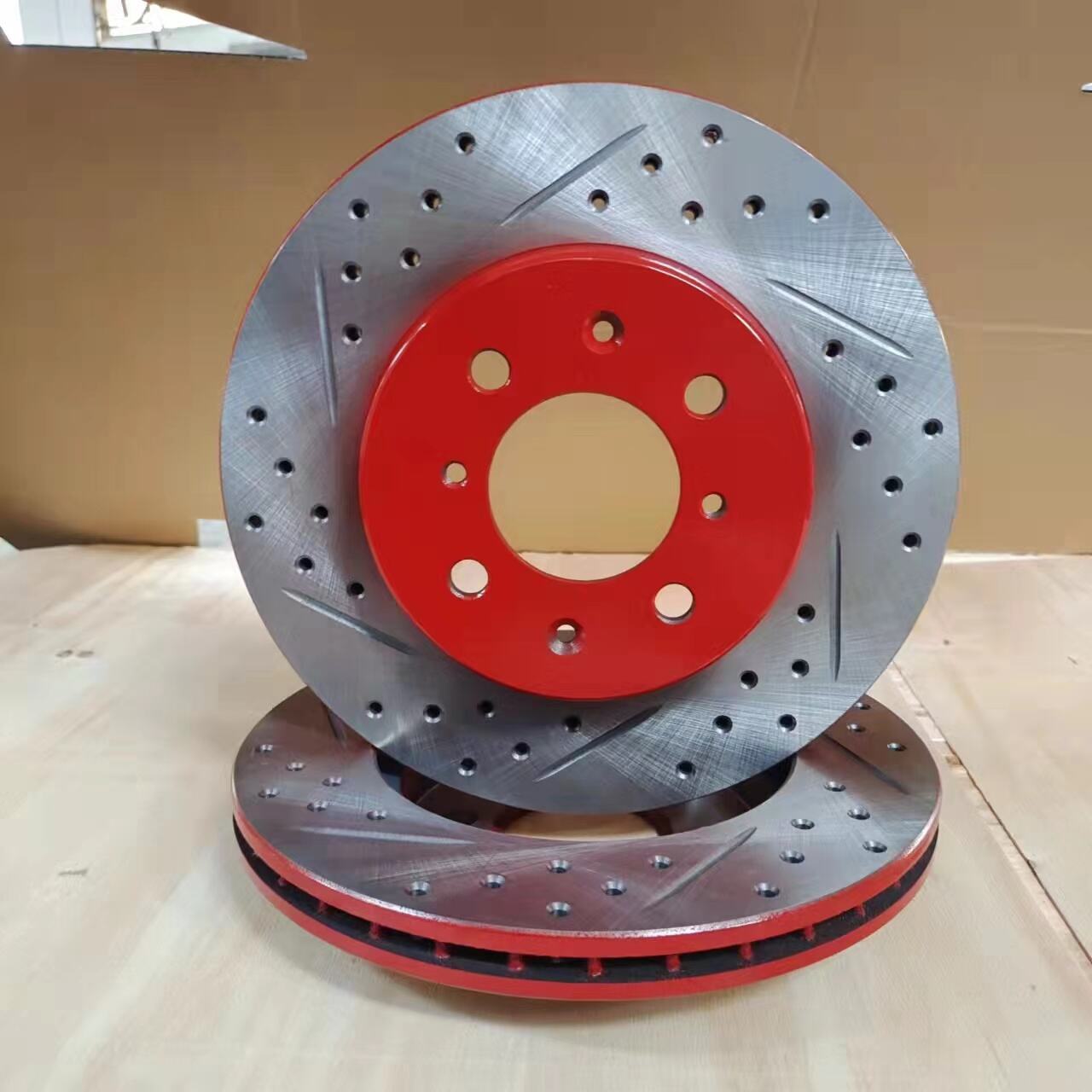
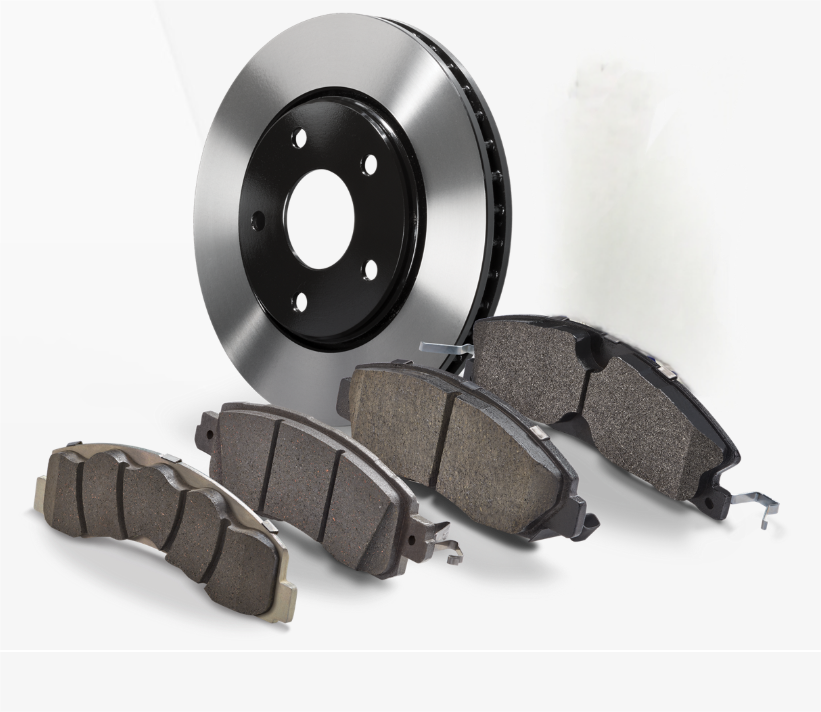
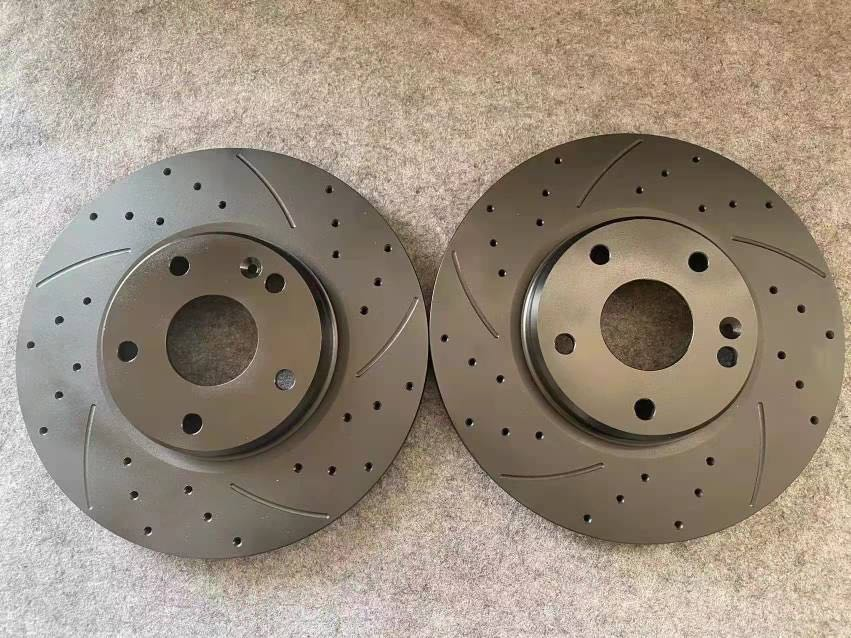
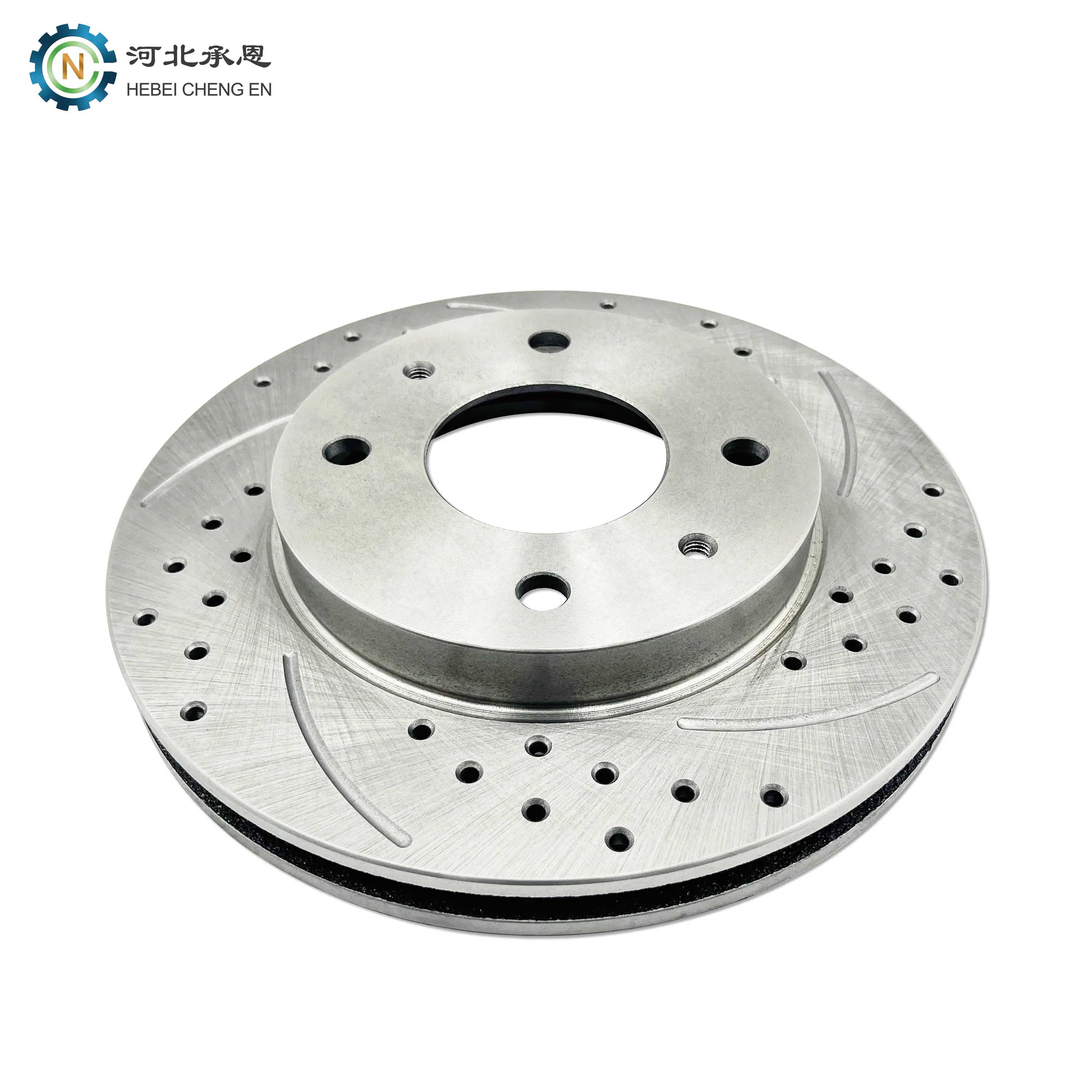
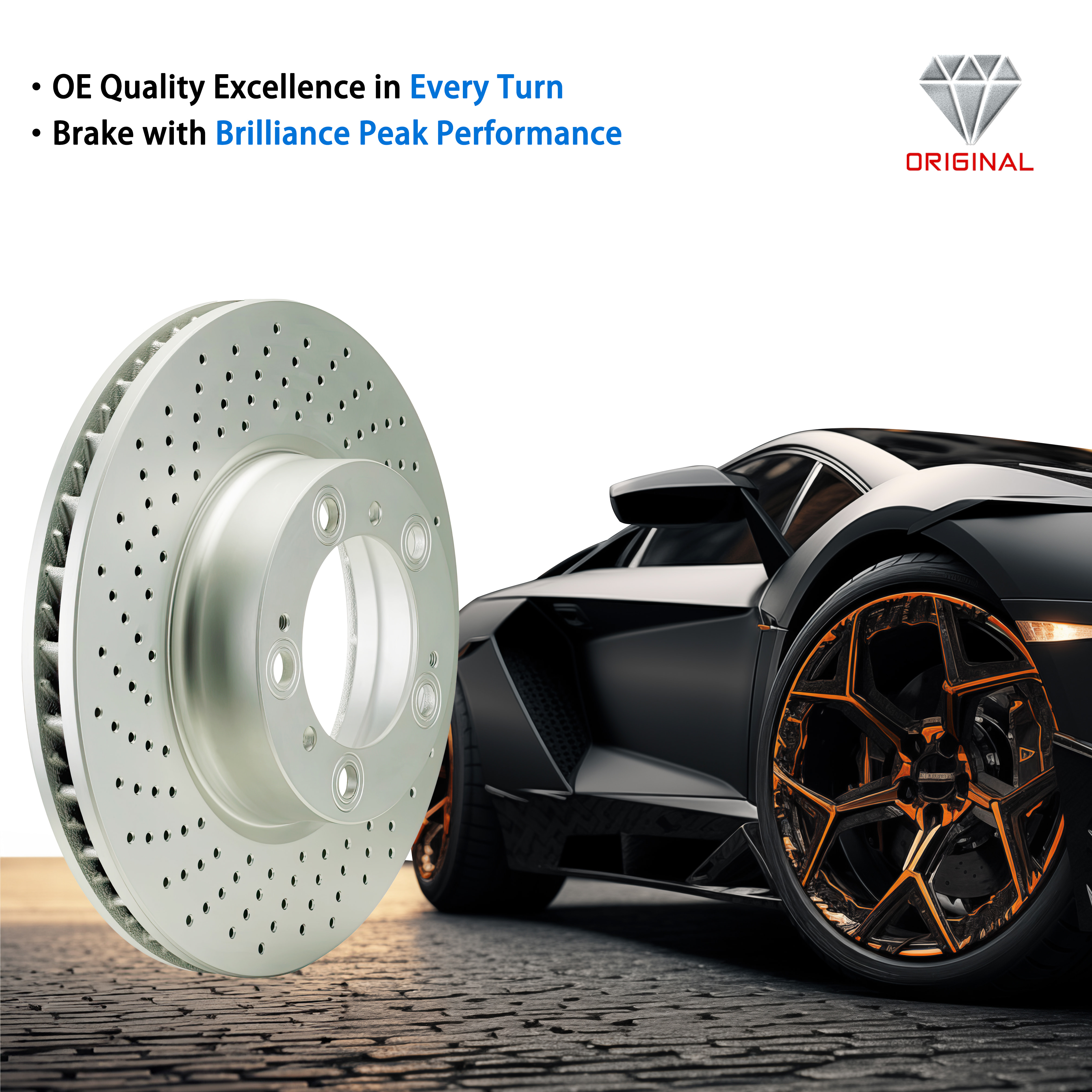
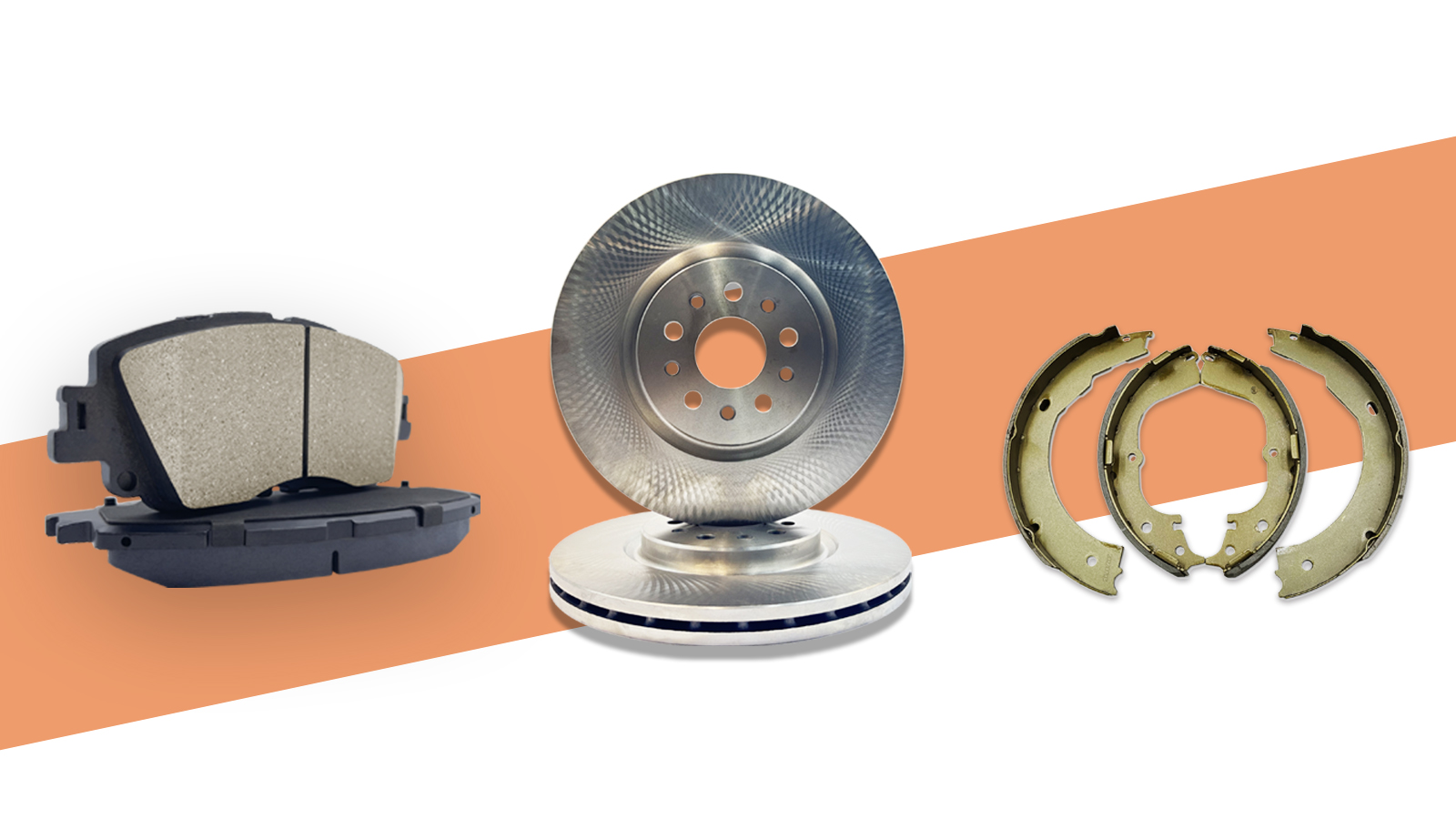
The brake disc is a vital part of the vehicle braking system. It works by converting the vehicle's kinetic energy into heat through friction with the brake pads, facilitating vehicle deceleration and stopping.
Get A Quote

Advantages of the product

Optimal Heat Dissipation

Designed with an optimized structure for heat dissipation, it effectively reduces the risk of brake fade caused by overheating during continuous braking.

Good Wear Resistance

With excellent wear - resistance, it can maintain its braking performance over a long period, reducing the frequency of replacement and maintenance costs.

Related products

Brake discs engineered specifically for Li Xiang (Li Auto) vehicles address the unique braking requirements of extended-range electric vehicles (EREVs) that combine electric motor regeneration with conventional friction braking. These rotors must accommodate the distinctive weight distribution and powertrain characteristics of models like Li Xiang ONE and Li Xiang L9, which typically weigh 2,500-2,800 kg due to battery systems while maintaining refined braking feel expected from premium vehicles. Engineering considerations focus on thermal management for the blended braking system where friction components may see reduced but more inconsistent use compared to conventional vehicles. Material selection typically utilizes high-carbon iron alloys with enhanced thermal conductivity and specific heat capacity to handle the heat generated during full friction braking events when regenerative braking is unavailable or insufficient. Rotor designs often incorporate internal vane configurations optimized for directional cooling airflow, with vane shapes and counts specifically calculated for Li Xiang's hub and knuckle assemblies. A documented case from fleet operators demonstrates how application-specific brake discs resolved premature thickness variation issues in Li Xiang vehicles used for ride-sharing services with high urban stop frequency. Surface treatment options include geometric coating protection for corrosion resistance on non-friction surfaces—particularly important for electric vehicles that generate less braking heat to burn off surface oxidation. Noise vibration harshness (NVH) characteristics receive particular attention through chamfered cooling vanes and balanced mass distribution to prevent low-frequency brake moan common in heavy vehicles. Our manufacturing process includes specialized runout control during machining to meet Li Xiang's precise compatibility requirements with electronic parking brake systems. Performance validation involves testing on inertia dynamometers simulating the vehicle's specific weight distribution and regeneration patterns. For application-specific brake discs compatible with Li Xiang vehicle models, we provide comprehensive technical documentation including installation procedures, bedding recommendations, and performance characteristics through our EV components division.

Common problem

What is the role of a brake disc in a vehicle?

The brake disc is a key part of the braking system. It converts the vehicle's kinetic energy into heat through friction with brake pads, slowing down or stopping the vehicle when the brakes are applied.
The replacement interval varies. Typically, it can last 30,000 - 70,000 miles, but factors like driving habits, vehicle weight, and road conditions affect its lifespan. Regular inspection is essential.
Commonly made of cast iron, some high - performance discs use carbon - ceramic composites. Cast iron offers durability and good heat dissipation, while carbon - ceramic is lighter and more heat - resistant.

Related article

The Importance of Quality Brake Discs in Vehicle Safety

28

Apr

The Importance of Quality Brake Discs in Vehicle Safety

Material Composition and Durability of Quality Brake Discs Traditional vs. Advanced Brake Disc Materials Most standard brake discs come from cast iron because people appreciate how tough it is and how good it handles heat. That's why we see cast ir...
View More
How to Choose the Right Brake Pad for Your Vehicle

28

Apr

How to Choose the Right Brake Pad for Your Vehicle

Understanding Brake Pad Materials and Types Organic Brake Pads: Quiet Performance for Light Use Organic brake pads made from rubber, carbon stuff, and various resins deliver quieter braking compared to other types. They work best on smaller cars an...
View More
What to Look for in a Quality Fuel Pump for Trucks

28

Apr

What to Look for in a Quality Fuel Pump for Trucks

Key Features of a Quality Truck Fuel Pump Durability Under Heavy-Duty Conditions Durability matters a lot when picking out a truck fuel pump because these vehicles run in some pretty rough conditions. Good quality pumps need to handle all sorts of ...
View More
How to Extend the Life of Your Automotive AC Hose

28

Apr

How to Extend the Life of Your Automotive AC Hose

Essential Automotive AC Hose Maintenance Practices Regular Cleaning to Prevent Contamination Maintaining a clean automotive AC hose matters a lot when it comes to getting the most out of your car's cooling system and making sure it lasts longer. Wh...
View More

Customer Reviews

John

These brake discs are amazing! After installation, the braking performance of my car improved significantly. The heat dissipation is excellent, and I haven't experienced any brake fade even during long downhill drives.

Noah

I'm impressed with the brake disc's quality. The precise machining gives it a smooth surface, resulting in even wear of the brake pads. It provides a stable and safe braking experience, and I feel more confident on the road.

Get a Free Quote

Our representative will contact you soon.
Email
Mobile/WhatsApp
Name
Company Name
Message
0/1000
Safety Assurance

Safety Assurance

Strictly tested to meet safety standards, providing reliable braking performance and ensuring the safety of vehicle occupants during driving.