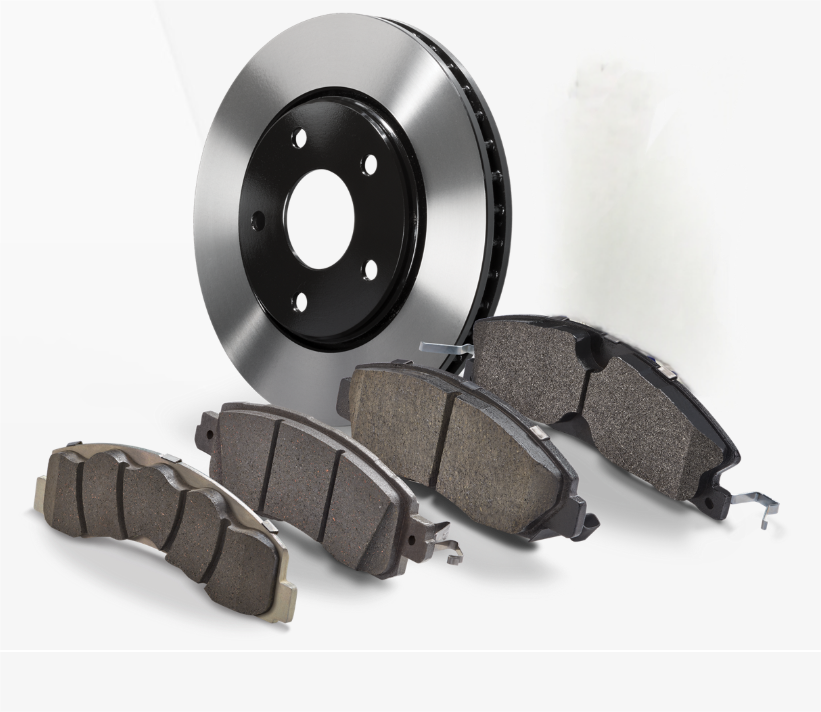
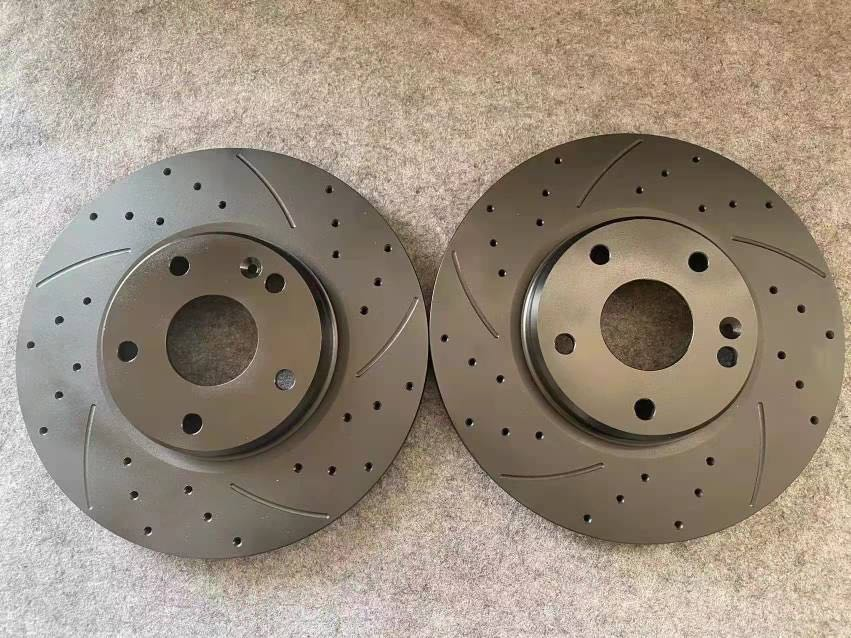
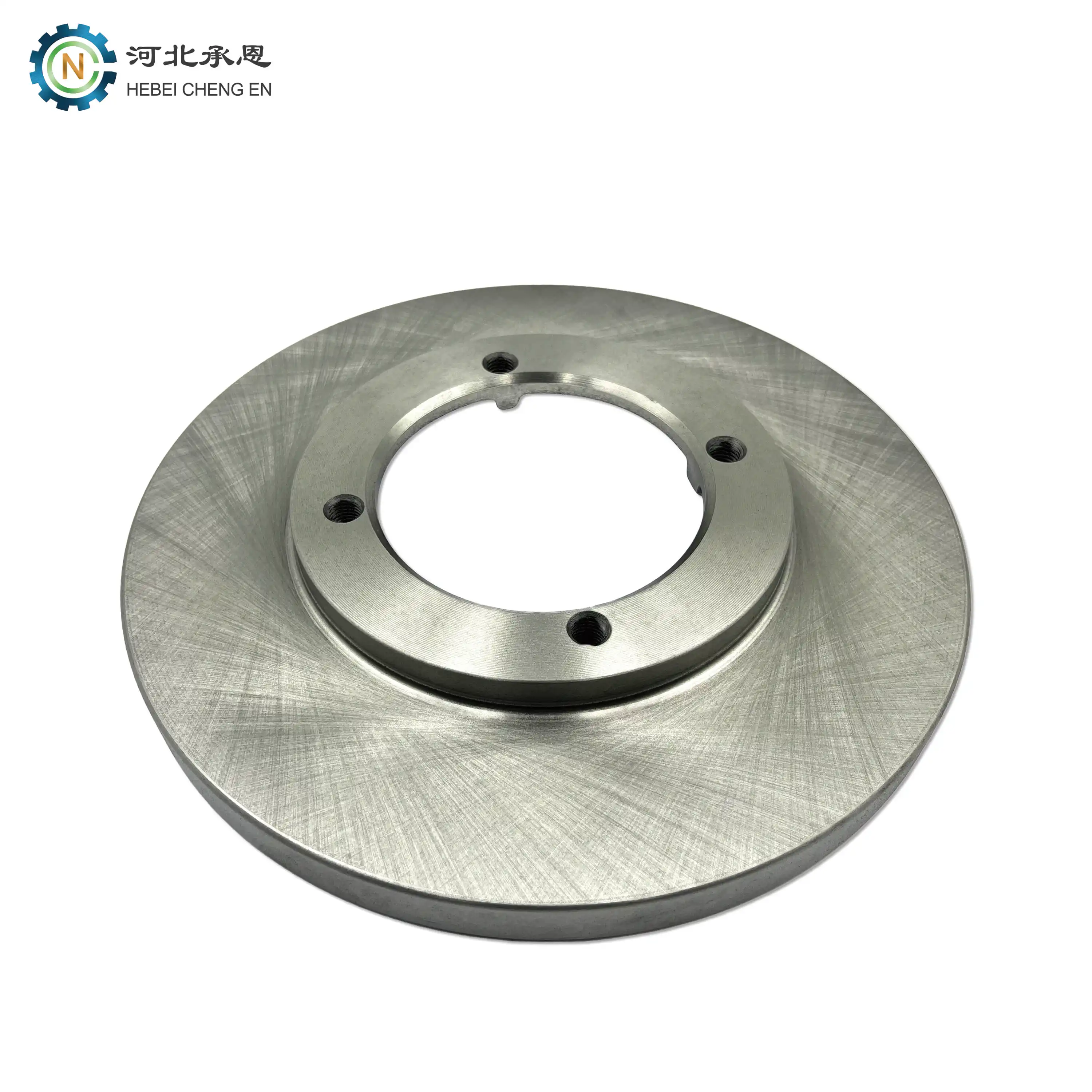
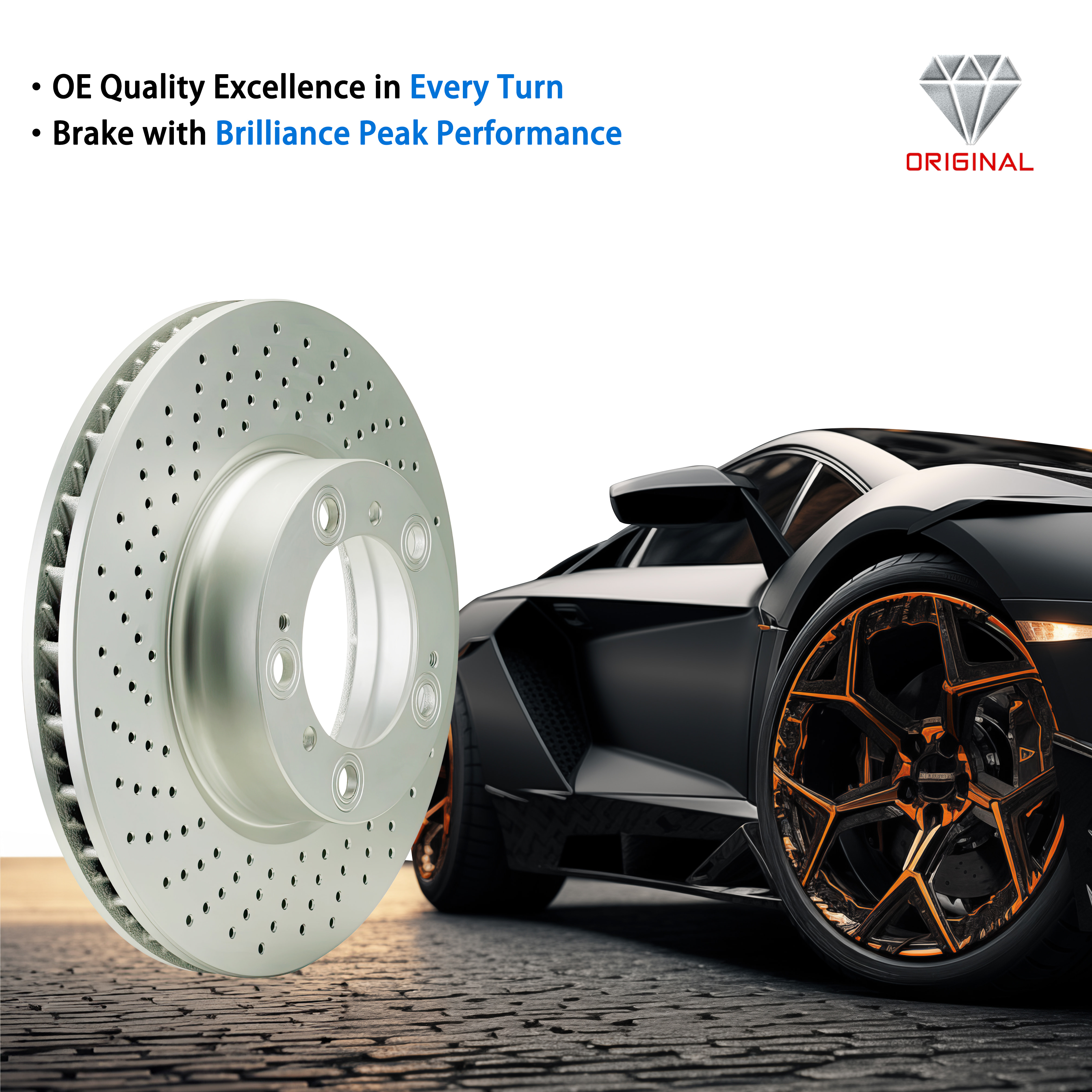
Carbon brake discs represent the pinnacle of braking technology for high-performance sports cars, offering exceptional thermal management and weight reduction advantages over conventional iron-based systems. These advanced components utilize carbon-carbon composite materials or carbon ceramic matrices that withstand extreme operating temperatures exceeding 1,000°C while maintaining stable friction characteristics and structural integrity. The manufacturing process involves complex chemical vapor deposition techniques and high-temperature sintering that create a dense, fiber-reinforced composite structure with exceptional heat resistance and specific strength properties. The primary advantages include approximately 50% weight reduction compared to equivalent iron rotors, significantly reducing unsprung mass and improving vehicle handling dynamics, particularly in sports cars where weight distribution critically impacts performance. Thermal conductivity properties prevent the heat soak into wheel bearings and hydraulic components that commonly plagues iron rotors during track use, while the inherent fade resistance maintains consistent braking performance even under repeated extreme deceleration. A documented case from supercar manufacturers demonstrates how carbon brake systems reduced braking distances by 18% from 200 km/h compared to premium iron alternatives, while surviving entire racing seasons without replacement in endurance competition scenarios. The friction surface characteristics differ fundamentally from iron rotors, requiring specific brake pad formulations with embedded abrasives that effectively engage with the carbon composite material. Application scenarios primarily include premium sports cars, supercars, and motorsport vehicles where the performance benefits justify the substantial cost premium, though technology diffusion is gradually bringing carbon braking to higher-volume performance models. Installation requires specialized procedures due to the brittle nature of the material, with specific torque sequences for mounting hardware and careful avoidance of impact damage during handling. Our technical capabilities include consulting services for carbon brake applications and developing complementary systems for sports car platforms. For comprehensive information regarding carbon brake disc technology and application possibilities for sports cars, we invite manufacturers and racing teams to contact our advanced materials division for detailed technical consultations.