High-Performance Brake Discs for Enhanced Vehicle Safety

Get a Free Quote

Our representative will contact you soon.
Email
Mobile/WhatsApp
Name
Company Name
Message
0/1000
Brake Disc: Key Component in Vehicle Braking

Brake Disc: Key Component in Vehicle Braking

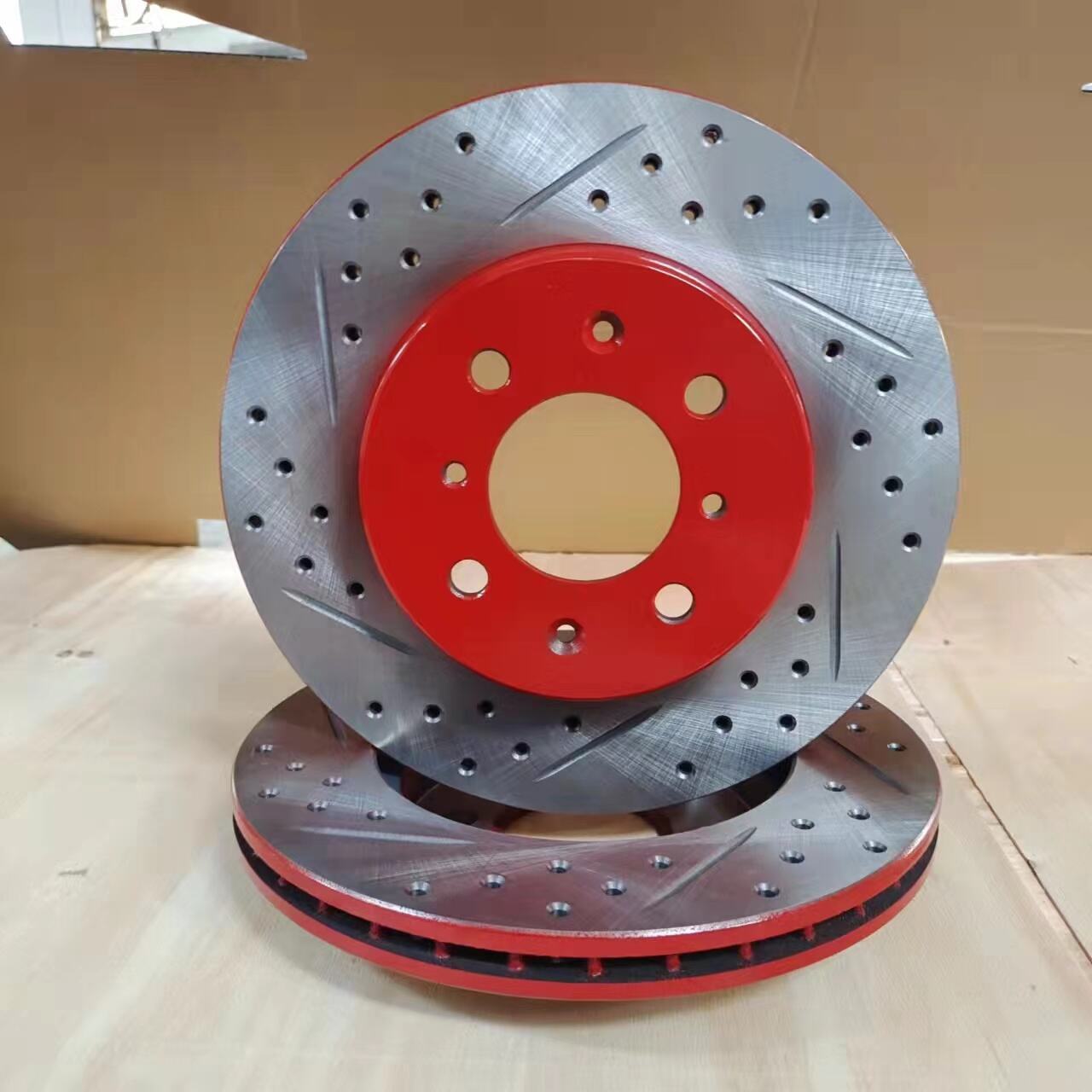
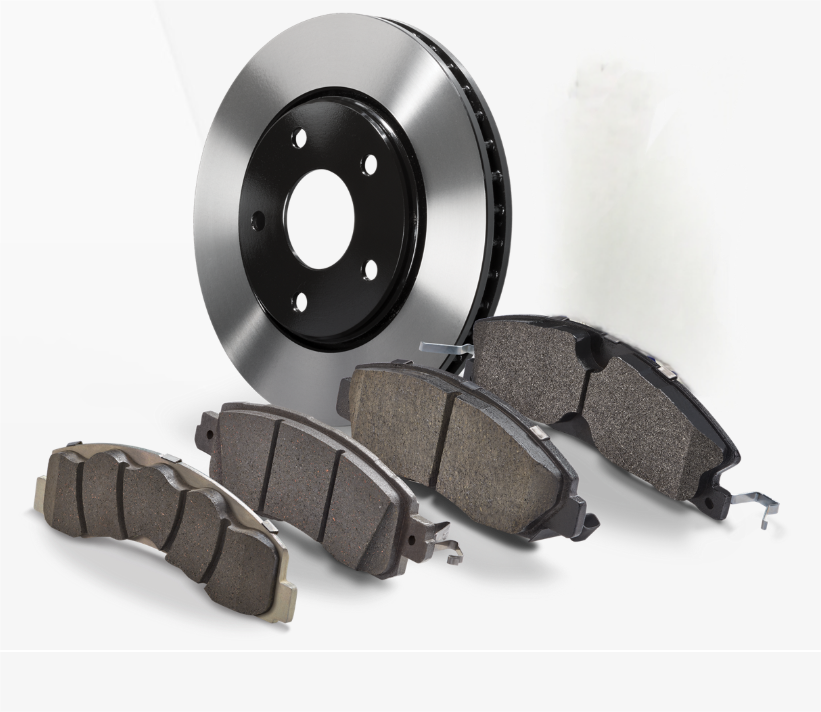
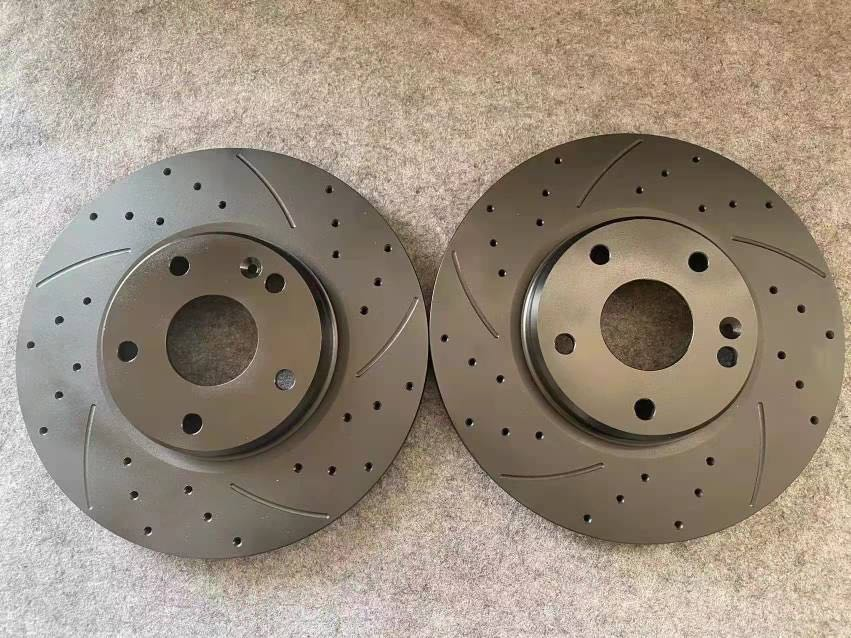
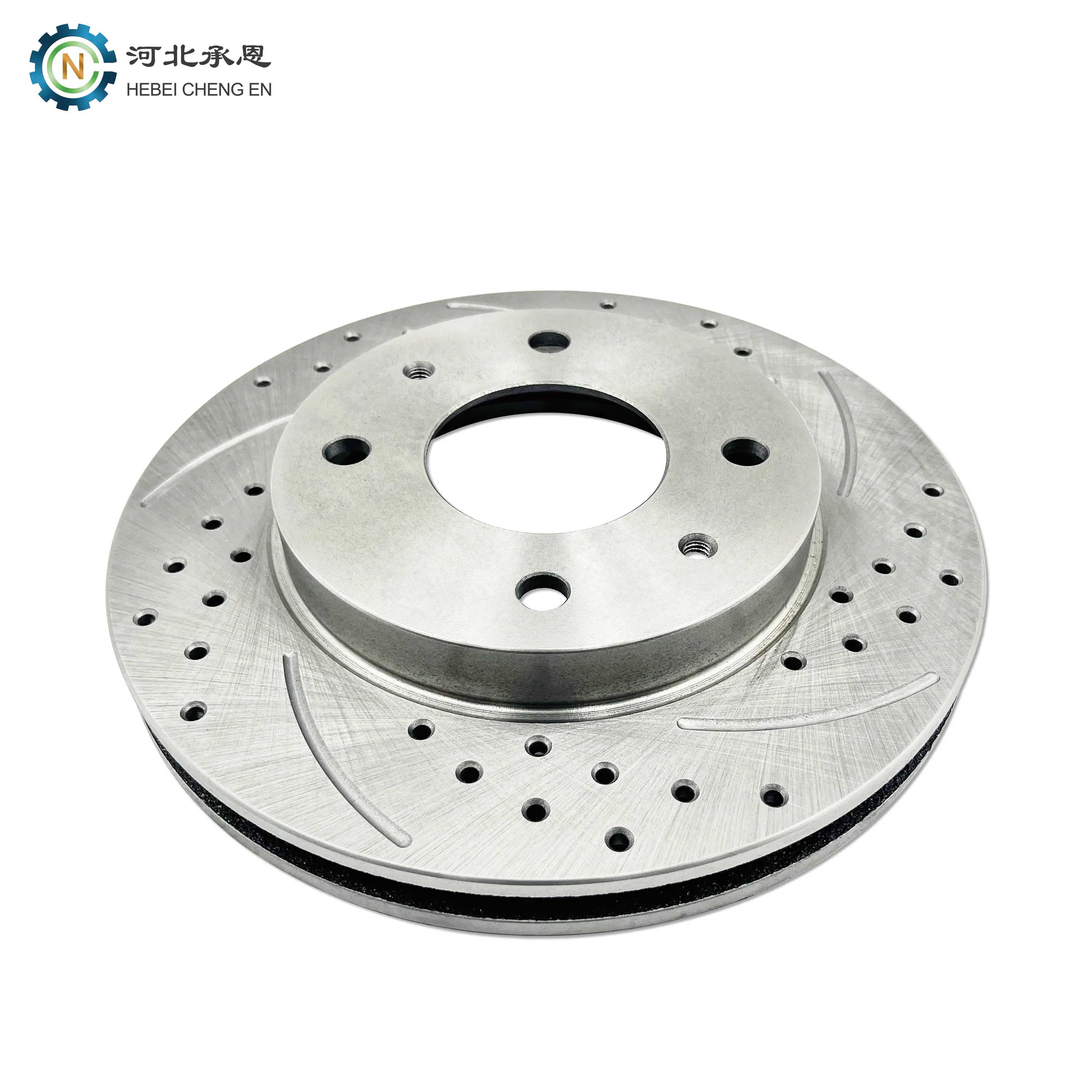
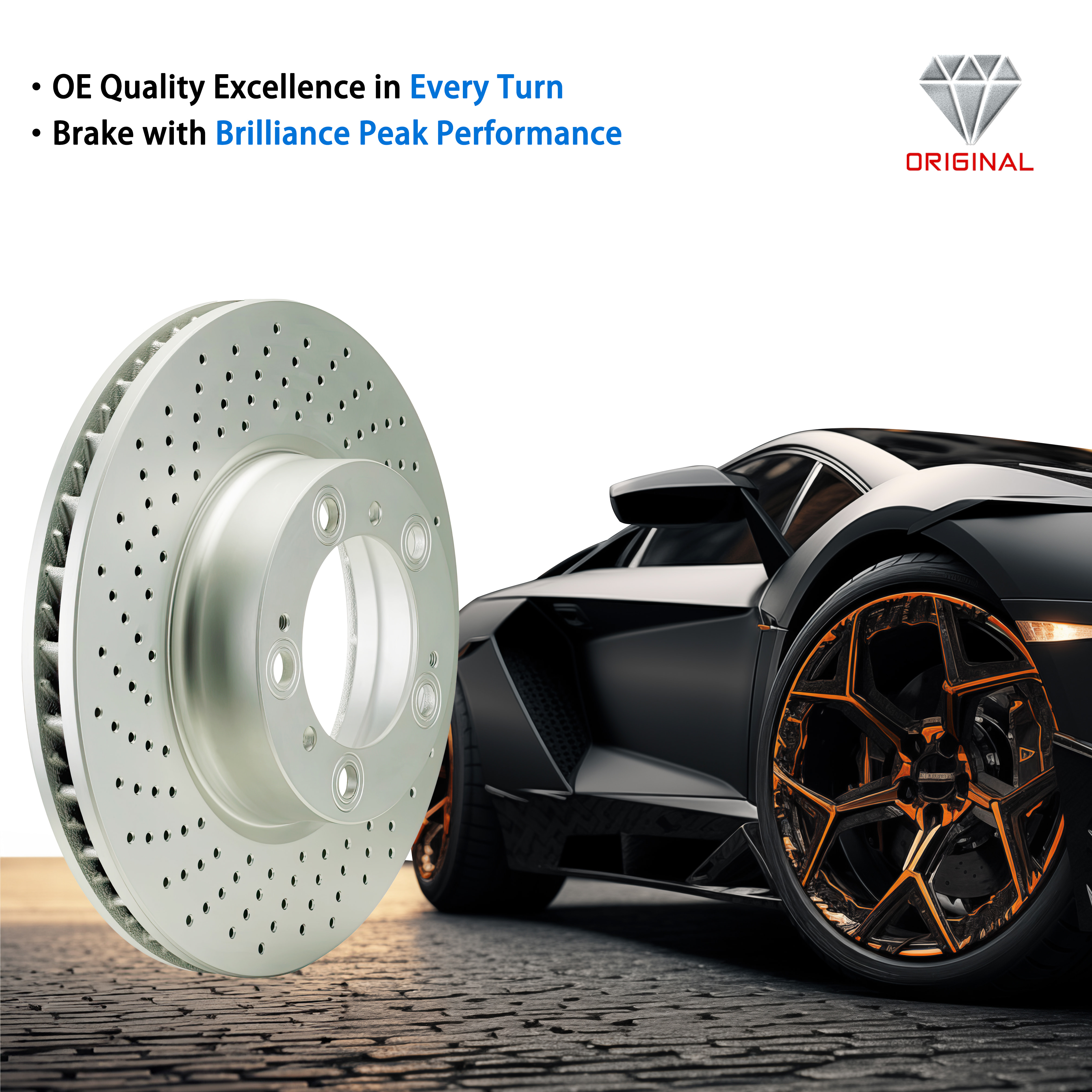
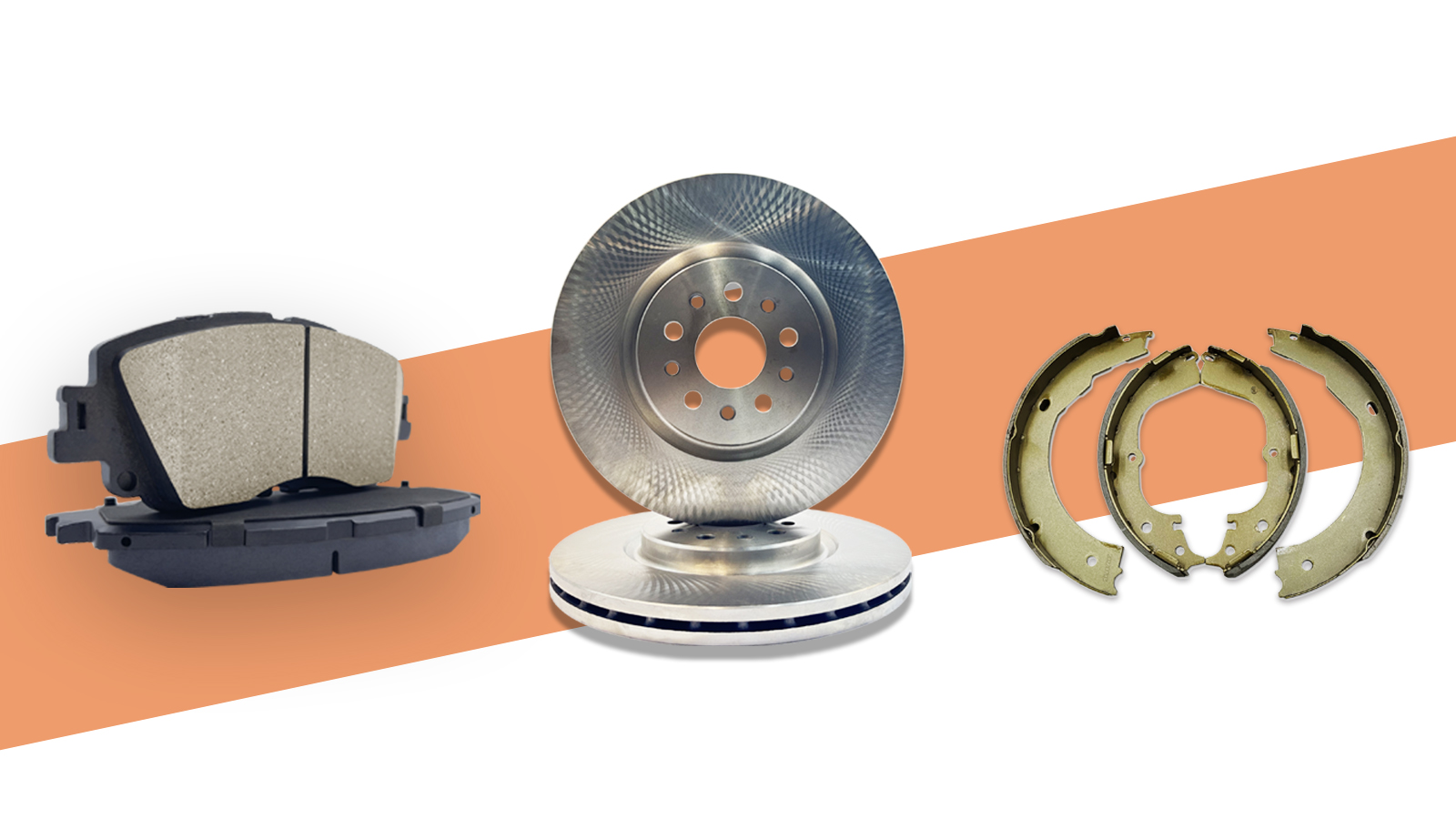
The brake disc is a vital part of the vehicle braking system. It works by converting the vehicle's kinetic energy into heat through friction with the brake pads, facilitating vehicle deceleration and stopping.
Get A Quote

Advantages of the product

High - strength Material

Made of high - strength cast iron or advanced composite materials, the brake disc can withstand high friction and heat, ensuring long - lasting performance.

Optimal Heat Dissipation

Designed with an optimized structure for heat dissipation, it effectively reduces the risk of brake fade caused by overheating during continuous braking.

Related products

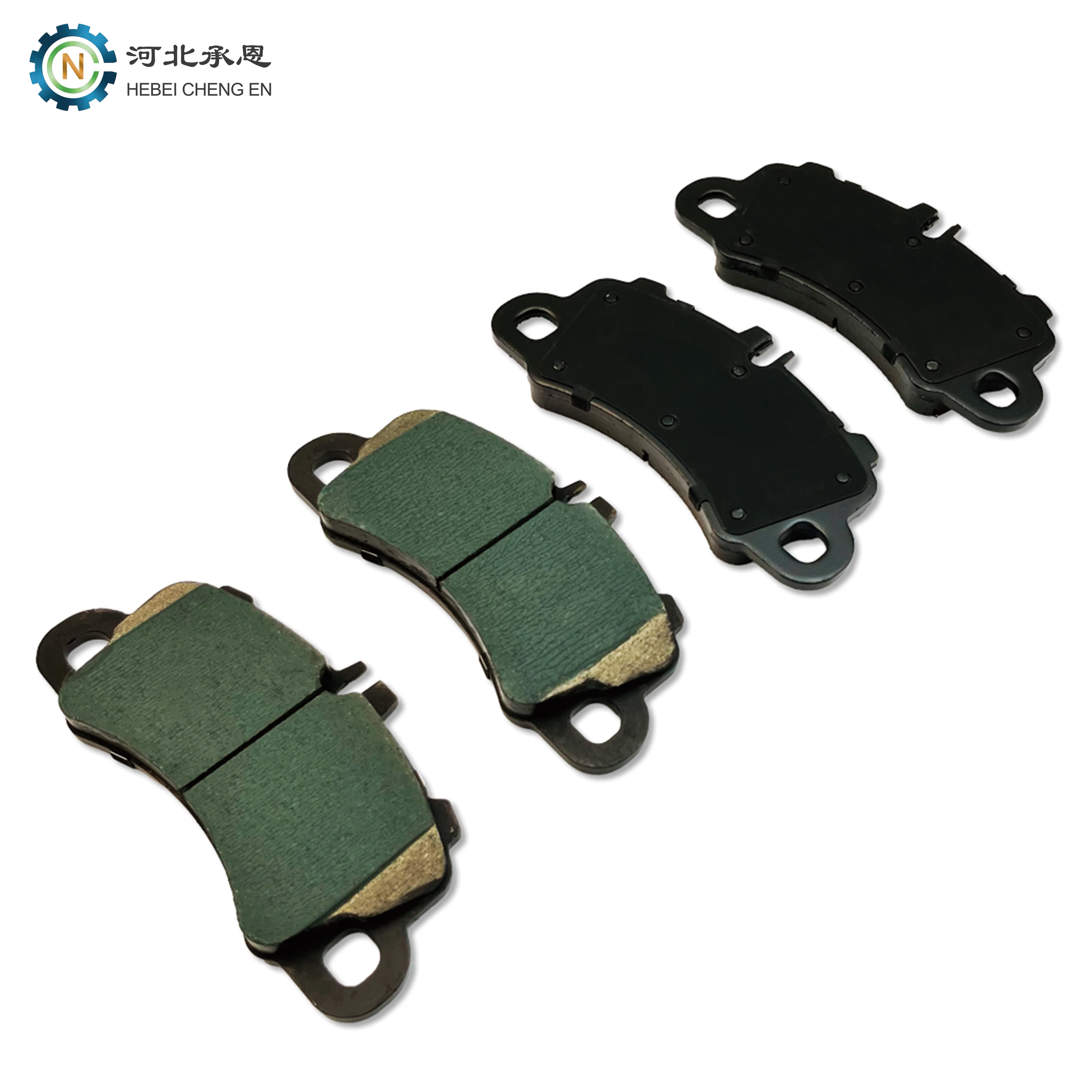
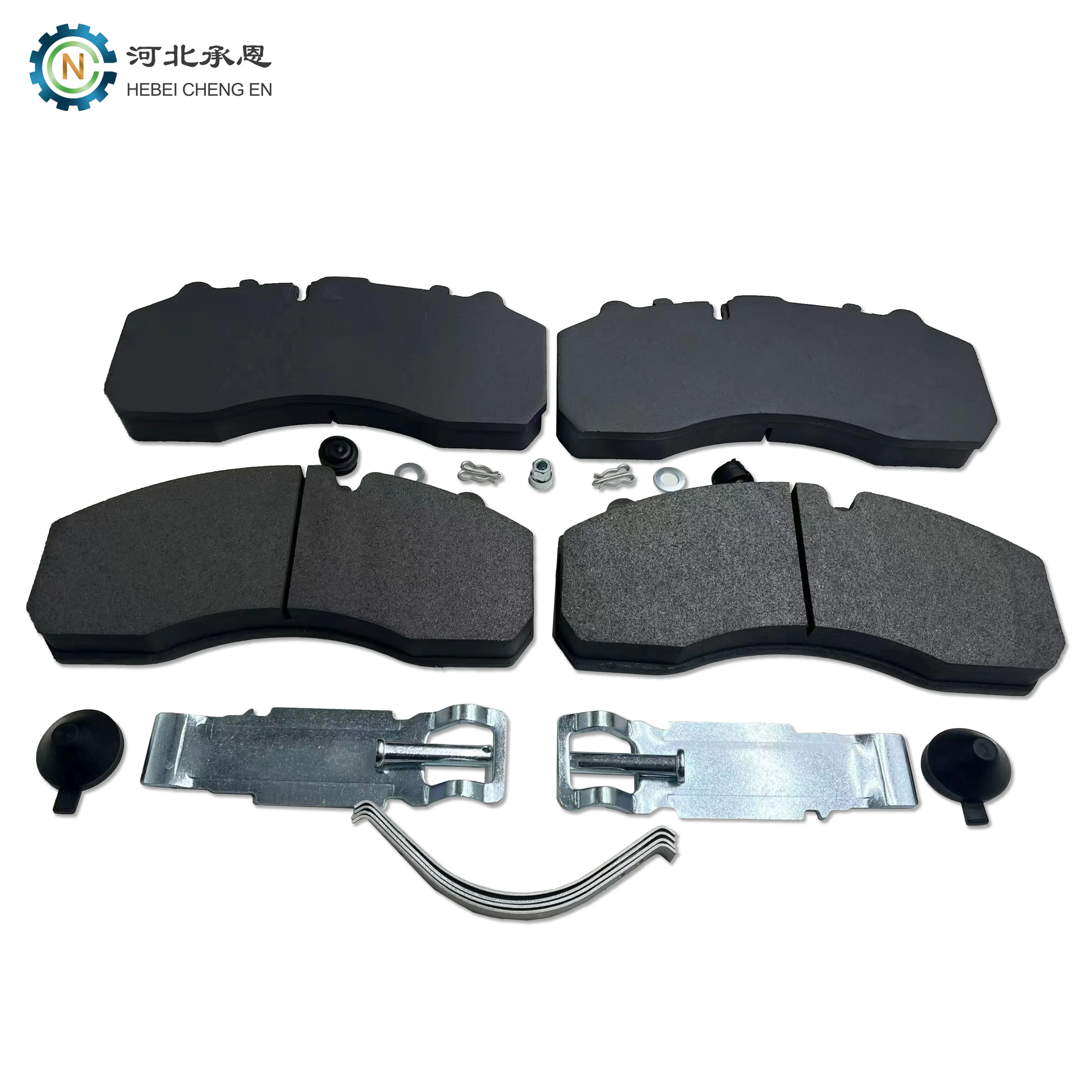
Performance brake disc pads represent specialized friction components engineered to deliver elevated braking capability under demanding operating conditions beyond standard passenger vehicle requirements. These advanced formulations utilize sophisticated material technology including ceramic compounds, sintered metallic matrices, and organic composites with proprietary additive packages that optimize friction stability, wear resistance, and thermal management. The engineering approach balances multiple performance parameters—initial bite characteristics, progressive torque development, high-temperature stability, and rotor compatibility—across a wide operational temperature range from -40°C to 800°C. Performance validation involves extensive testing on inertia dynamometers simulating extreme conditions including repeated stops from high speeds, sustained braking during mountain descents, and recovery performance after water immersion. A documented case from motorsport applications demonstrates how performance pads maintained consistent friction coefficients above 0.45 during entire endurance racing events where standard formulations degraded below 0.30 after similar use. Material technology varies significantly across performance categories—semi-metallic formulations provide cost-effective performance enhancement for street applications, ceramic compounds offer quiet operation with minimal dusting for premium vehicles, and fully sintered metallic pads deliver maximum performance for track use despite potential noise and rotor wear trade-offs. Application scenarios range from sport compact enthusiasts seeking improved stopping power to professional racing teams requiring absolute consistency under extreme conditions. Installation considerations include proper bedding procedures to establish optimal transfer layers on both pad and rotor surfaces, with specific protocols varying by friction material type. Our product development includes application-specific solutions for various performance segments, with comprehensive testing validating compatibility with different rotor materials from standard cast iron to advanced carbon ceramic composites. For technical specifications and application recommendations regarding performance brake disc pads, please consult our friction materials engineering team for detailed guidance on selection, installation, and optimal usage parameters.

Common problem

What is the role of a brake disc in a vehicle?

The brake disc is a key part of the braking system. It converts the vehicle's kinetic energy into heat through friction with brake pads, slowing down or stopping the vehicle when the brakes are applied.
Commonly made of cast iron, some high - performance discs use carbon - ceramic composites. Cast iron offers durability and good heat dissipation, while carbon - ceramic is lighter and more heat - resistant.
Signs include vibrations in the brake pedal, longer stopping distances, and visible grooves or excessive thinning. A mechanic can also measure its thickness to determine wear.

Related article

The Importance of Quality Brake Discs in Vehicle Safety

28

Apr

The Importance of Quality Brake Discs in Vehicle Safety

Material Composition and Durability of Quality Brake Discs Traditional vs. Advanced Brake Disc Materials Most standard brake discs come from cast iron because people appreciate how tough it is and how good it handles heat. That's why we see cast ir...
View More
How to Choose the Right Brake Pad for Your Vehicle

28

Apr

How to Choose the Right Brake Pad for Your Vehicle

Understanding Brake Pad Materials and Types Organic Brake Pads: Quiet Performance for Light Use Organic brake pads made from rubber, carbon stuff, and various resins deliver quieter braking compared to other types. They work best on smaller cars an...
View More
How to Extend the Life of Your Automotive AC Hose

28

Apr

How to Extend the Life of Your Automotive AC Hose

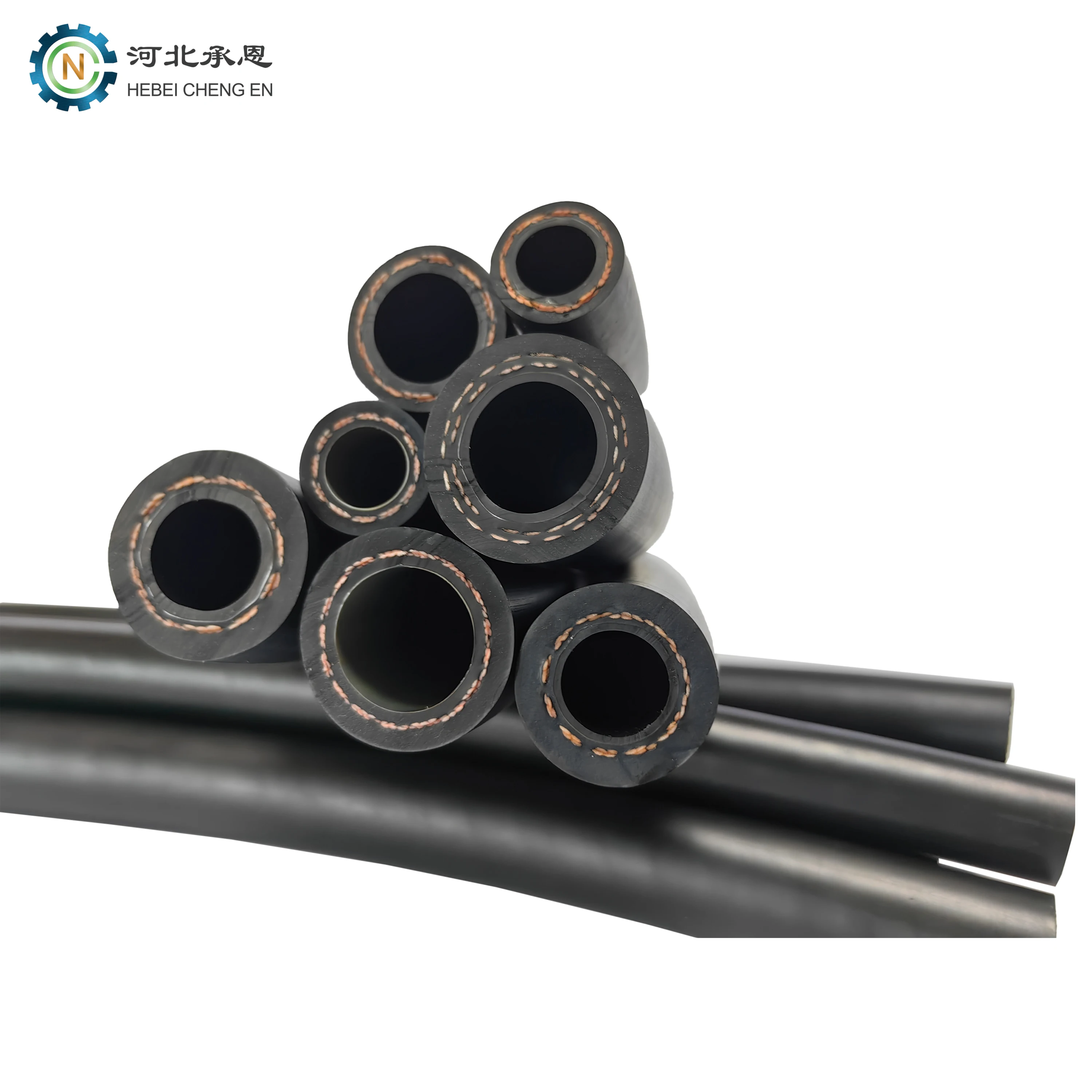
Essential Automotive AC Hose Maintenance Practices Regular Cleaning to Prevent Contamination Maintaining a clean automotive AC hose matters a lot when it comes to getting the most out of your car's cooling system and making sure it lasts longer. Wh...
View More
How to Ensure Your Truck's Braking System is Up to Standard

28

Apr

How to Ensure Your Truck's Braking System is Up to Standard

Understanding Truck Brake System Components The safety of transporting goods across long distances depends heavily on properly functioning brake systems in commercial trucks. Brake pads, rotors, drums, and calipers make up the core elements needed ...
View More

Customer Reviews

John

These brake discs are amazing! After installation, the braking performance of my car improved significantly. The heat dissipation is excellent, and I haven't experienced any brake fade even during long downhill drives.

Stella

The brake disc is a top - tier product. It meets all safety standards, and the installation was straightforward. I've noticed a significant reduction in braking distances, enhancing my driving safety.

Get a Free Quote

Our representative will contact you soon.
Email
Mobile/WhatsApp
Name
Company Name
Message
0/1000
Safety Assurance

Safety Assurance

Strictly tested to meet safety standards, providing reliable braking performance and ensuring the safety of vehicle occupants during driving.