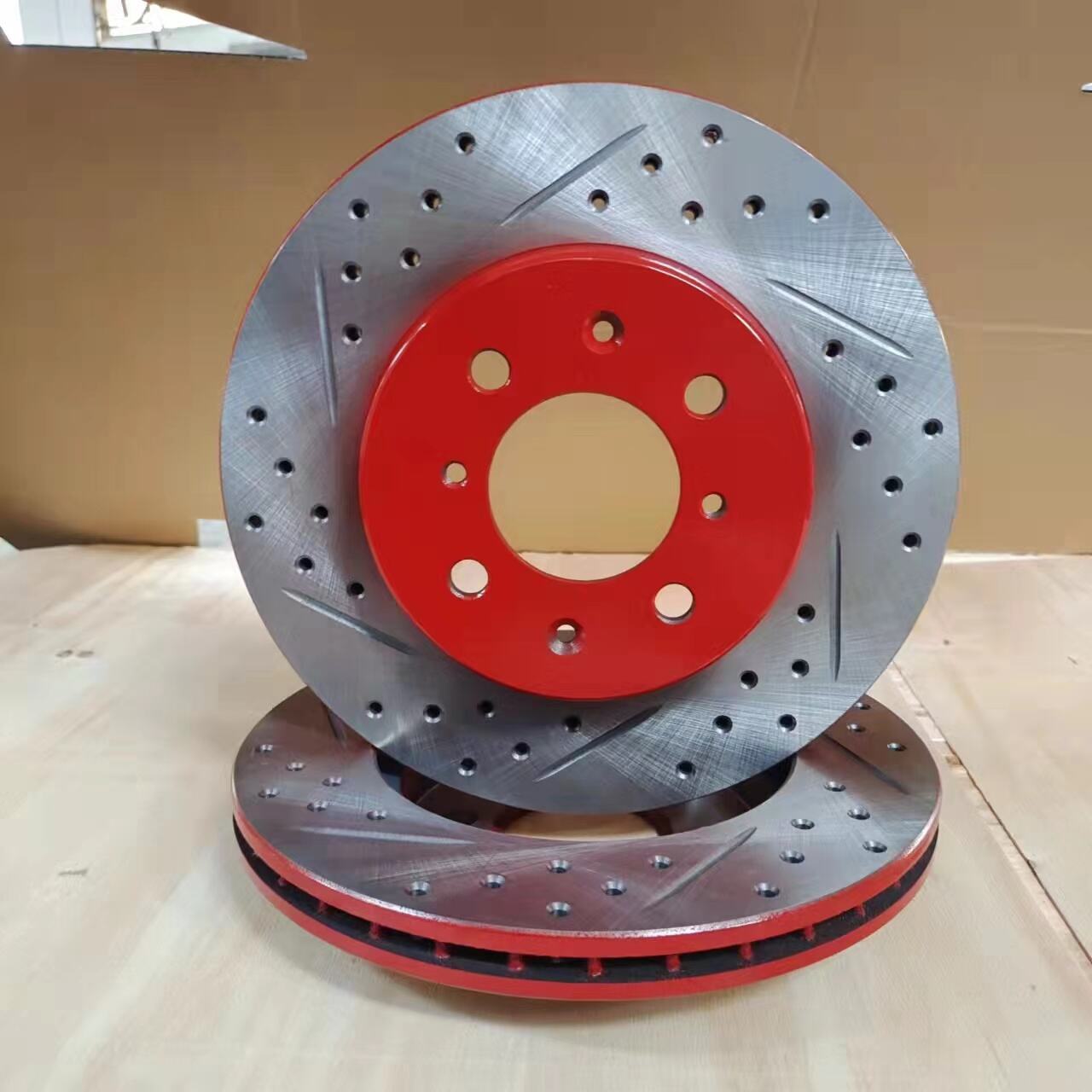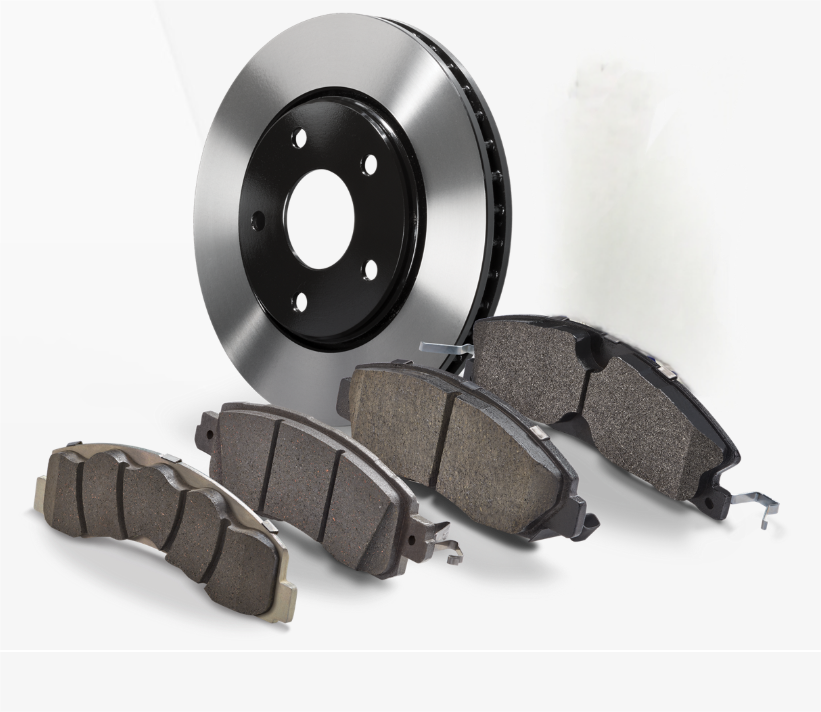
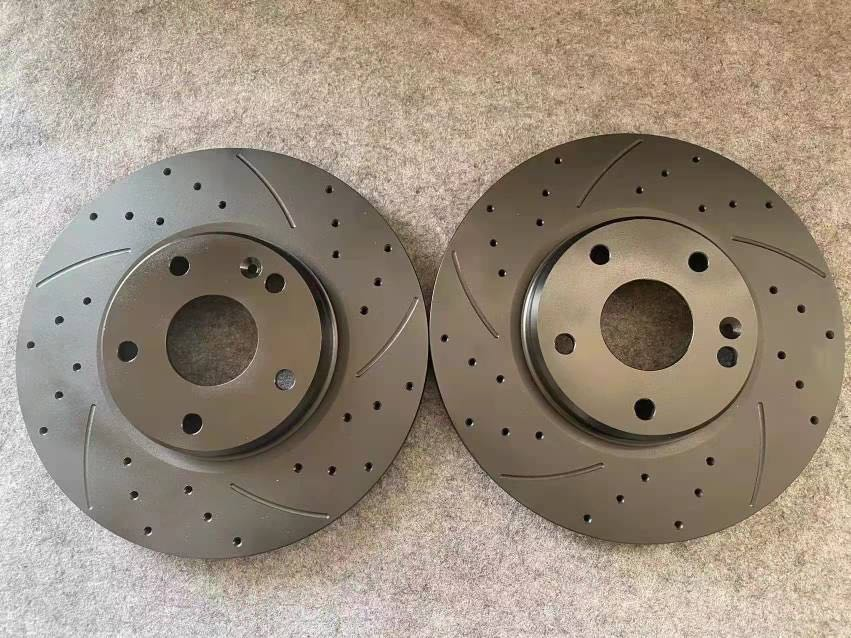
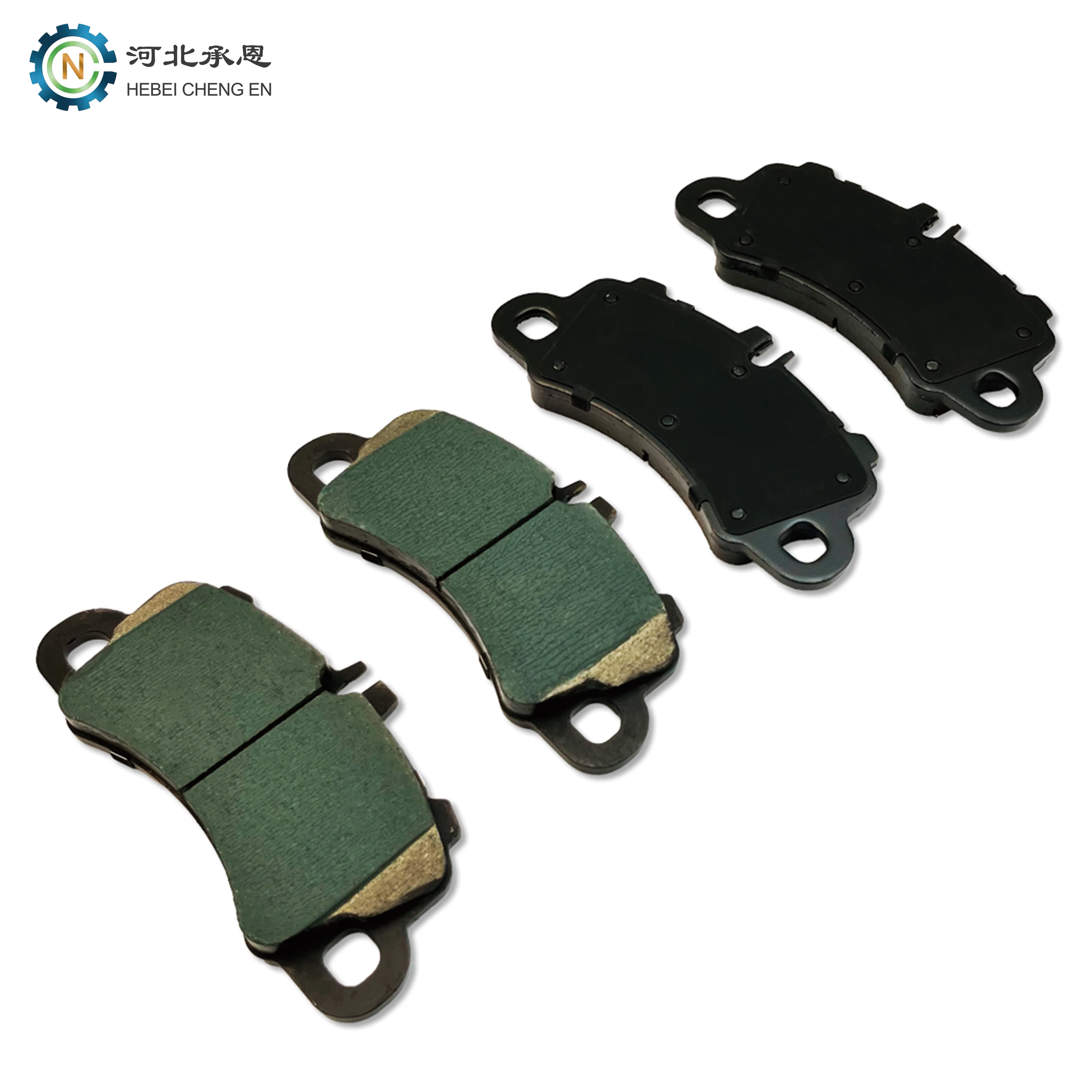
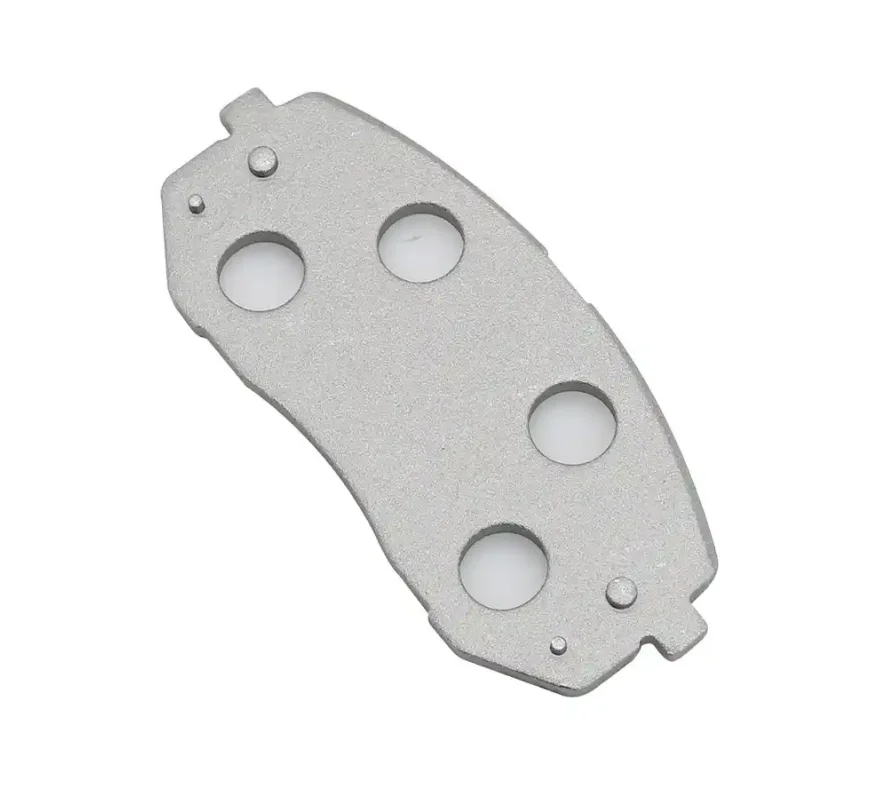
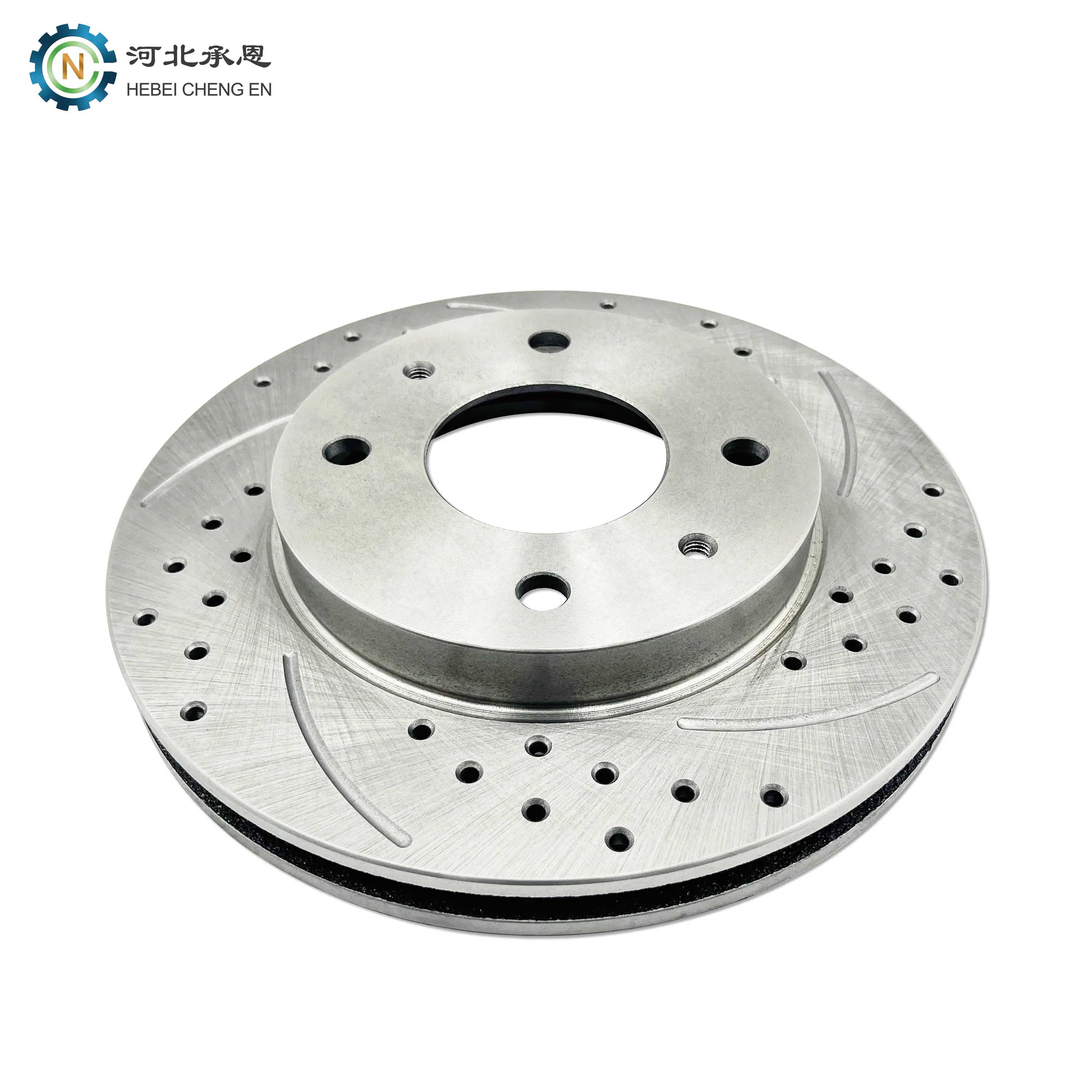
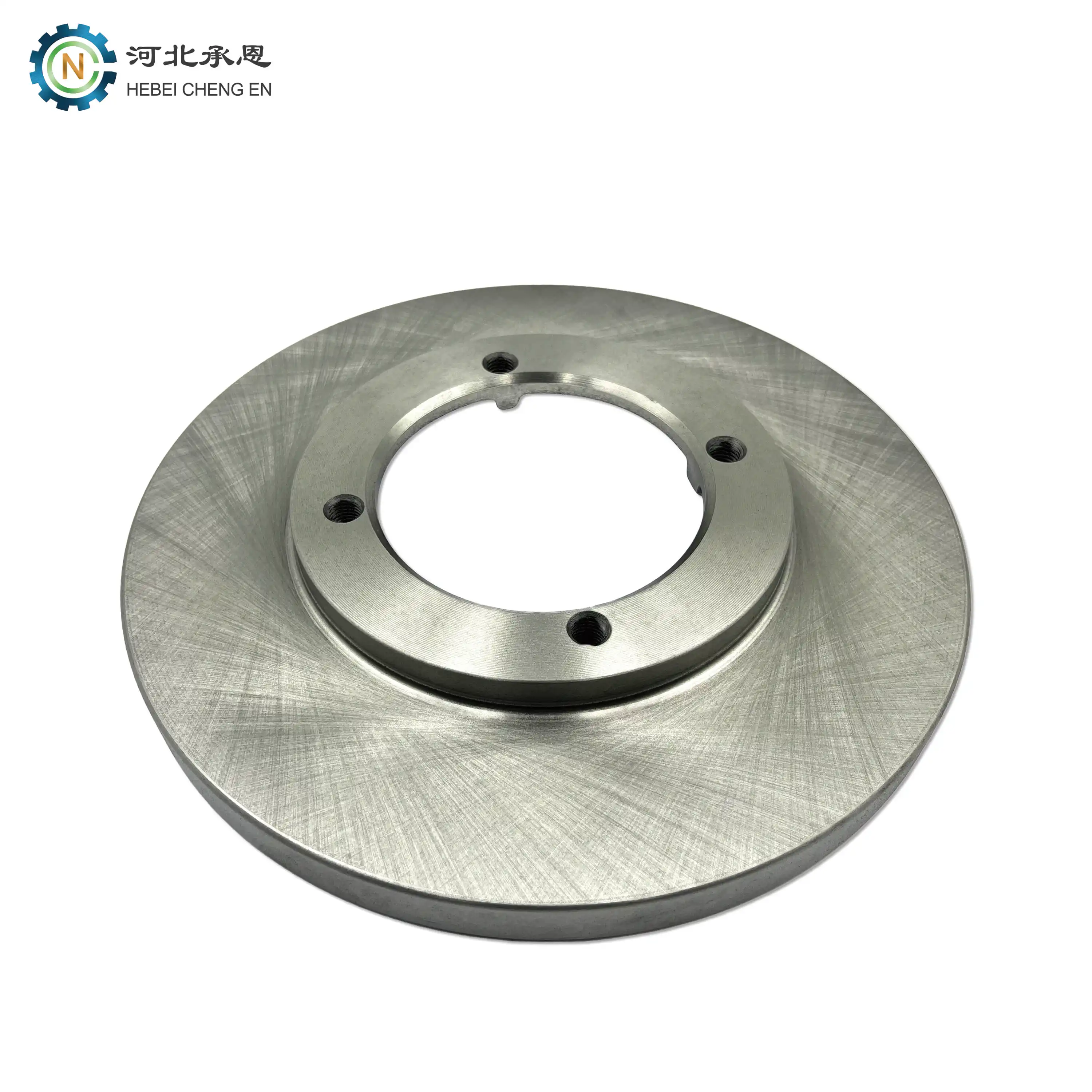
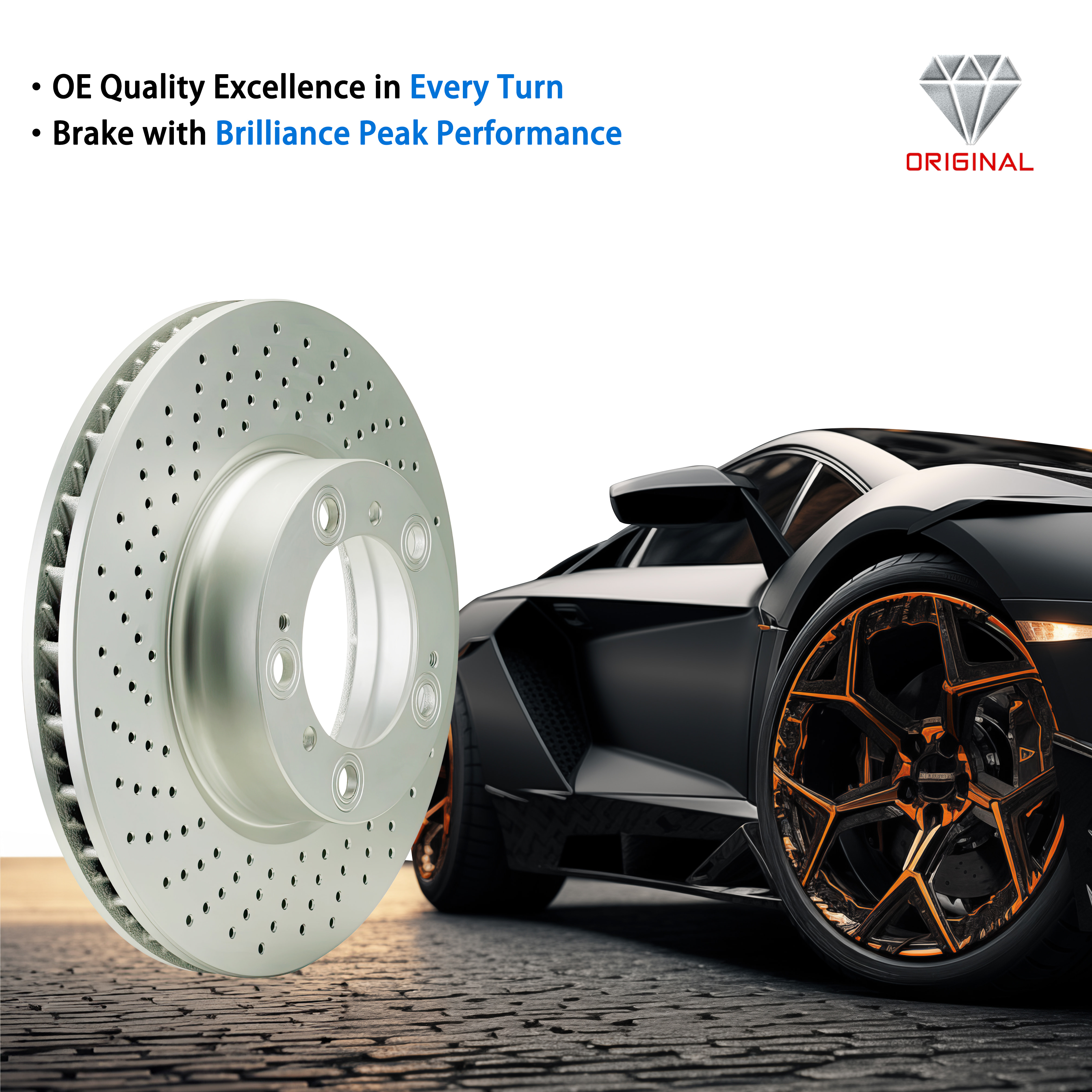
Professional brake disc maintenance represents a systematic approach to preserving optimal braking performance and extending component service life through regular inspection, cleaning, and corrective procedures. A comprehensive maintenance regimen begins with periodic visual inspections conducted during tire rotations or oil changes, focusing on identifying surface irregularities such as deep scoring, heat spotting, or uneven wear patterns that indicate potential system issues. Critical measurement procedures involve using a micrometer to check thickness at multiple points across the friction surface, comparing results against the minimum thickness specification stamped on the disc hub, typically requiring replacement when wear exceeds 1.5-2.0mm from the original dimension. Cleaning protocols emphasize the removal of abrasive debris and corrosion from the disc surfaces using appropriate non-metallic brushes and specific brake cleaning solvents that leave no residue, while avoiding compressed air that can embed particles in the seal surfaces. Lubrication maintenance involves applying high-temperature silicone-based grease to the caliper mounting brackets and pad contact points to ensure smooth operation and prevent uneven pad wear that can cause disc thickness variation. For vehicles operated in regions using road de-icing salts or coastal environments with high humidity, additional corrosion prevention measures include periodic cleaning of the disc non-friction surfaces and the application of specialized anti-corrosion sprays designed for braking components. A documented case from European fleet operations demonstrated how a structured maintenance program extending inspection intervals from 15,000 to 10,000 miles reduced premature disc replacement rates by 40% in urban delivery vehicles subjected to frequent stop-start cycling. Driving technique adjustments significantly impact maintenance intervals, including avoiding prolonged brake application during downhill descents by utilizing engine braking, and allowing adequate cooling time after severe braking before parking to prevent pad material transfer onto hot disc surfaces. Seasonal maintenance considerations address specific challenges like the removal of surface rust that forms during extended parking in humid conditions, typically through normal driving application rather than aggressive cleaning methods. Our technical support resources include detailed maintenance checklists, inspection interval recommendations for various operating conditions, and troubleshooting guides for common disc-related issues. For comprehensive brake disc maintenance procedures and technical guidance tailored to specific vehicle applications and operating environments, please contact our technical support team for detailed recommendations and best practice documentation.