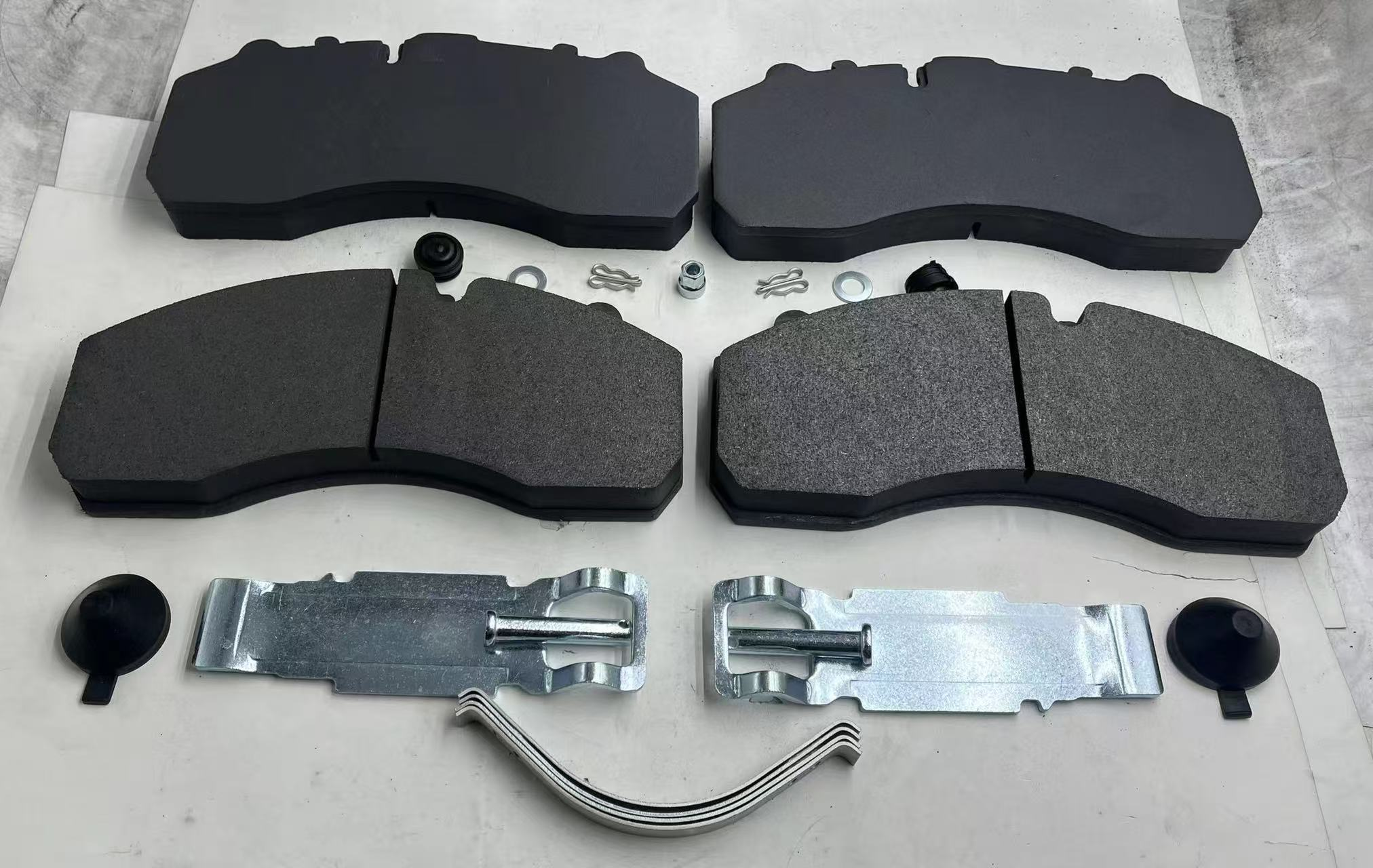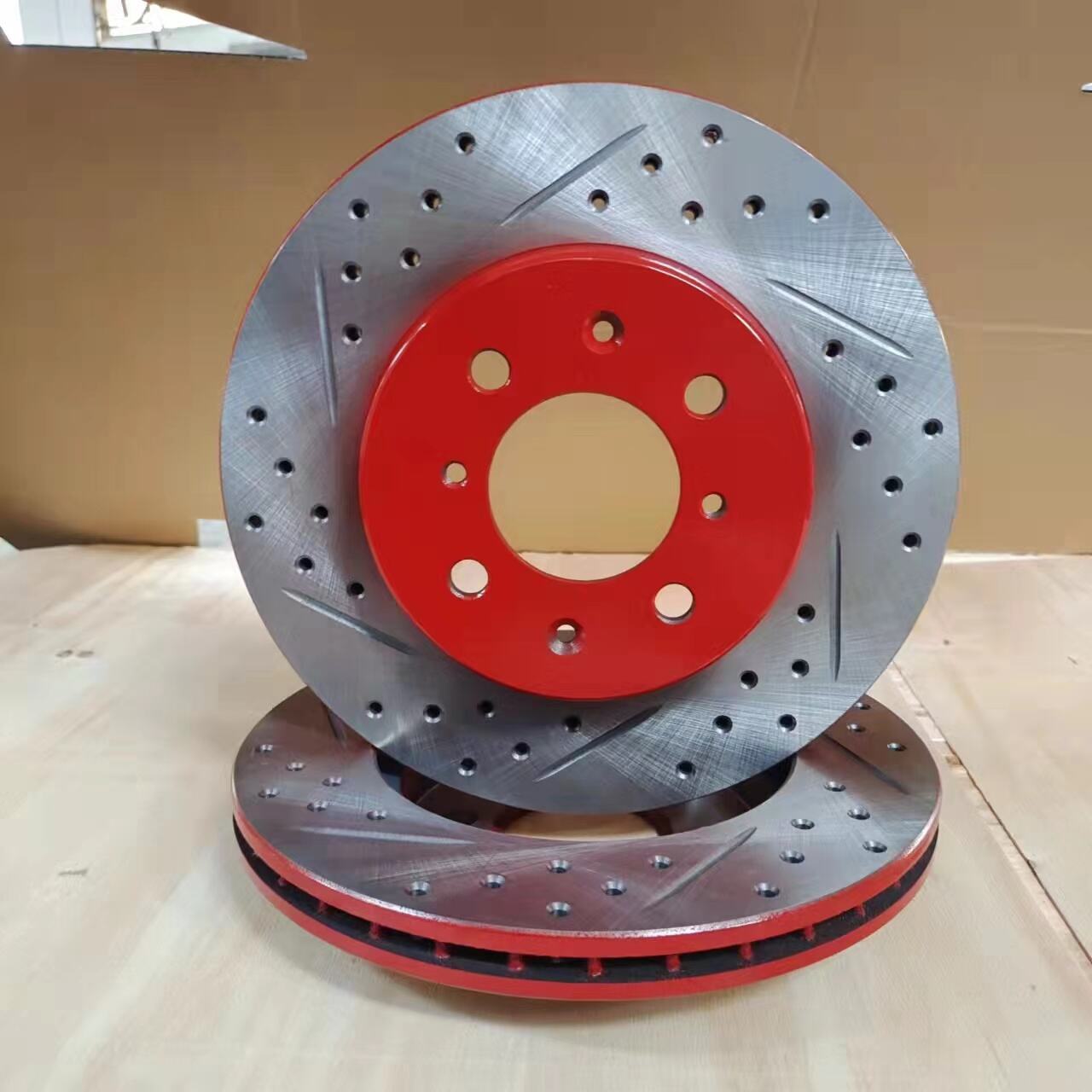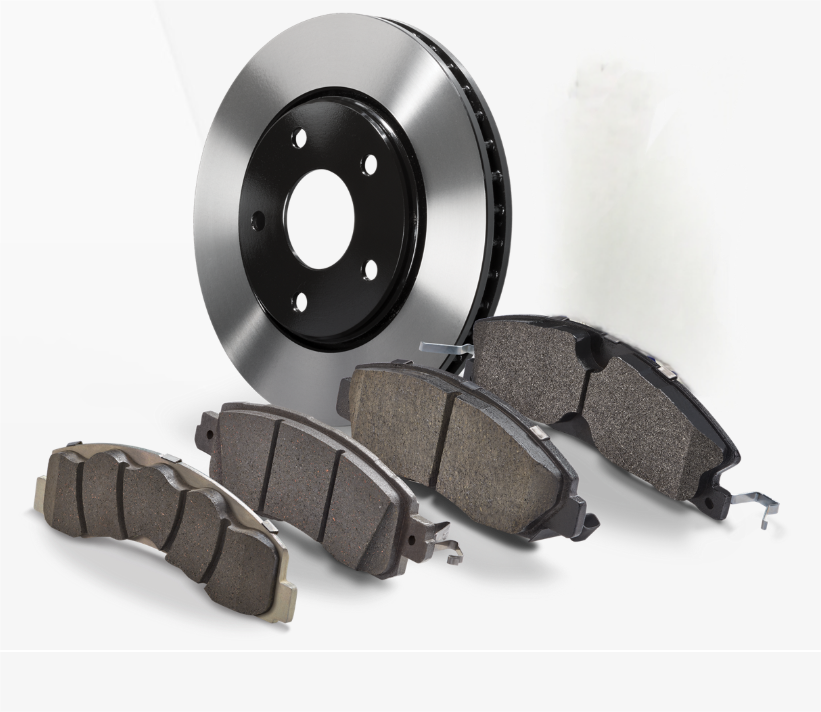
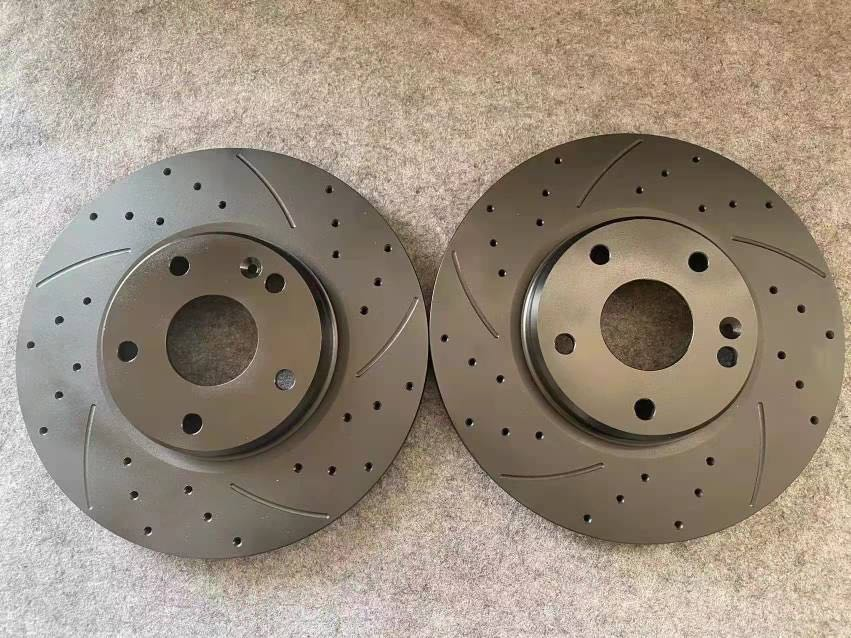
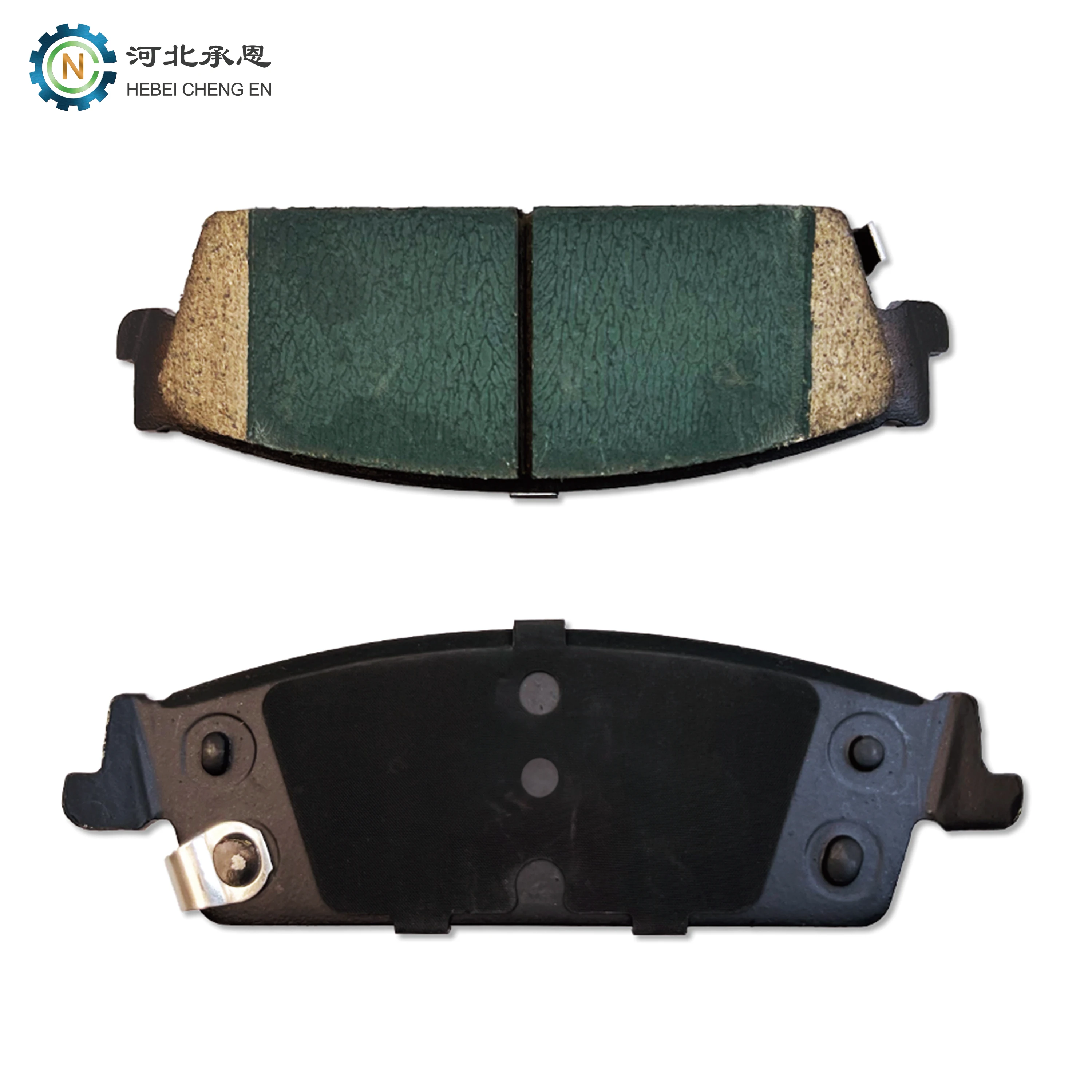
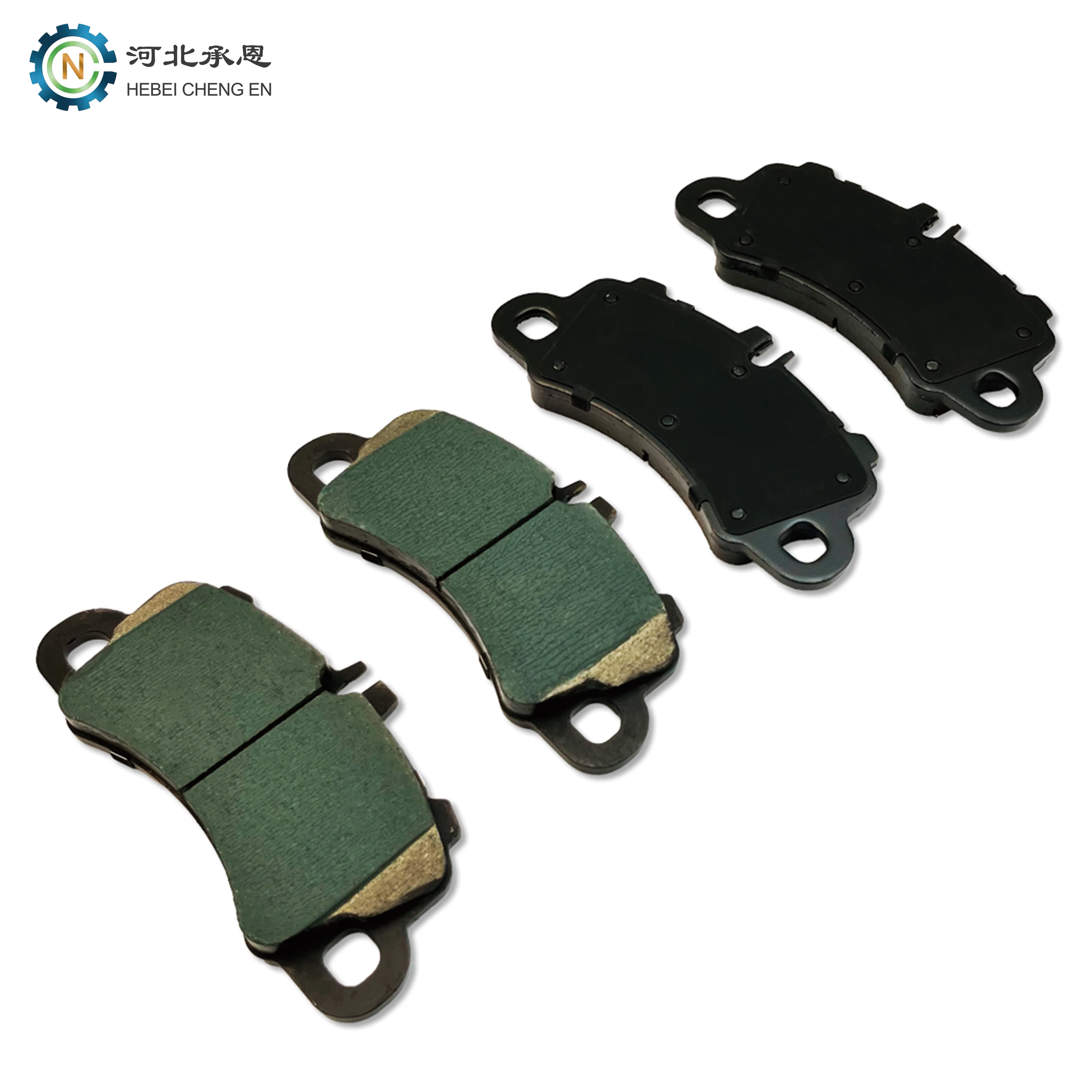
A systematic brake disc troubleshooting guide enables technicians and vehicle owners to accurately diagnose common braking system issues through methodical inspection and analysis procedures. Vibration or pulsation felt through the brake pedal or steering wheel during braking typically indicates disc thickness variation or warping, verified through micrometer measurement at multiple points showing deviations exceeding 0.003-0.005 inches, often caused by improper torque sequencing during wheel installation or excessive heat generation from prolonged braking. Excessive noise manifestations including grinding sounds suggest complete pad material depletion allowing metal-to-metal contact, while high-frequency squealing may result from vibration harmonics between pads and discs, frequently addressed through chamfered pad designs and specialized shim applications. Visual inspection protocols identify multiple failure modes including heat spotting appearing as blueish discolored areas indicating localized overheating, radial cracking from thermal stress exceeding material limits, and edge lip formation from normal wear progression requiring measurement against minimum thickness specifications. Performance issues like extended stopping distances or brake fade during repeated application often stem from pad glazing creating reduced friction coefficients or fluid boiling in severe thermal conditions, resolved through surface conditioning and system fluid replacement. A documented case from automotive service centers demonstrated how systematic troubleshooting reduced misdiagnosis rates by 65% when addressing brake pull issues, correctly identifying stuck caliper slides versus contaminated friction materials through sequential testing procedures. Measurement-based troubleshooting involves checking runout using dial indicators mounted to suspension components, with specifications typically below 0.05mm, while parallel distortion measurements assess flatness variations that cause pedal pulsation. Unusual wear patterns including tapered wear from caliper misalignment, disc scoring from embedded abrasive particles, and irregular deposits from pad material transfer each require specific corrective actions ranging from component replacement to surface machining. Our technical resources include comprehensive diagnostic flowcharts covering noise, vibration, and performance complaints with step-by-step verification procedures and specification references for various vehicle systems. For detailed brake disc troubleshooting assistance and application-specific diagnostic protocols, we provide extensive technical documentation through our service support channels and welcome specific case inquiries.