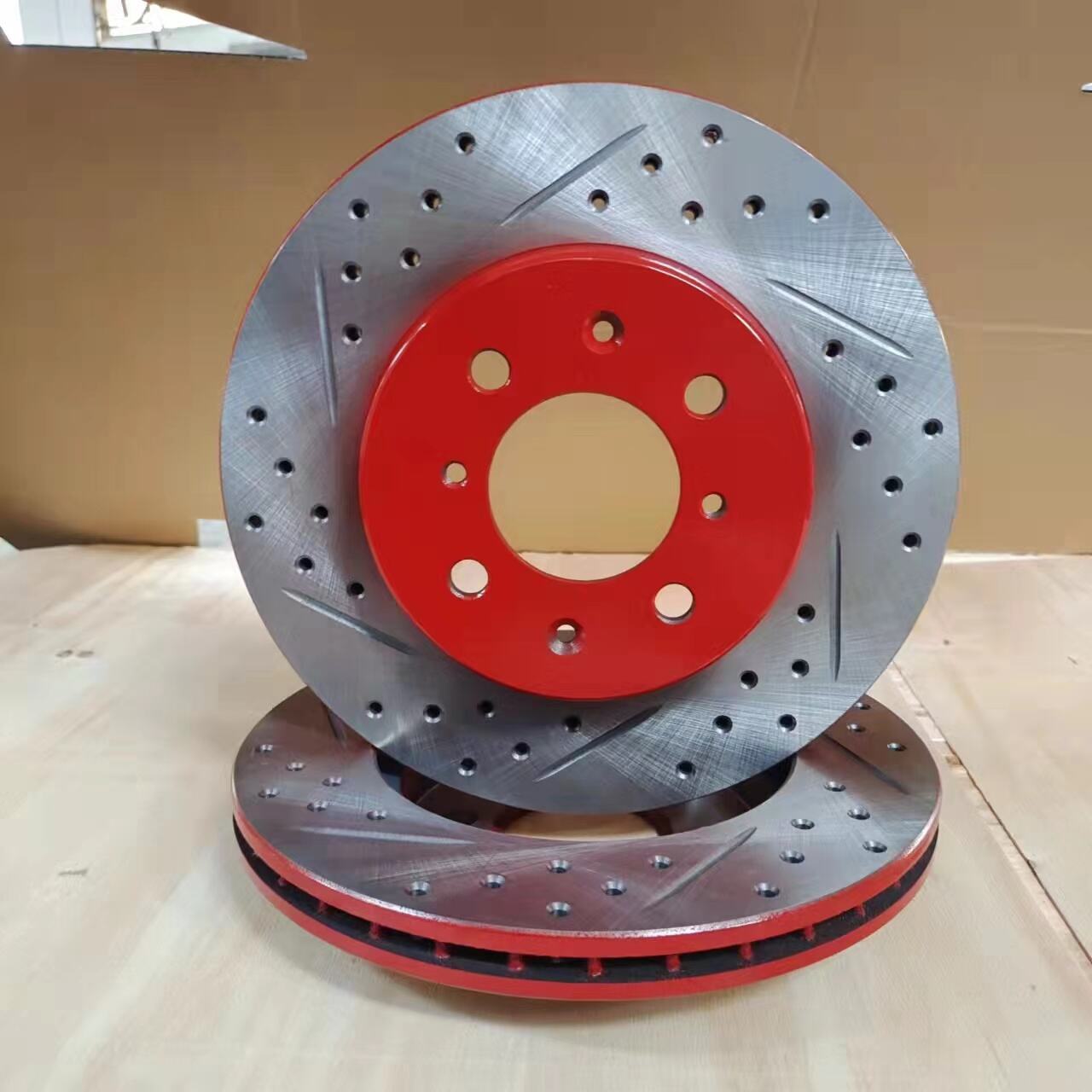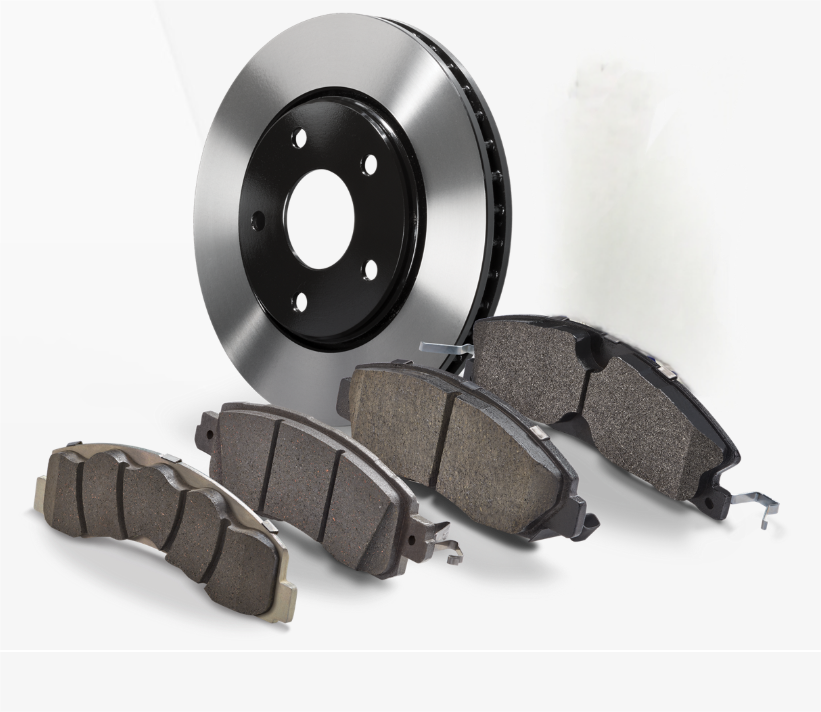
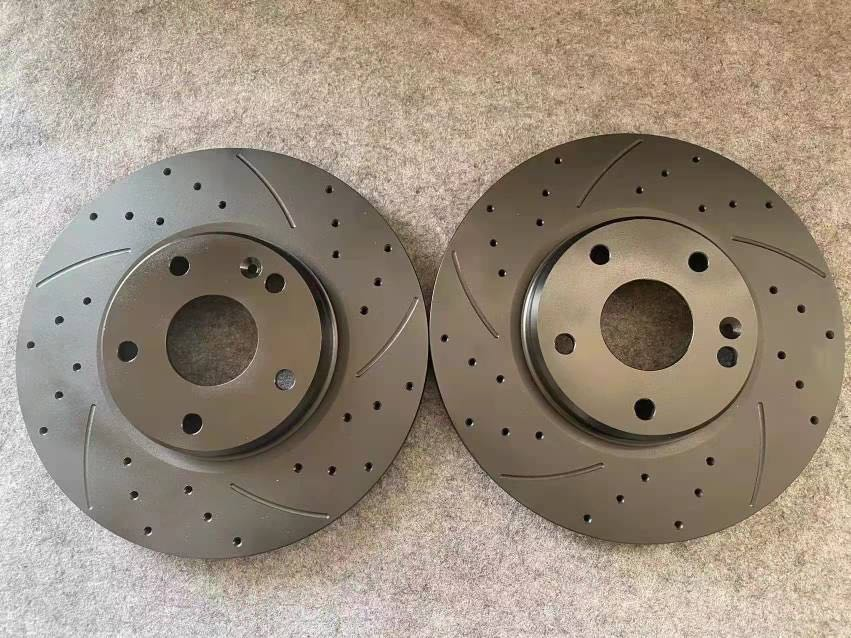
Professional testing of brake discs involves comprehensive evaluation procedures that assess multiple performance parameters to ensure operational safety and compliance with technical specifications. The testing protocol encompasses dimensional verification, material analysis, performance validation, and non-destructive examination using specialized equipment and standardized methodologies. Dimensional inspection utilizes precision measuring instruments including micrometers for thickness variation assessment, dial indicators for runout measurement, and surface plates with height gauges for flatness and parallelism verification. Technical standards typically specify maximum thickness variation of 0.005mm for passenger vehicles and runout limits below 0.05mm to prevent braking vibration issues. Material analysis may involve spectroscopic examination to verify alloy composition, metallographic testing to assess microstructure, and hardness testing to confirm proper heat treatment. Performance validation occurs on specialized inertia dynamometer test stands that simulate vehicle kinetic energy through rotating mass, applying controlled braking cycles that replicate real-world conditions from normal city driving to extreme mountain descent scenarios. A documented case from certification laboratories demonstrates how comprehensive testing identified material inconsistencies that caused premature thermal cracking in 3% of production samples despite passing initial dimensional inspections. Non-destructive examination techniques include magnetic particle inspection for surface crack detection, ultrasonic testing for internal flaw identification, and liquid penetrant examination for porosity assessment. Specialized testing protocols evaluate specific performance aspects including thermal capacity through repeated high-temperature stops, cooling efficiency through controlled airflow measurement, and noise vibration harshness characteristics using accelerometers and sound pressure analysis. Our testing facilities include multiple dynamometer configurations for different vehicle categories, environmental chambers for temperature cycle testing, and corrosion simulation equipment for coating validation. For comprehensive information regarding brake disc testing methodologies and performance validation services, we provide detailed technical documentation through our engineering department and welcome inquiries regarding specific testing requirements and certification protocols.