EN
EN



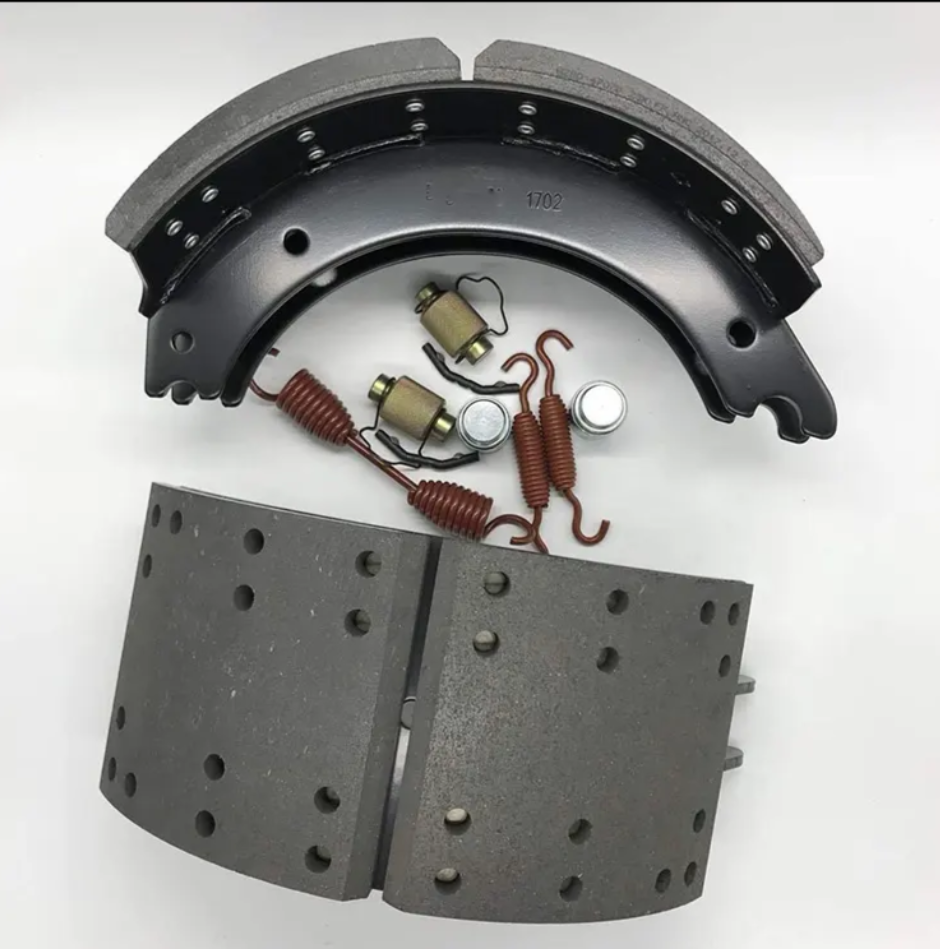
Assessing Brake Drum Surface Condition and Its Impact on Performance
Common Surface Defects: Warping, Glazing, and Scoring
According to Ponemon's research from last year, around 38 percent of all problems with brakes on commercial vehicles actually come down to those little surface issues on the drums going unnoticed. When these metal parts get too hot repeatedly, especially above about 650 degrees Fahrenheit, they start to warp out of shape. Then there's this thing called glazing where the surface becomes super smooth and hard, which cuts down how well the brakes can grip by as much as 40%. That makes stopping distances longer than they should be. And scoring is another problem area. These are basically deep scratches in the metal that go beyond 0.04 inches depth. They wear out the brake shoes faster and mess with how pressure gets distributed through the hydraulic system when someone hits the brakes.
How Surface Condition Affects Brake Shoe Engagement and Friction
When a brake drum isn't smooth, the brake shoes can only make partial contact with it. This creates hot spots on the drum surface which wear down the friction material over time. According to some tests, vehicles with glazed brake drums need about 22 extra feet to stop completely when going 60 mph, compared to cars with drums that have been properly resurfaced. The way brakes engage becomes unpredictable too. Brake shoes keep gripping and slipping across these rough spots, giving drivers all sorts of strange feedback through the pedal. What this means in practice is less control for the driver and definitely compromised safety during emergency stops.
Diagnosing Brake Pulsation Caused by a Warped Brake Drum
Brake pulsation—felt as 2–15 Hz vibrations during deceleration—is a direct indicator of drum warping exceeding 0.003” total indicated runout. Technicians should measure thickness variation using dial indicators while rotating the drum. Deviations beyond manufacturer specifications require resurfacing or replacement to prevent secondary damage to wheel bearings and mounting components.
Best Practices for Inspecting Drum Surfaces Using Precision Tools
- Clean drums with non-petroleum-based solvents to remove brake dust and contaminants
- Measure inner diameter at four 45° intervals using digital calipers
- Evaluate surface roughness with profilometers (recommended Ra ≤ 250 µin)
- Inspect for heat-induced cracks using dye penetrant kits
Fleets that implement these protocols quarterly report a 61% reduction in drum-related roadside failures over three years, highlighting the value of precision diagnostics.
Ensuring Proper Clearance Between Brake Shoes and Brake Drum
Proper clearance between brake shoes and drums is critical for braking safety and component longevity. Incorrect gaps lead to uneven wear, reduced efficiency, or premature failure—issues easily avoided through accurate measurement and adjustment.
Symptoms of Too Tight or Too Loose Clearance in Drum Brakes
When there's too much space between components, drivers will notice slower brake response times along with vibrations in the brake pedal. On the flip side, not enough clearance leads to problems like dragging brakes, heat buildup, and parts wearing out faster than normal. Most people driving cars with improperly set drum brakes report longer stopping distances when carrying heavy cargo. Some studies indicate these vehicles might need about three quarters more space to stop completely compared to properly maintained systems, simply because the friction isn't working as efficiently as it should be.
Optimal Gap Tolerance for Reliable Brake Response
Most manufacturers specify a 0.4–0.6 mm gap between brake shoes and drums. This range ensures rapid engagement without inducing drag. Oversized drums—due to wear or prior resurfacing—may necessitate tighter adjustments, but exceeding recommended limits risks overheating and thermal distortion.
Adjusting Self-Adjusters to Maintain Correct Clearance
Self-adjusters maintain optimal clearance by ratcheting brake shoes closer to the drum as linings wear. However, corrosion or worn return springs can disable this mechanism. Periodic manual inspection and adjustment are essential, particularly in high-mileage vehicles where automatic systems frequently fail.
Step-by-Step Measurement and Adjustment Using Standard Tools
- Remove the drum and inspect the adjuster mechanism for smooth operation
- Measure clearance at multiple points using feeler gauges
- Rotate the star wheel adjuster clockwise until slight drag is felt
- Back off by 3–5 clicks to achieve an average gap of 0.5 mm
A digital caliper aids in verifying drum diameter and ensuring alignment with shoe curvature for uniform contact.
Evaluating Brake Shoe Lining Thickness and Wear Limits
Reduced Braking Efficiency Due to Excessive Lining Wear
As brake shoe linings wear down over time, they simply don't make enough contact with the drum anymore, which means less stopping power overall. Most mechanics agree that when the lining gets thinner than 3.2 millimeters for air disc brakes or drops below 1.6 mm on hydraulic systems, drivers can expect their stopping distance to jump by around 20-22%. Oil or grease getting onto the brake surfaces makes things worse too. These contaminants speed up the wearing process and create those rough spots we all know too well. Uneven surfaces throw off the whole braking balance between wheels, and worst of all, they lead to warped drums when excessive heat builds up during hard stops.
Manufacturer Standards for Minimum Lining Thickness
Industry standards define critical replacement thresholds to prevent metal-to-metal contact:
- Drum brake steer axles: 4.8 mm minimum for continuous linings, 6.4 mm for segmented designs
- Non-steer axles: 6.4 mm for drum systems, 3.2 mm for disc configurations
These limits preserve brake modulation and protect drum surfaces from scoring.
Inspecting and Measuring Linings for Timely Replacement
When checking brake linings, technicians need to grab either a brake spoon or some digital calipers and take measurements at several spots across the surface during routine maintenance checks. If the numbers come in under 1.6 mm for hydraulic systems or drop below 3.2 mm for those air disc brakes, it's time to replace them right away without delay. Something else worth watching out for is when bonded linings start peeling away from their backing plates on the shoes. This kind of separation signals serious wear and tear problems, regardless of what the thickness measurements might show otherwise.
Determining When to Resurface or Replace the Brake Drum
Understanding Maximum Allowable Diameter After Resurfacing
Brake drums lose structural integrity when resurfaced beyond manufacturer-specified limits—typically 0.060 inches over original diameter. Exceeding this threshold reduces heat dissipation by 15–20% (NAST 2023), compromising braking consistency. Always verify stamped maximum diameter markings or consult OEM documentation before machining.
Structural Risks of Oversized or Over-Resurfaced Drums
Oversized drums develop thinner walls, increasing susceptibility to microscopic cracking under stress. Studies show failure risk rises by 40% under heavy braking conditions (Friction Materials Journal 2022). Warning signs include high-pitched harmonic vibrations, uneven shoe contact patterns, and premature glazing of linings.
Case Study: Brake Failure from Exceeding Resurfacing Limits
A fleet analysis found that 32% of drums machined 0.080" over spec failed within six months, compared to only 4% failure among drums within tolerances. The oversized units exhibited thermal fatigue cracks near mounting holes, leading to emergency replacements at triple the cost of preventive maintenance.
Digital Calipers and Modern Measurement for Accurate Assessment
Engineers achieve ±0.001" precision using ISO-certified digital calipers. Measure drum diameter at four cardinal points to detect taper or out-of-round conditions exceeding 0.005"—a threshold indicating replacement is necessary rather than resurfacing.
Decision Guide: Replace vs. Resurface Based on Condition and Cost
| Factor | Resurface If | Replace If |
|---|---|---|
| Wear Depth | ≤ 0.040" oversize | > 0.060" oversize |
| Surface Integrity | No cracks or heat checks | Visible fracturing or heat discoloration |
| Cost Ratio | Machining costs < 35% of new drum price | Machining costs ≥ 50% of new drum price |
Decisions should balance severity of wear, resurfacing history, and long-term operational costs. Drums with more than two prior resurfacing cycles typically offer diminishing returns in safety and reliability.
Matching Brake Drum and Brake Shoe Materials for Optimal Friction and Longevity
Friction Material Compatibility: Ensuring Balanced Performance
How well brake drums match up with their shoe materials makes all the difference when it comes to how consistently brakes work and how long they last before needing replacement. Studies indicate that when the right materials are used together, they keep friction levels steady even as temperatures rise from around 150 to 400 degrees Fahrenheit during normal driving conditions. Take cast iron drums for example they tend to last anywhere between 15 to 20 percent longer when matched with semi metallic brake linings rather than random combinations. When materials don't go well together, problems start showing up pretty quickly. The brakes wear down faster, heat builds up unevenly across the system, and sometimes bits of the lining actually get transferred onto the drum surface itself, which creates additional maintenance headaches down the road.
Organic vs. Semi-Metallic Brake Shoe Linings: Pros and Cons
| Material | Advantages | Limitations | Ideal Use Case |
|---|---|---|---|
| Organic | Quiet operation | 30–40% faster wear in heavy use | Light passenger vehicles |
| Semi-Metallic | 25% better heat dissipation | Increased brake dust | Trucks/High-performance cars |
Organic linings use resin-bonded fibers for noise damping, while semi-metallic variants incorporate steel and copper alloys for superior thermal stability. Both require a drum surface finish within 25–45 RA for proper bedding and optimal performance.
Selecting the Right Material Pairing Based on Vehicle Application
Semi metallic brake linings stand out as the go-to choice for heavy duty trucks because they hold up so well during those constant hard stops that happen day after day on delivery routes and construction sites. City cars and taxis tend to go with organic materials instead since drivers care more about quiet brakes than anything else while navigating through traffic. When it comes to performance vehicles, mechanics will often specify centrifugal cast alloy drums these can handle temperatures over 600 degrees Fahrenheit without warping or failing. Before swapping out any parts that aren't original equipment, shop around and check what the factory recommends regarding groove patterns and drum hardness ratings between 180 and 220 BHN. Getting this right makes all the difference in how everything works together safely down the road.
FAQ
What are common causes of brake drum surface issues?
Common brake drum surface issues such as warping, glazing, and scoring are primarily attributed to excessive heat, contaminants, and general wear and tear.
How does surface condition affect braking performance?
The surface condition impacts braking efficiency by altering how brake shoes engage with drums, affecting friction and stopping distances.
What tools are essential for evaluating brake drums?
Precision tools like digital calipers, profilometers, and dye penetrant kits play a crucial role in assessing brake drum conditions.
How often should brake drums be inspected?
It's advisable for fleets to inspect brake drums quarterly to minimize roadside failures and ensure optimal performance.
Table of Contents
- Assessing Brake Drum Surface Condition and Its Impact on Performance
- Ensuring Proper Clearance Between Brake Shoes and Brake Drum
- Evaluating Brake Shoe Lining Thickness and Wear Limits
-
Determining When to Resurface or Replace the Brake Drum
- Understanding Maximum Allowable Diameter After Resurfacing
- Structural Risks of Oversized or Over-Resurfaced Drums
- Case Study: Brake Failure from Exceeding Resurfacing Limits
- Digital Calipers and Modern Measurement for Accurate Assessment
- Decision Guide: Replace vs. Resurface Based on Condition and Cost
- Matching Brake Drum and Brake Shoe Materials for Optimal Friction and Longevity
- Friction Material Compatibility: Ensuring Balanced Performance
- Organic vs. Semi-Metallic Brake Shoe Linings: Pros and Cons
- Selecting the Right Material Pairing Based on Vehicle Application