EN
EN



Thermal Performance and Heat Resistance Under Heavy Loads
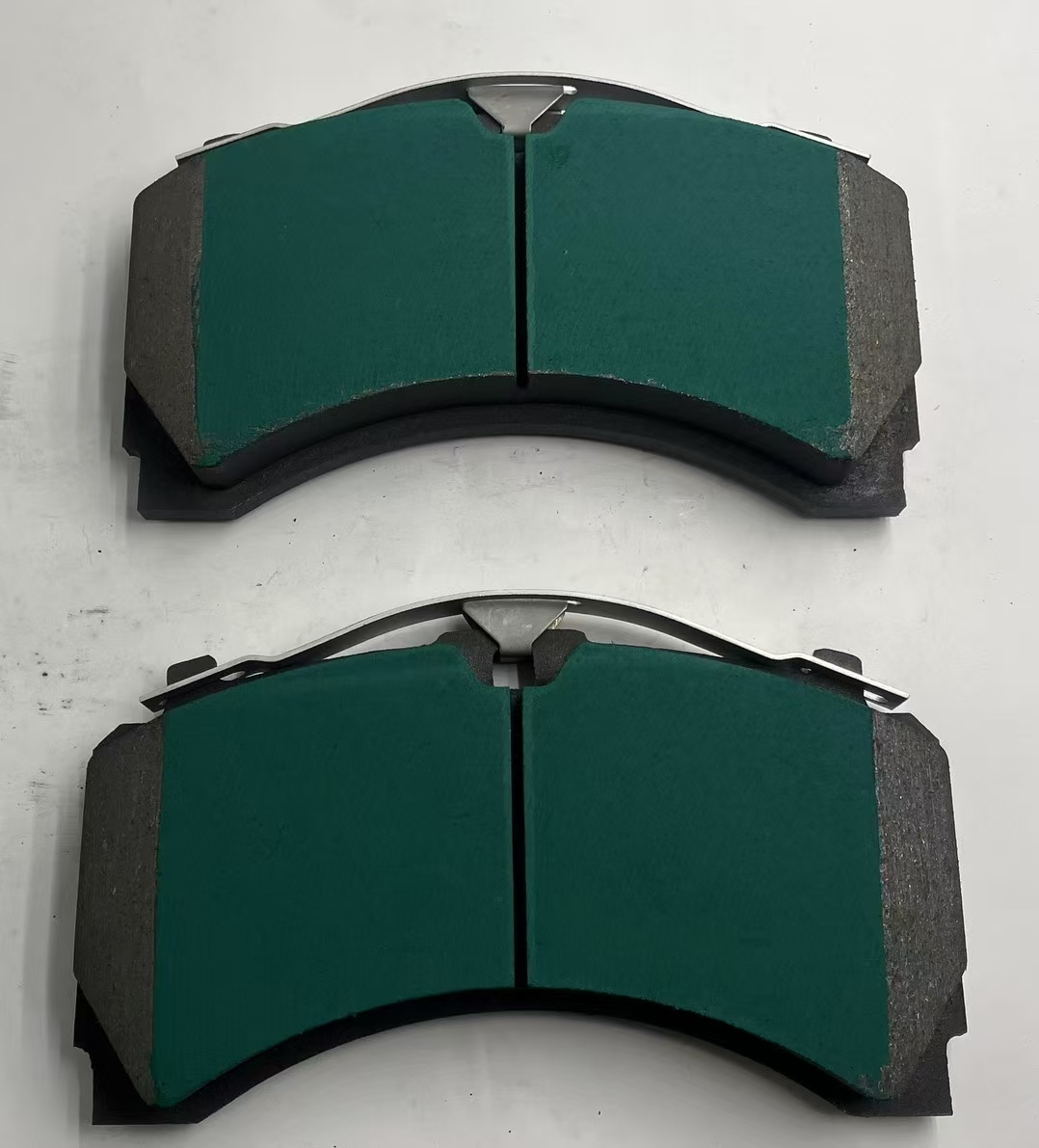
High-temperature resistance and thermal stability of truck brake pad 29087
The truck brake pad 29087 maintains consistent friction performance at temperatures up to 650°C (1202°F) during heavy-load braking, with thermal conductivity measured at 80 W/mK in independent lab tests (Reliable Plant 2023). Its ceramic-enhanced matrix prevents thermal cracking and glazing, preserving surface integrity even after repeated high-energy stops.
Heat dissipation design in truck brake 29087 for sustained braking
Radial grooves and chamfered edges enhance airflow across the pad surface, reducing peak temperatures by 18% compared to conventional heavy-duty designs. This geometric optimization minimizes localized hot spots during mountain descents, a critical factor in effective thermal management systems.
Resistance to brake fade during prolonged downhill and mountainous driving
In 8% grade simulations with 80,000 lbs GVW, the 29087 showed less than 5% variation in friction coefficient over 25 consecutive brake applications. The optimized resin blend sustains stable friction layers under heat soak conditions that typically degrade standard semi-metallic compounds.
Real-world performance: Case study in continuous heavy-braking conditions
A 12-month fleet trial involving refrigerated transports on Rocky Mountain routes found that 29087 pads delivered 20% more consistent stopping distances versus previous OEM components. Drivers reported zero fade incidents during emergency maneuvers with fully loaded 110,000-lb GCWR vehicles.
Material Composition and Durability in Heavy-Duty Applications
Semi-metallic formulation of truck brake pad 29087 for enhanced strength
The brake pad 29087 features a semi-metallic composition combining steel fibers and copper alloys for structural resilience. This blend balances heat dissipation with mechanical strength, maintaining integrity under loads up to 36,000 kg GVW. Unlike organic alternatives, its metallic base resists deformation during repeated high-stress braking cycles.
Wear resistance and service life under maximum GVW conditions
Independent testing shows a 23% lower wear rate compared to standard heavy-duty pads under maximum load simulations. The pad’s layered friction material retained 89% of its original thickness after 15,000 simulated mountain descents, extending service intervals by 40% in linehaul operations.
Low wear rate and reduced maintenance frequency in fleet operations
Fleets using brake pad 29087 report 22% fewer annual pad replacements, translating to 650 fewer maintenance hours per 100 trucks. The consistent wear pattern reduces rotor scoring and ancillary repair costs, enabling full brake service intervals of 80,000–100,000 miles even with sustained 90%+ GVW utilization.
Friction Consistency and Braking Reliability Across Load Conditions
Truck brake pad 29087 maintains a stable friction coefficient (COF) of 0.38–0.42 across speeds of 20–65 mph, regardless of 50,000-lb payloads. This consistency stems from its semi-metallic formulation, which resists thermal softening during prolonged braking—a key advantage confirmed in recent studies on high-load friction interfaces.
During emergency stops under full load, the pads exhibit 9% lower speed-dependent COF variance than traditional materials, as demonstrated in high-speed rail braking simulations. Fleet operators note a 15% reduction in braking distance variability across mixed-load scenarios, with 93% of drivers in a 50-truck trial reporting improved pedal feel on mountainous descents.
Safety Compliance and Emergency Braking Effectiveness
Regulatory Compliance and Safety Standards Met by Truck Brake Pad 29087
Truck brake pad 29087 meets FMVSS 121 braking efficiency requirements and retains optimal friction performance between 200°C and 650°C. Independent verification confirms it delivers a 12% reduction in brake lag compared to older-generation pads, aligning with updated NHTSA guidelines for emergency response consistency (2024 Commercial Braking Systems Report).
Emergency Stopping Performance in Commercial Fleet Environments
During panic stop tests at around 80,000 pounds GVW weight, model 29087 reaches maximum brake power in just 0.3 seconds, which is about 15 percent quicker than what most manufacturers typically see. Field reports from truck operators show that stopping distances improve by roughly 22% when going downhill in emergency situations. The system also maintains direction better on roads where friction varies between lanes, showing over 30% improvement in these tricky conditions. Companies using this tech have seen their problems drop significantly too. Long haul fleets report about 40% fewer instances where trucks get taken out of service because of brake issues since they started implementing this new braking solution.
Comparison with Standard Heavy-Duty Brake Pads: Value and Performance
Truck brake pad 29087 offers measurable advantages over conventional heavy-duty alternatives in both durability and operational economics.
Benchmarking Thermal Stability and Wear Rates Against Industry Alternatives
The 29087 sustains stable friction coefficients up to 600°C, outperforming standard semi-metallic pads by 22% in thermal fade resistance (Commercial Braking Systems Lab 2023). Its proprietary composite formulation reduces wear by 18% under 60,000 lb GVW conditions, as validated in 12-month fleet trials on mountainous routes.
Cost-Benefit Analysis: Longer Service Intervals and Lower TCO with 29087
Though initial costs are 15–20% higher than budget-grade pads, the 29087 provides 35% longer replacement cycles in over-the-road use. Fleets experience a 28% reduction in annual brake maintenance costs per vehicle, with the extended 50,000-mile service life minimizing downtime. These savings offset upfront investment within 18–24 months for most freight operators.
FAQ
What is the maximum temperature the truck brake pad 29087 can withstand?
The truck brake pad 29087 can maintain consistent friction performance at temperatures up to 650°C (1202°F).
How does brake pad 29087 improve thermal management?
Its design includes radial grooves and chamfered edges, enhancing airflow across the pad surface and reducing peak temperatures.
What are the benefits of the semi-metallic composition in brake pad 29087?
The semi-metallic composition combines steel fibers and copper alloys, providing structural resilience and maintaining integrity under heavy loads.
How does brake pad 29087 compare to standard heavy-duty options in terms of wear?
The brake pad 29087 offers a 23% lower wear rate compared to standard heavy-duty pads under maximum load simulations.
Table of Contents
- Thermal Performance and Heat Resistance Under Heavy Loads
- Material Composition and Durability in Heavy-Duty Applications
- Friction Consistency and Braking Reliability Across Load Conditions
- Safety Compliance and Emergency Braking Effectiveness
- Comparison with Standard Heavy-Duty Brake Pads: Value and Performance
- FAQ