EN
EN



What Are Low-Dust Low-Noise Brake Shoes and How Do They Work?
Definition and Function of Low-Dust Low-Noise Brake Shoes
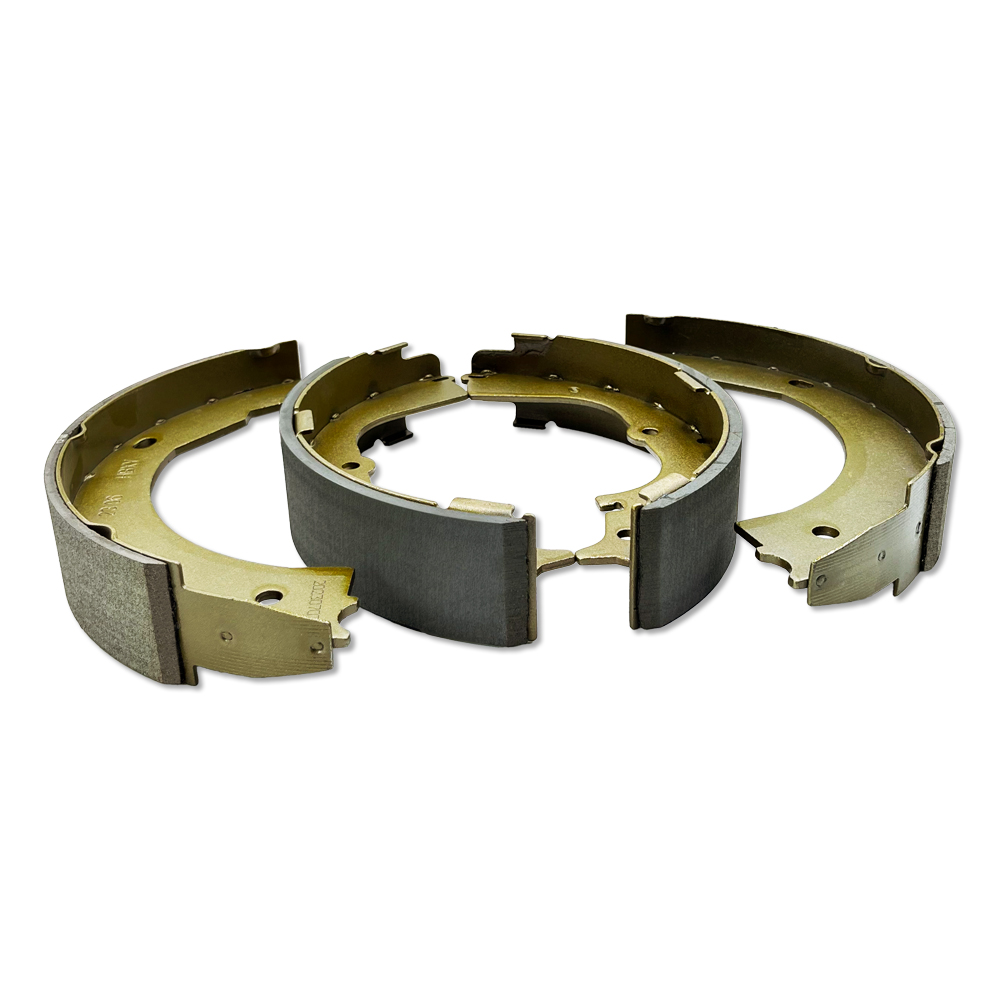
Brake shoes designed for low dust and minimal noise work to cut down on both particle emissions and annoying sounds when stopping. Traditional brake pads tend to leave behind metal bits or organic residue, but modern versions incorporate things like ceramic mixtures instead. The difference is pretty significant actually. Tests show these new pads can keep wheels cleaner by around 80 percent over regular ones. Plus they handle those pesky vibrations that lead to that high pitched brake squeal most drivers hate so much. Car manufacturers have been slowly adopting this technology as consumers demand quieter rides without sacrificing stopping power.
Ceramic Brake Pads: Core Technology Behind Reduced Noise and Dust
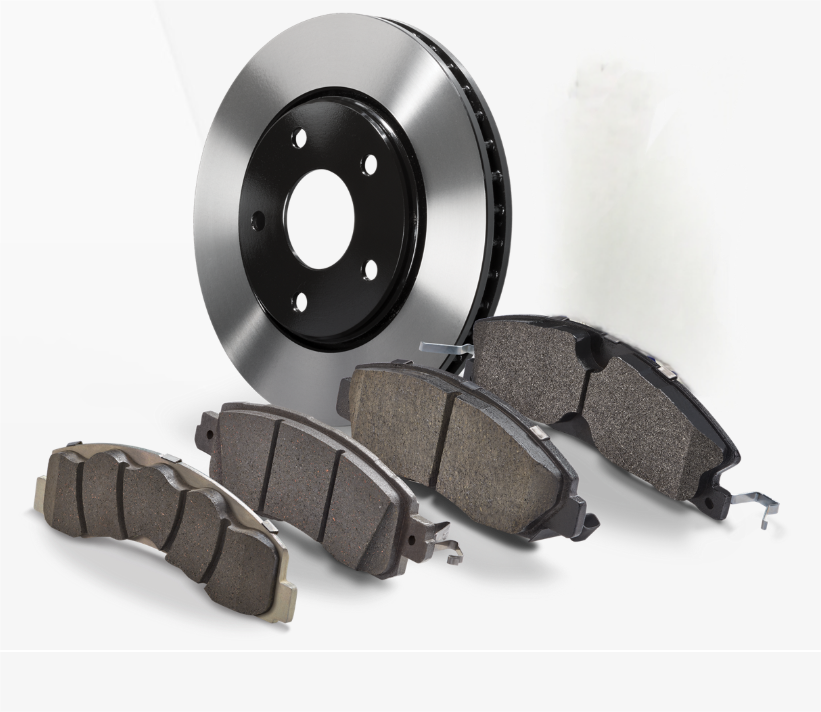
Ceramic brake pads form the foundation of modern low-dust systems. Their composite structure combines ceramic fibers with copper particles, creating a friction surface that generates less heat and wear debris. Key performance characteristics include:
| Property | Ceramic Pads | Organic Pads | Semi-Metallic Pads |
|---|---|---|---|
| Noise Level (dB) | 55-65 | 65-75 | 70-85 |
| Annual Dust Output | 25-40g | 60-90g | 100-150g |
| Average Lifespan | 65,000 miles | 35,000 miles | 50,000 miles |
This design absorbs vibrational energy more effectively through its matrix structure, addressing the high-frequency oscillations that cause brake noise in urban driving conditions.
Comparison With Traditional Semi-Metallic and Organic Brake Materials
Semi metallic brake pads definitely grab hold quickly in performance cars, which is great for stopping power. But there's a downside too these iron and copper based pads since they leave behind all that black metal dust on alloy wheels. Then we have organic pads crafted with glass and rubber mixtures. They don't dirty wheels as much as their semi metallic cousins do, though they tend to wear down quite a bit quicker compared to ceramic options. The low dust systems seem to hit just the right spot somewhere in between. Made with ceramic and non ferrous materials, these pads provide smooth progressive braking while lasting longer and keeping things clean overall. Most drivers find them practical because they combine decent stopping power with minimal mess around the wheel area.
Performance in Real-World Daily Driving Conditions
Reliable braking in stop-and-go traffic with minimal noise
Low-dust low-noise brake shoes deliver consistent stopping power in congested urban driving, with noise levels measuring 6–8 dB lower than semi-metallic alternatives (SAE International 2023). The ceramic friction material dampens high-frequency vibrations that cause squealing, while maintaining a 0.42–0.45 friction coefficient for predictable pedal feel during repetitive stops.
Thermal stability and resistance to brake fade in urban environments
Ceramic brake pads retain 92% of their friction efficiency at 650°F compared to 74% in organic pads, per 2023 brake material testing. This heat resistance prevents the "mushy pedal" effect during extended city driving, where repeated stops can elevate rotor temperatures to 500°F+ in under 15 minutes.
Smooth pedal response and consistent performance over time
Drivers experience linear deceleration curves with minimal force variance (+/- 3%) across the first 20,000 miles of use. Unlike semi-metallic pads that develop glazed surfaces, the porous ceramic matrix maintains uniform contact with rotors, reducing the "break-in" period after installation.
Do quiet brake pads sacrifice stopping power? Addressing the safety myth
Federal Highway Administration data (2022) confirms ceramic brake shoes match conventional pads in wet-condition stopping distances, achieving 60–0 mph in 136 feet vs. 138 feet for semi-metallic equivalents. Advanced chamfered edges prevent edge-loading, ensuring full pad-to-rotor contact without compromising quiet operation.
Brake Dust Reduction and Long-Term Vehicle Maintenance Benefits
Ceramic vs. Semi-Metallic: Measuring Dust Output and Wheel Contamination
The Ponemon Institute found in their 2023 study on brake dust that ceramic brake shoes produce about half as much dust as the old school semi-metallic ones. What makes this happen? Well, these ceramic brakes are made with copper fibers mixed into the ceramic compounds, so when they wear down, they create much smaller particles that aren't as rough on things. The semi-metallic stuff works differently though. Those pads tend to shed bigger chunks of iron and steel bits that stick right onto wheel rims and actually speed up rust formation over time. That's why many mechanics recommend switching to ceramic if keeping wheels clean matters.
| Factor | Ceramic Brake Shoes | Semi-Metallic Brake Shoes |
|---|---|---|
| Dust Volume (per 10k miles) | 0.5 lbs | 1.1 lbs |
| Wheel Cleaning Frequency | Every 3 months | Monthly |
| Corrosion Risk | Low | High |
Lower Cleaning Frequency and Reduced Maintenance Costs
The reduced dust output cuts wheel cleaning frequency by 30% (Fleet Maintenance Report 2022). Owners save $120–$180 annually in car washes and labor costs, while brake component replacements decrease by 22% due to lower abrasive wear. Mechanic inspections also extend from 6-month to 12-month intervals, lowering labor hours per service.
Environmental and Aesthetic Advantages of Cleaner Brake Systems
Ceramic brake pads cut down on dust particles in the air by around 18% when compared to regular brake materials according to EPA data from 2023. This means less stuff floating around that harms the environment. Car owners also tend to see about 40% less grime buildup on their wheels over time, which keeps those rims looking good for longer and helps maintain what the car is worth when they decide to sell it later. Trucking companies and other big vehicle fleets have noticed something too - there's roughly 15% fewer complaints about rust issues coming through on warranties. So while ceramic brakes might cost a bit more upfront, they actually save money in the long run while being better for our planet as well.
Cost-Efficiency and Long-Term Value of Ceramic Brake Pads
Lifespan and Wear Rate Compared to Conventional Brake Pads
Ceramic brake pads demonstrate superior durability, lasting 30,000–70,000 miles compared to organic pads (20,000–40,000 miles) and semi-metallic pads (50,000–70,000 miles). Their advanced composite materials resist thermal degradation, maintaining consistent friction levels even during repetitive urban braking. This reduces uneven rotor wear, which accelerates replacement cycles in conventional alternatives.
| Brake Pad Type | Average Lifespan | Upfront Cost Range |
|---|---|---|
| Ceramic | 30k–70k miles | $150–$250 |
| Organic | 20k–40k miles | $50–$100 |
| Semi-Metallic | 50k–70k miles | $80–$150 |
Total Cost of Ownership: Higher Upfront Cost vs. Longer Service Intervals
While ceramic pads cost 30–50% more initially, their extended lifespan cuts replacement frequency by 40% over a vehicle’s lifetime. For example:
- Organic pads: Replaced 3 times every 90,000 miles = $300–$600 (excluding labor)
- Ceramic pads: Replaced once every 70,000 miles = $150–$250
Add reduced maintenance costs from 70% less dust output, lowering wheel cleaning frequency and corrosion risks.
Why Premium Brake Shoes Are Increasingly Adopted Despite Price
Drivers prioritize long-term savings (15–20% lower lifetime costs) alongside quieter operation (<50 dB vs. 60+ dB in organic pads) and environmental benefits (40% fewer discarded brake components). Fleet operators report a 25% reduction in brake-related downtime after switching, validating ceramic pads’ value proposition for daily urban use.
FAQs
What are low-dust low-noise brake shoes?
Low-dust low-noise brake shoes are advanced brake components designed to reduce the dust and noise typically associated with braking. They utilize ceramic materials to minimize metal shedding and dampen vibrations.
How do ceramic brake pads work?
Ceramic brake pads work by using ceramic fibers combined with copper particles to create a friction surface. This combination generates less heat and wear debris, resulting in quieter and cleaner braking.
Are ceramic brake pads more expensive?
Initially, ceramic brake pads may cost more than traditional pads. However, their durability and reduced maintenance needs often lower total ownership costs over time.
Do low-dust brake pads affect stopping power?
No, low-dust brake pads, such as ceramic ones, maintain comparable stopping power under various conditions, including wet surfaces, without sacrificing safety.
What are the maintenance benefits of ceramic brake pads?
Ceramic brake pads produce less dust, reducing cleaning frequency and maintenance costs. They also contribute to longer intervals between brake component replacements.