EN
EN



Metallic Grinding or Squealing Noises: Audible Warnings of Brake Pad Wear
Phenomenon: How Worn Brake Pads Produce High-Pitched Squeals and Grinding Sounds
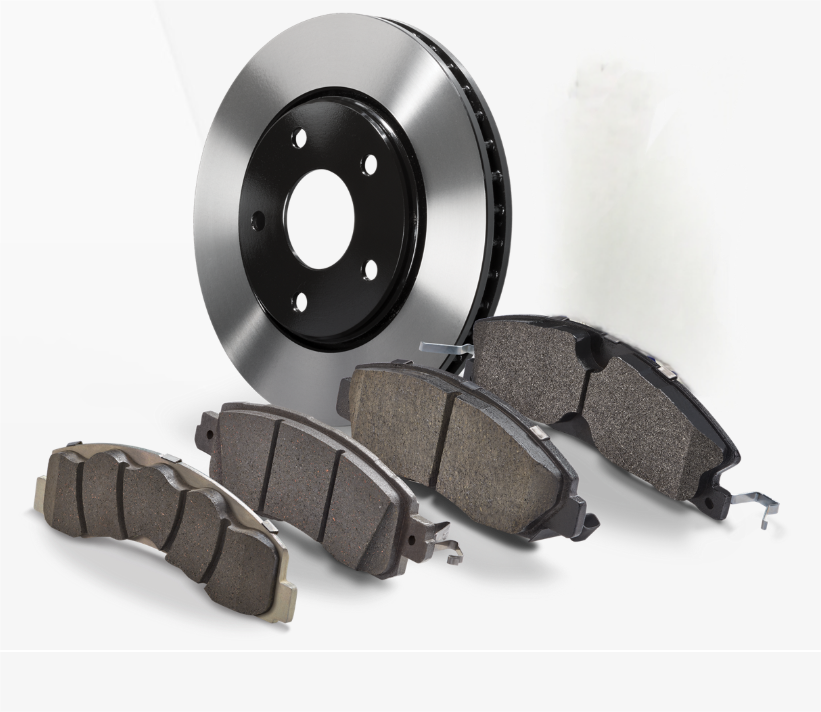
That annoying high pitch squeak when hitting the brakes? It's basically your car telling you those brake pads need replacing soon. Inside most brake systems there are these little metal tabs attached to the pads. When the pad material gets worn down enough, those tabs start touching the rotor surface, making all that noise we hear. The squealing tends to get worse as time goes on because the pads keep wearing away. Eventually, when there's nothing left but the metal backing plate, it starts grinding straight against the rotor. What happens next isn't pretty at all. Metal scraping metal creates serious vibrations through the whole vehicle while wearing down the rotors much faster than normal. And once this happens, stopping power drops off dramatically, which is definitely something nobody wants when driving down the highway.
Principle: The Role of Wear Indicators and Metal-to-Metal Contact
The wear indicator on brake pads is designed to create that annoying squealing noise once the material gets down to about 3mm thick. This serves as a warning sign long before serious problems start happening. If drivers ignore that sound, the metal backing plate behind the pad will start scraping against the rotor. What happens next? A lot of heat builds up, sometimes getting hotter than 600 degrees Fahrenheit. All this intense heat can actually bend or warp the rotor over time. And warped rotors mean less effective brakes. Studies show braking performance can drop around 40% in these situations, which makes accidents much more likely when someone needs to stop quickly.
Evidence: NHTSA Data on Noise-Related Brake Failures (2022–2023)
The National Highway Traffic Safety Administration reported something interesting between 2022 and 2023 about car brakes. They found that around 15% of all problems related to braking systems involved grinding sounds coming from somewhere under the hood. When drivers ignore those annoying squeals, their cars tend to reach the point where metal parts rub together almost four times quicker compared to vehicles where mechanics got called right away. And let's talk money for a second. Putting off repairs until it's too late adds roughly $480 to what would otherwise be normal fixing expenses because rotors get damaged unnecessarily. So next time that strange noise starts up while driving, don't just tune it out. Those sounds might actually be telling us something important about our safety on the road.
Vibration or Pulsation in the Steering Wheel: Linking Brake Pad Wear to Rotor Damage
Phenomenon: Steering Wheel Shake Caused by Warped Rotors and Uneven Pad Contact
Steering wheel vibrations when braking usually point to either warped rotors or problems with how the brake pads make contact. Rotors tend to get warped over time because of all those repeated heating and cooling cycles from regular driving. These warped spots create an uneven surface. Brake pads pressing down on these bumpy areas send pulsing sensations throughout the whole brake system, right up into the steering column where drivers can really feel them, especially when going fast on highways. If the brake pads themselves are glazed over or have gotten contaminated somehow, this makes things even worse as the friction becomes inconsistent, causing that annoying shudder sensation while stopping.
Principle: How Thickness Variation Alters Resonance and Braking Performance
Rotors with thickness variation (runout) disrupt smooth contact with the brake pads, leading to uneven clamping force. This inconsistency causes resonant vibrations that:
- Amplify pedal pulsation due to fluctuating hydraulic pressure
- Extend stopping distances by up to 15% on compromised surfaces
- Accelerate wear on calipers and suspension components through repeated stress
Additionally, thermal degradation reduces the friction coefficient of pads, particularly during sustained braking, diminishing overall stopping power.
Vehicle Pulling to One Side: Diagnosing Brake Pad Imbalance and System Asymmetry
Phenomenon: Uneven Brake Pad Wear Versus Hydraulic System Issues
If a car starts drifting to one side when the brakes are applied, this usually means something isn't right with how the brakes work on both sides. Most often, this happens because the brake pads have worn down unevenly over time or there's an issue with the hydraulic system. When pads on one wheel get thinner than those on the other, they create different amounts of friction, which makes the car pull towards whichever side still has good stopping power. Problems with hydraulics like calipers getting stuck, brake fluid leaking out, or air bubbles forming in the brake lines will mess with pressure balance too, causing similar pulling sensations. The result? Stopping distances might increase by around 30 percent, making emergency stops much riskier. Mechanics typically check pad thickness across all wheels and test hydraulic pressure points to figure out if worn parts need replacing or if there's a deeper fluid system problem going on.
Soft Brake Pedal and Longer Stopping Distance: The Safety Impact of Worn Brake Pads
Worn brake pads compromise safety through reduced hydraulic responsiveness and diminished thermal resistance.
Phenomenon: Increased Compressibility and Thermal Fade in Degraded Brake Pads
When brake pads wear down past about 3mm thick, what's left starts getting all puffy and spongey because it soaks up brake fluid. At the same time, these worn out pads just can't handle heat anymore. According to some SAE research, old pads actually lose somewhere between 40 and 60 percent of how well they resist high temps. What happens next is called thermal fade. Basically, once things get hotter than 600 degrees Fahrenheit around the brakes, there's this momentary drop in friction. Drivers will notice they have to push the brake pedal much further down (like 20 to 30% extra distance) just to stop the car as effectively as before. This makes for some pretty frustrating driving experiences, especially during long descents or heavy braking situations.
Trend: Real-World Stopping Distance Trends (IIHS Benchmarks, 2023)
Testing done by IIHS last year showed something pretty alarming. Cars with brake pads down to just 2mm thickness took 189 feet to come to a complete stop from 60 mph, which is way more than the 167 feet needed when the pads are fresh. That extra distance? About what it takes to drive completely through a four lane intersection before coming to rest. And things get even worse when roads are wet. The stopping distance jumps another 37 feet, making those emergency stops far more dangerous than most people realize. Bottom line? Putting off replacing worn brake pads isn't just about saving money on maintenance costs anymore. It's actually putting lives at risk whenever someone hits the brakes suddenly.
FAQ
What are common signs that my brake pads are worn out?
Common signs of worn brake pads include squealing noises, grinding sounds, vibration in the steering wheel, and a vehicle pulling to one side when braking.
How often should I check my brake pads?
It is recommended to check your brake pads during regular maintenance, which can be every 6 months or after about 12,000 miles, depending on driving conditions.
What happens if I ignore noise from my brakes?
Ignoring brake noise can lead to metal-to-metal contact, damaging the rotors and increasing repair costs. Moreover, it can compromise vehicle safety.
How does brake pad thickness affect stopping distance?
If brake pads are too thin, the stopping distance can increase significantly, making it harder to stop the vehicle safely in emergency situations.
Table of Contents
- Metallic Grinding or Squealing Noises: Audible Warnings of Brake Pad Wear
- Vibration or Pulsation in the Steering Wheel: Linking Brake Pad Wear to Rotor Damage
- Vehicle Pulling to One Side: Diagnosing Brake Pad Imbalance and System Asymmetry
- Soft Brake Pedal and Longer Stopping Distance: The Safety Impact of Worn Brake Pads
- FAQ