EN
EN



What Is the Auto AC Hose Galaxy? Core Types, Materials, and Performance Specs
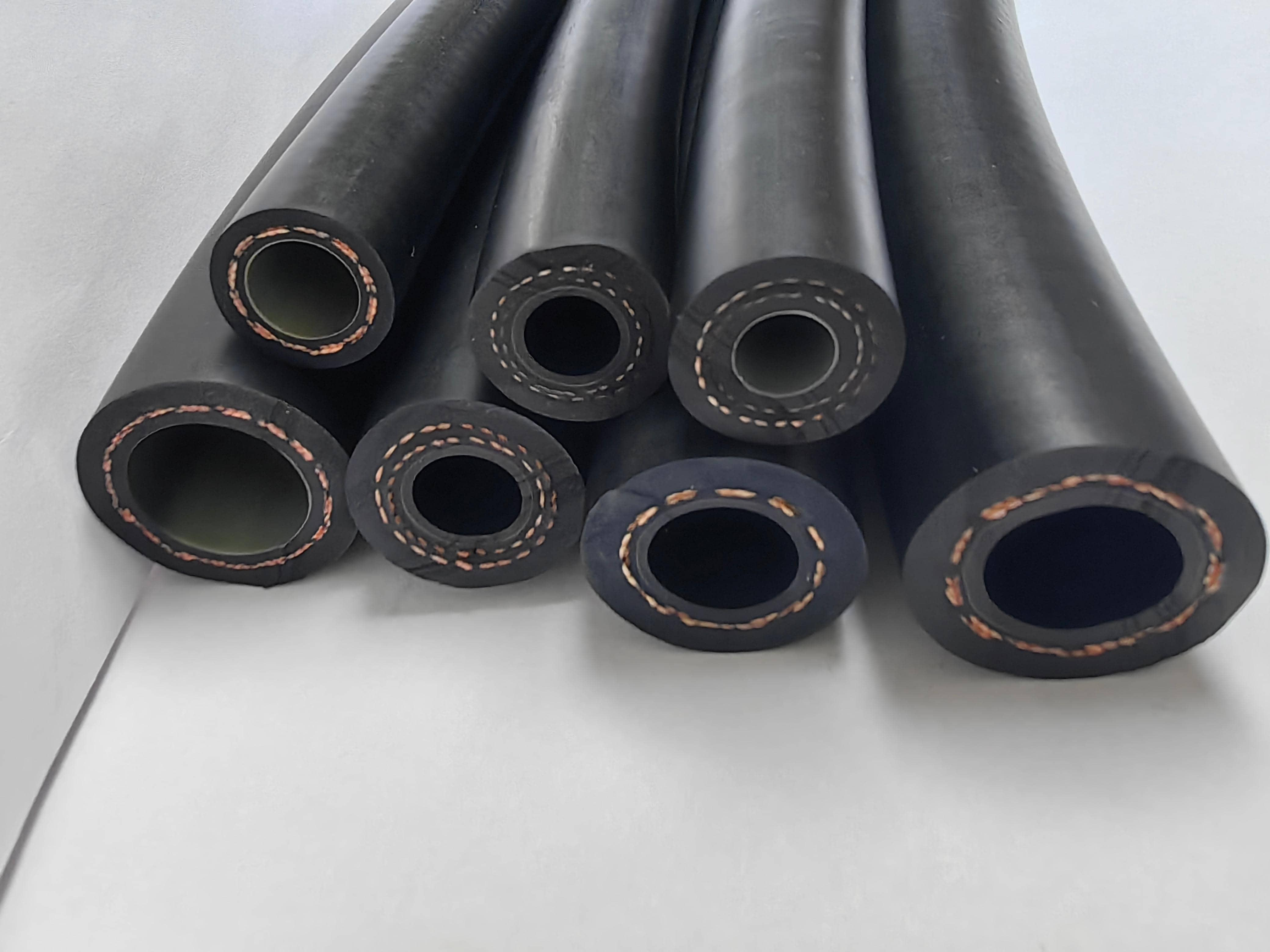
The auto AC hose galaxy refers to the interconnected network of specialized hoses that transport refrigerant through a vehicle’s air conditioning system. These hoses must withstand extreme pressures, temperatures, and chemical exposure to maintain cooling efficiency.
High-pressure vs. low-pressure hoses: functional roles and system-critical design differences
The high-pressure hoses, also known as discharge lines, transport compressed refrigerant from the compressor all the way to the condenser. These need to withstand pressures going up to around 500 PSI. On the other hand, low-pressure hoses or suction lines bring back the vaporized refrigerant to the compressor operating below 150 PSI. Their design focuses on being flexible enough to soak up those annoying engine vibrations. Putting a low pressure hose where it doesn't belong in a high-pressure situation is asking for trouble. Such mismatches often result in failures pretty quickly. And when they fail, refrigerant gets lost which ends up costing shop owners about $740 each year per vehicle according to Ponemon's 2023 study.
Material science matters: silicone, EPDM rubber, and reinforced PVC in the auto AC hose galaxy
Modern AC hoses use multi-layered construction for durability and efficiency:
- EPDM rubber resists ozone and heat degradation up to 150°C (302°F).
- Nylon inner liners reduce refrigerant permeation by 80% compared to single-layer designs.
- Steel-wire reinforcement prevents swelling during pressure cycles.
Silicone offers superior cold-weather flexibility but costs three times more than EPDM-PVC hybrids. Material compatibility with refrigerants like R134a or R1234yf is critical—mismatches account for 37% of AC system failures (SAE 2022).
Vehicle-Specific Fitment: Matching the Auto AC Hose Galaxy to Your Car’s System
OEM compatibility decoding: refrigerant type (R134a, R1234yf), line diameter, and flange geometry
Getting the right refrigerant compatibility matters a lot for how well an AC system works. Systems using R134a versus those running on R1234yf need hoses that handle different levels of permeability and stand up to varying pressures. When someone grabs the wrong hose for their setup, it tends to wear down seals much faster than normal. The size really counts too. Just a tiny difference like 1mm in the line diameter might slow down refrigerant flow significantly. And if the flanges don't match properly, the O-rings won't compress correctly either. These issues combined account for about 9 out of every 10 hose failures we see during thermal cycling tests. Before picking any parts though, double-check what the manufacturer actually recommends for compatibility. No sense cutting corners when it comes to something this critical.
Model-year nuances: why a 2015 Camry hose won’t reliably fit a 2022 Accord—even with identical refrigerant
Shared refrigerant types don’t ensure cross-compatibility. Post-2018 models often feature redesigned routing paths and connector angles to accommodate electric compressors and meet evolving NVH and crash safety standards. For example, a 2022 Accord’s hose may appear similar to a 2015 Camry’s but typically includes:
- 15° tighter bend radius tolerance
- Reinforced internal webbing for enhanced vibration resistance
- Quick-connect fittings instead of threaded collars
Field data shows improper matches increase leak risk by 67% within 18 months.
Installation Integrity: Preventing Leaks Through Proper Auto AC Hose Galaxy Connections
O-ring selection, flare types (SAE, ISO, bubble), and torque-critical sealing for the auto AC hose galaxy
Getting good seals is really where leak prevention starts. The right O-ring material matters a lot depending on what refrigerant we're dealing with. For R134a, regular nitrile works fine, but when it comes to R1234yf with those higher pressures, we need hydrogenated nitrile instead. Different vehicle makes require different flare connections too. Most American cars use the 45 degree SAE flare, European models typically stick with the 30 degree ISO version, and Japanese systems often rely on bubble flares for proper sealing. Torque specifications are super important here. If something isn't tight enough, leaks happen. But go too far and we risk cracking the flange itself. According to research published by SAE International in 2023, applying the correct torque can cut down on leaks by about 80%. Bubble flares especially hold up well in temperature extremes ranging from minus 40 degrees all the way up to 300 degrees Fahrenheit. And remember to always do a pressure test on any new connection point, pushing it to 150% of normal operating pressure before actually filling the system.
Crimping standards and hose-end integrity: when aftermarket kits meet OEM-level reliability
Aftermarket kits achieve OEM reliability through adherence to industrial crimping standards. High-grade crimping machines apply 20,000 PSI to create permanent, leak-resistant bonds capable of withstanding 500+ PSI operating pressures. Validated kits follow SAE J2064 standards, requiring:
| Validation Test | OEM Standard | Aftermarket Threshold |
|---|---|---|
| Burst Pressure | 1,500 PSI | 1,200+ PSI |
| Vibration Resistance | 10 million cycles | 8 million cycles |
| Thermal Shock Cycles | 1,000 | 750+ |
Microscopic inspection of crimp cross-sections ensures uniform compression without fractures. Kits meeting these benchmarks deliver leak-free performance comparable to factory parts for five or more years. Inspect crimp collars for concentric rings—gaps indicate flawed installation.
Sourcing the Right Auto AC Hose Galaxy: Supplier Evaluation and Kit Selection Criteria
When looking for the correct auto AC hoses, suppliers need to be evaluated carefully. Look for companies that have proper quality control certifications, can show where their materials come from, and provide documentation that meets SAE requirements. What matters most? Refrigerant compatibility is essential whether it's R134a or R1234yf. The burst pressure should beat OEM specifications by around 20 percent, and the hoses must work reliably across extreme temperatures ranging from minus 40 degrees Fahrenheit all the way up to plus 300 degrees. Getting this wrong can lead to problems down the road. According to industry data from SAE International in 2023, about one third of AC system failures actually stem from mismatched flange sizes or incorrect diameters.
| Evaluation Factor | Critical Checkpoints | Impact on Performance |
|---|---|---|
| Material Integrity | EPDM/NBR rubber compounds, reinforcement layers | Prevents ozone cracking |
| Pressure Rating | Minimum 500 PSI burst strength | Avoids rupture under load |
| Thermal Tolerance | -40°F to +300°F operational range | Resists refrigerant degradation |
| Vehicle Matching | OEM flange geometry, line diameter tolerance | Eliminates leak points |
Always check what suppliers say against what's written in the service manual for the car. Good quality shops usually have those compatibility charts based on VIN numbers, which helps avoid mistakes during installation something that can save headaches later on. When dealing with complicated retrofit jobs, grab a copy of our special AC hose guide that explains all those pressure and diameter relationships. Kits that come pre-crimped with proper O-rings tend to work better most of the time compared to buying bulk hoses that might not even fit right because they miss those specific adapters needed for particular vehicles. Spend money on parts that carry proper certifications instead of cheaper alternatives. Inferior materials just don't last when exposed to heat over long periods, and before anyone knows it, there are constant breakdowns and expensive fixes down the road.
FAQ Section
What are the main types of hoses in the auto AC hose galaxy?
There are high-pressure discharge lines and low-pressure suction lines. Each type is designed to handle different pressure levels and perform specific roles in the AC system.
Why is material selection crucial for auto AC hoses?
Material selection is vital due to exposure to extreme temperatures and pressures. For example, EPDM rubber resists heat degradation and ozone exposure, while steel-wire reinforcement prevents swelling.
What factors impact AC hose compatibility with vehicles?
Key factors include refrigerant type, line diameter, and flange geometry. Different vehicles require specific hoses that match their system design to prevent leaks and failures.
How do aftermarket kits compare to OEM hoses?
Aftermarket kits can meet OEM reliability if they follow industrial crimping standards and SAE requirements, providing permanent, leak-resistant bonds.
Table of Contents
- What Is the Auto AC Hose Galaxy? Core Types, Materials, and Performance Specs
- Vehicle-Specific Fitment: Matching the Auto AC Hose Galaxy to Your Car’s System
- Installation Integrity: Preventing Leaks Through Proper Auto AC Hose Galaxy Connections
- Sourcing the Right Auto AC Hose Galaxy: Supplier Evaluation and Kit Selection Criteria