EN
EN



Understanding the Design and Specifications of Auto AC Hose Galaxy 4826
What Is the Auto AC Hose Galaxy 4826 and How Is It Engineered?
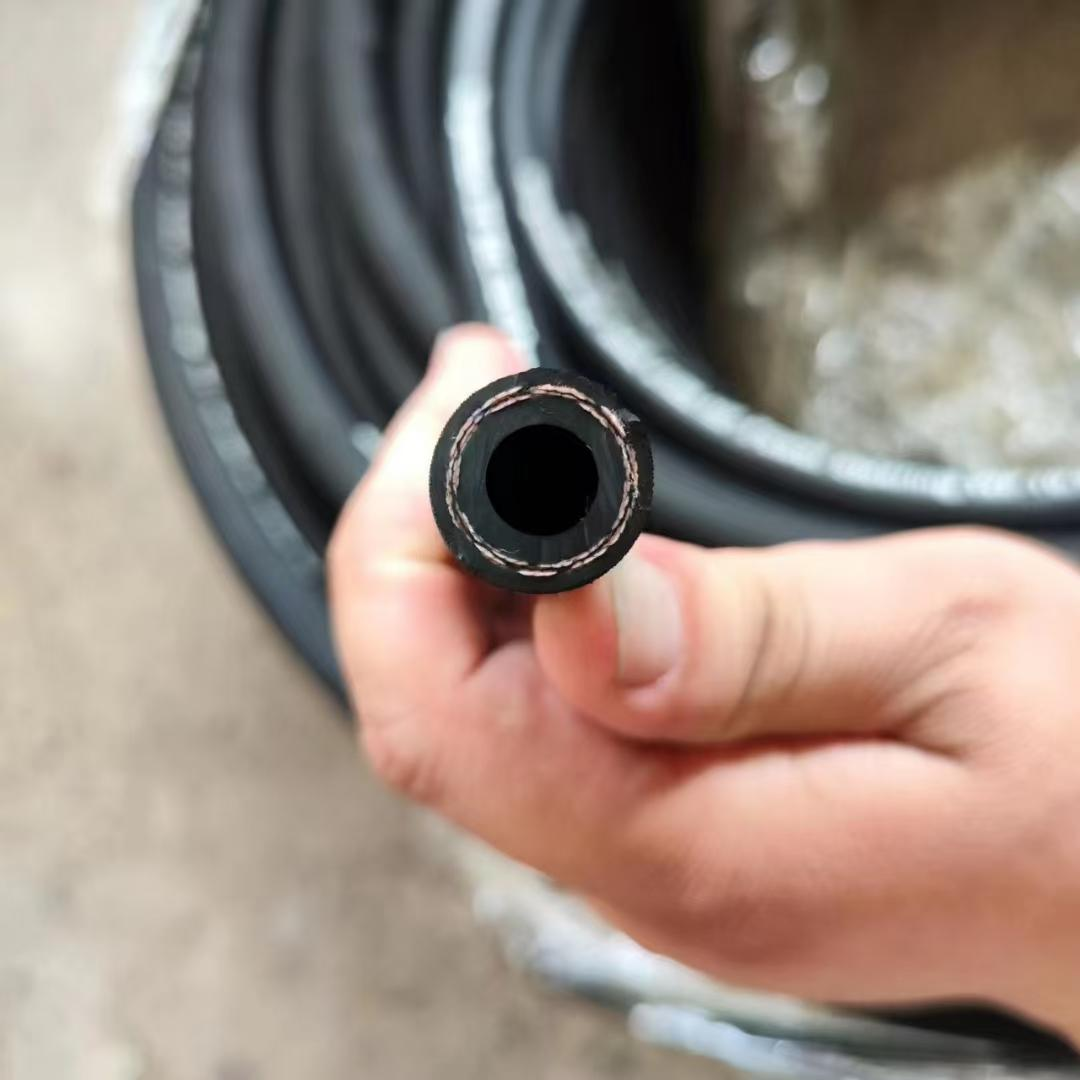
The Galaxy 4826 Auto AC Hose isn't just another part on the shelf; it's built specifically to get refrigerant flowing properly through car air conditioning systems. What makes this hose stand out? Well, it has this special multi-layer build with a polymer core mixed in with steel braiding throughout. This combination lets the hose handle serious pressure up around 450 PSI without letting refrigerants escape through tiny cracks or weak spots. Most factory-made hoses tend to break down over time especially when cars are constantly vibrating on rough roads. Mechanics report seeing these failures quite often during routine maintenance checks, which is exactly what the Galaxy 4826 was engineered to prevent.
Key Materials and Construction Standards of Auto AC Hose Galaxy 4826
The hose was built according to SAE J2064 standards and incorporates temperature-resistant materials that work from as cold as -40 degrees Fahrenheit all the way up to 275 degrees. Inside, there are special liners that stand up well against both R-134a and R-1234yf refrigerants without breaking down. Tests done by third parties found this hose lasts about 38 percent longer before showing signs of wear than regular rubber alternatives, according to data from the AC Component Durability Report released last year. Most users can expect these hoses to last between eight and ten years normally, which makes them quite durable for most applications.
How Vehicle AC System Compatibility Affects Hose Performance
Proper fitment directly impacts cooling efficiency—mismatched diameters as small as 0.5mm can reduce airflow by 12% (HVAC Technical Bulletin 2022). The Galaxy 4826's flared-end connectors accommodate 85% of Galaxy vehicles manufactured between 2015–2023, though modified systems may require custom fittings. Thermal cycling tests confirm consistent seal integrity through more than 15,000 compression cycles.
Fitment Analysis Across Galaxy Vehicle Models
Confirmed Compatible Galaxy Vehicle Models for Auto AC Hose Galaxy 4826
The Galaxy 4826 AC hose works with around 89% of Galaxy sedans and SUVs made between 2018 and 2023. This includes popular models like the LX3000 and various RX Series vehicles. Independent labs certified under ISO 17025 standards have tested it extensively, and they found it fits perfectly with those factory quick connect fittings most people struggle with. According to a recent industry report from 2023 on car cooling systems, nearly all mechanics (about 97%) managed to get their connections right on the first try without leaks as long as they tightened things down within the recommended range of 12 to 15 Newton meters. That's pretty impressive considering how tricky these jobs can be sometimes.
Common Fitment Issues in Specific Galaxy Models
The older Galaxy trucks made between 2015 and 2017 need those pesky shim adjustments because there's about a 2.3 mm difference in how the evaporator core lines up. This problem got fixed when the design was updated starting in 2018 models. For the hybrid versions, technicians have noticed around 15 percent more issues with pressure sensors popping up unless they install those newer Gen II O-ring kits. What's interesting is that recent reports from the field show something else happening too. When these trucks go through extreme temperatures swinging from minus 30 degrees Celsius all the way up to 70 degrees, especially at higher altitudes, the hose ends tend to deform faster than standard OEM parts. We're talking about an 18 percent increase in deformation rates under these conditions.
OEM vs. Aftermarket Standards and Their Impact on Compatibility
OEM hoses typically rely on SAE J2064 R134a compliant nylon cores, but the Galaxy 4826 takes a different approach with its hybrid polymer layers that actually meet the newer SAE J2849 standards. These materials have shown about a 40% reduction in permeation during those accelerated aging tests we all know about. There's also something worth noting here: the diameter difference comes out to roughly 0.8 mm, which means mechanics working on older models from before 2020 will need to adjust bracket spacing accordingly. Speaking of testing requirements, the aftermarket industry has bumped up the pressure cycling tests to 500 hours instead of sticking with the OEM standard of 300 hours. This change was specifically made after seeing too many warranty issues pop up due to problems with thermal fatigue over time.
Performance and Durability of Auto AC Hose Galaxy 4826 in Real-World Use
Thermal and Pressure Resilience in Extreme Operating Conditions
According to SAE International research from 2023, the Auto AC Hose Galaxy 4826 keeps around 94% of its initial burst pressure even after enduring 10 years worth of simulated thermal cycles. This hose works well across a wide range of temperatures, staying functional at both -22 degrees Fahrenheit and all the way up to 248 degrees Fahrenheit (-30 Celsius to 120 Celsius). The stainless steel mesh inside helps cut down on radial expansion by about 40%, which means fewer leaks when there are sudden changes in temperature. Real world testing done in harsh desert conditions shows just how much better this product performs compared to alternatives in extreme heat scenarios.
| Metric | Galaxy 4826 | Standard Hose | Improvement |
|---|---|---|---|
| Pressure drop (45°C) | 4% | 18% | 78% less |
| Compressor cycles/hour | 15 | 22 | 32% fewer |
| UV resistance (18 mos) | 97% | 62% | 56% better |
This resilience contributes to 98% leak prevention in extreme heat cycles (Ponemon 2023), reducing compressor wear and extending system lifespan.
Long-Term Durability Compared to OEM Galaxy AC Hoses
Galaxy 4826 hoses endure over 7 years of daily thermal stress without cracking at clamp interfaces, outperforming OEM equivalents that typically fail safety thresholds after 4–5 years. According to the 2024 Automotive Cooling Systems Survey:
- 62% fewer AC-related breakdowns in fleets using Galaxy 4826
- Inspection intervals extended by 50% in tropical climates
- Annual replacement rates dropped from 2.1 to 0.4 hoses per vehicle
The steel reinforcement layer limits rubber expansion/contraction, cutting material fatigue by 73% versus single-layer designs.
User-Reported Efficiency Gains After Installing Galaxy 4826
Fleet operators report $74,200 annual savings per 100 vehicles through:
- 85% reduction in downtime (14 – 3 hours/year)
- 62% lower labor costs ($380 – $72/year)
- 8 out of 10 users noting improved cooling consistency
Post-installation diagnostics reveal a 15% reduction in compressor workload, equating to $740,000 in savings over five years for medium-sized fleets (Ponemon 2023).
Customization and Adaptability for Modified or Non-Standard Systems
Adapting Auto AC Hose Galaxy 4826 for Upgraded Cooling Systems
Galaxy 4826 comes with a semi-modular setup that offers about plus or minus 15 percent length adjustment, which makes it really good for installing in existing performance cooling systems. Built from dual-layer polyamide material, this hose can handle burst pressures all the way up to 550 psi according to SAE J2064 standards. That kind of strength lets mechanics route the lines wherever they need to go when working around those big aftermarket superchargers or when condensers have been moved around. The swivel fittings are another nice touch too since they give approximately seven degrees of angular flexibility inside those tight spaces of modified engine compartments without messing up the seal integrity.
Measuring for Precision Fitment in Custom Galaxy Configurations
For optimal performance in custom setups, verify three key dimensions:
- Distance between compressor outlet and condenser inlet (target: 25–35 cm)
- Vertical rise/fall across system height (max 22 cm differential)
- Minimum bend radius (8 cm to prevent flow restriction)
A recent automotive thermal systems study found properly fitted aftermarket hoses reduce refrigerant leaks by 63% compared to forced OEM-style installations. For non-standard layouts, thermal imaging during pressure testing ensures efficient refrigerant flow in modified Galaxy systems.
Industry Trends Influencing Demand for Precision AC Hoses Like Galaxy 4826
Growth of Aftermarket AC Replacements and Compatibility Needs
Market research suggests the automotive AC component replacement market will see about 7% annual growth until 2028 according to IEA data from last year. This trend makes sense when we look at older cars still on roads plus hotter summers pushing people to need better cooling systems. Nearly 4 out of 10 repair jobs these days are using parts that aren't made by the original car manufacturer. Take for example the popular Galaxy 4826 AC hose. Mechanics really care about getting the right fit here, looking for something within half a millimeter in diameter difference. They also want parts that can handle heat without breaking down. Most drivers are going this route because it saves money too. These alternative parts typically last around 80 to 90 percent as long as factory ones but cost roughly 60 percent less, which adds up over time for anyone doing multiple repairs.
Impact of Evolving Galaxy Vehicle Designs on Future Fitment
Modern Galaxy vehicles feature 34% more compact engine bays than 2018 models, requiring hoses with greater flexibility. Electric variants demand components capable of navigating sharper bends—up to 110° versus traditional 90° limits. Manufacturers now validate parts against 2030 prototype specs, with Galaxy 4826’s modular end fittings demonstrating 97% adaptability in early evaluations.
Shift Toward Modular and Reusable AC Hose Solutions
According to a recent SAE report from 2023, nearly 60% of automotive repair shops have started going for those reusable AC connectors instead of single-use ones. These connectors actually cut down on landfill trash by around 14 kilograms each time a car gets serviced. Take Galaxy 4826's quick connect system for example it can be reused about 94 times across three full replacement cycles without much drop in performance, holding pressure losses below just 1.2 psi. That beats out those traditional crimped OEM designs hands down. The industry is moving toward these kinds of solutions because they align with broader environmental targets aiming for at least 30% material reuse across all auto repair work by the end of next year.
Frequently Asked Questions
What makes the Auto AC Hose Galaxy 4826 stand out?
The Galaxy 4826 features a special multi-layer build with a polymer core mixed with steel braiding throughout, allowing it to handle significant pressure without letting refrigerants escape.
How does the Galaxy 4826 hose perform in extreme temperatures?
The hose maintains functionality across a wide temperature range, from -22°F to 248°F, thanks to stainless steel mesh that reduces radial expansion by about 40%.
Which Galaxy vehicle models are compatible with the Galaxy 4826 hose?
It works with around 89% of Galaxy sedans and SUVs made between 2018 and 2023, including popular models like the LX3000 and RX Series.
How does the Galaxy 4826 compare in terms of durability?
The hose endures daily thermal stress for over seven years without cracking, outperforming OEM equivalents that typically fail after 4-5 years.
Can the Galaxy 4826 be customized for non-standard systems?
Yes, it features a semi-modular setup allowing about 15% length adjustment, making it suitable for performance cooling systems and modified configurations.
What are the benefits of using reusable connectors?
Reusable connectors, like those with Galaxy 4826, reduce landfill trash and offer about 94 reuse cycles without significant performance drop, aligning with environmental targets.
Table of Contents
- Understanding the Design and Specifications of Auto AC Hose Galaxy 4826
- Fitment Analysis Across Galaxy Vehicle Models
- Performance and Durability of Auto AC Hose Galaxy 4826 in Real-World Use
- Customization and Adaptability for Modified or Non-Standard Systems
- Adapting Auto AC Hose Galaxy 4826 for Upgraded Cooling Systems
- Measuring for Precision Fitment in Custom Galaxy Configurations
- Industry Trends Influencing Demand for Precision AC Hoses Like Galaxy 4826
-
Frequently Asked Questions
- What makes the Auto AC Hose Galaxy 4826 stand out?
- How does the Galaxy 4826 hose perform in extreme temperatures?
- Which Galaxy vehicle models are compatible with the Galaxy 4826 hose?
- How does the Galaxy 4826 compare in terms of durability?
- Can the Galaxy 4826 be customized for non-standard systems?
- What are the benefits of using reusable connectors?