EN
EN



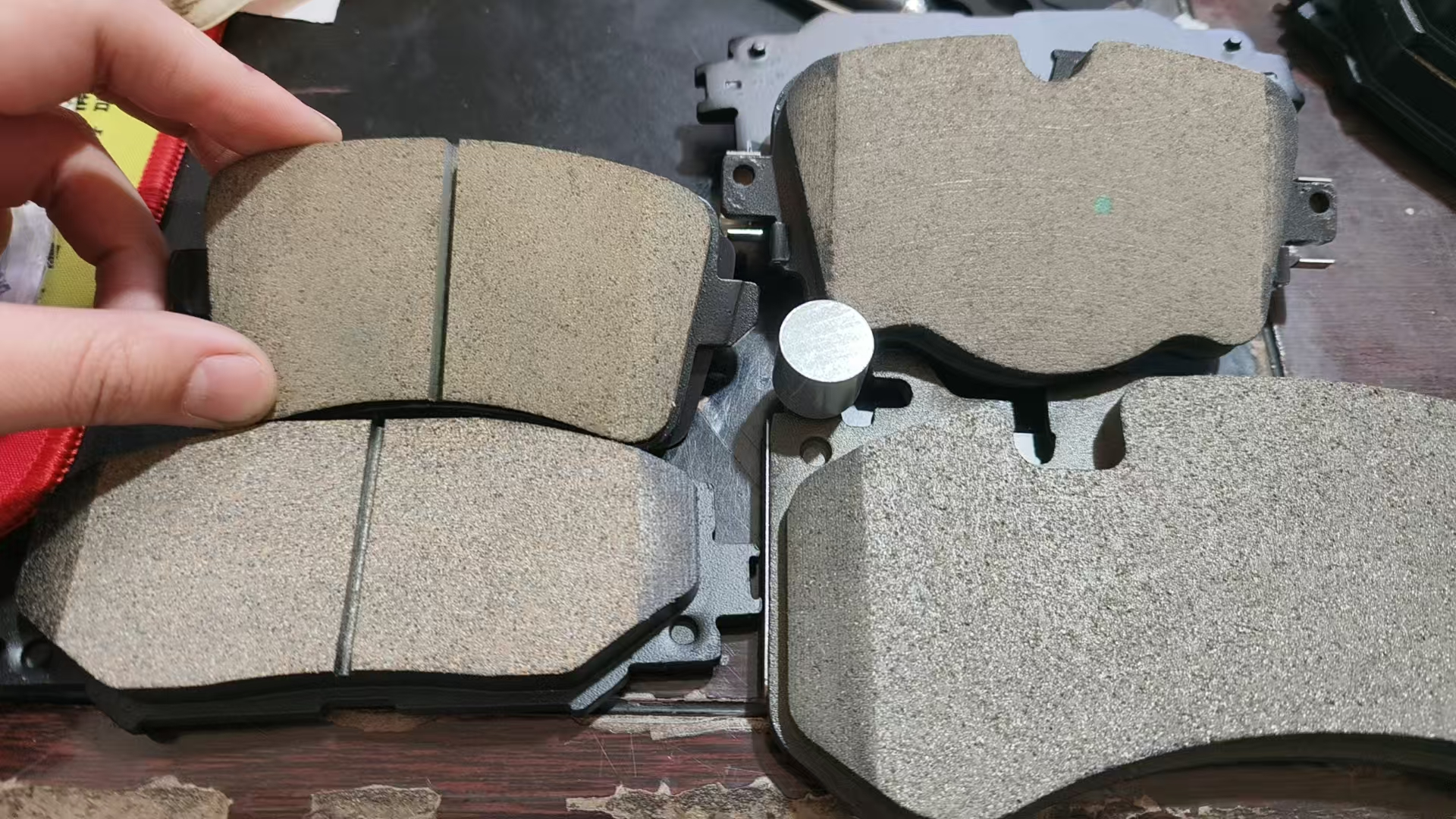
How Temperature Affects Brake Pad Performance (0–650°C Range)
Understanding Brake Pad Temperature Ratings and Operational Limits
The effectiveness of brake pads depends heavily on operating temperatures since friction materials work best within certain heat ranges. Sports car manufacturers specify pads that can handle temperatures from 0 to 650 degrees Celsius while maintaining around 85 percent of their original friction properties throughout that spectrum, as outlined in the latest SAE standards from 2023. When brakes get too hot beyond these limits, wear increases dramatically. We're talking about degradation rates that jump by about 40% for every additional 100 degrees past the safe zone, plus noticeably weaker stopping capability. To check if these temperature limits actually hold up in practice, automotive companies run extensive testing on dynamometers simulating multiple stop-and-go scenarios at speeds going from 65 down to zero miles per hour repeatedly.
Friction Coefficient (mu) Stability From Cold Start to Extreme Heat
A good brake pad should keep its friction level pretty steady throughout all temperatures, ideally staying within about 0.05 points difference from when it's first used to when it gets really hot. Most semi-metallic types usually start off around 0.4 friction at freezing temps, then go up to about 0.55 when things heat up to around 300 degrees Celsius, before settling back down near 0.48 once they pass 500 degrees. The way these pads perform better as they warm up is actually quite different from what happens with organic pads. Those tend to drop off significantly in effectiveness, losing nearly two thirds of their stopping power by the time they reach 400 degrees according to various industry tests on thermal stress.
Brake Fade Resistance and Safety Implications Under Thermal Stress
When temperatures reach around 650 degrees Celsius, cheaper brake pads tend to suffer from serious brake fade problems. This means vehicles take nearly 70% longer to stop than they would at normal operating temps around 200°C. Looking at crash data from racetracks shows that about one third of all braking failures actually come down to pads overheating past their limits. Better quality pads fight back against this issue through special features like Kevlar reinforced backing plates which help dissipate heat. They also have those little grooves cut into them for venting out hot gases. These high end pads meet the tough SAE J2522 standards that are standard equipment in professional racing circles where consistent braking performance matters most.
Semi-Metallic Brake Pads: Optimal for High-Temperature Sports Car Use
Why Semi-Metallic Compounds Dominate in Performance and Track Applications
Most performance vehicles rely on semi-metallic brake pads because they strike a good balance between metal content (around 30 to 70 percent) and other materials like graphite mixed with some organic resins. What makes these pads work so well is how they maintain consistent stopping power throughout a wide temperature range from when the car first starts up to after intense braking sessions that can push temps past 650 degrees Celsius. Regular organic pads tend to fall apart once temperatures hit about 300°C, but semi-metallic ones hold up much better even at 600°C according to tests done on dynamometers during actual track days. Plus, the conductive nature of these pads actually pulls heat away from the calipers, which means less chance of brake fluid turning into vapor when someone really pushes their vehicle hard on the road.
Thermal Durability and Heat Dissipation Capabilities of Semi-Metallic Pads
Semi-metallic brake pads contain metal particles that function somewhat like built-in cooling systems, pulling heat away from where the pad meets the rotor about 40 percent quicker than what we see with ceramic pads. This better heat handling stops the pad surfaces from getting glazed over and keeps the rotors intact even when temperatures climb close to 650 degrees Celsius during long braking sessions. Thermal images taken independently confirm that these pads stay anywhere between 120 to 150 degrees cooler than similar ceramic options after multiple stops from 200 down to zero kilometers per hour. When paired with those special wear-resistant shims, this kind of temperature control actually makes these pads last around 25 to 30 percent longer than regular organic pads, especially important for situations such as track days at the race circuit or those endless downhill stretches through mountain roads where brakes get worked hard continuously.
Real-World Performance: Brake Pads Under Repeated 0–650°C Cycling
Testing on actual tracks shows how well semi-metallic brake pads hold up when subjected to intense heat changes. After running through about 50 simulated laps where temperatures hit around 650 degrees Celsius, these pads only wore down by 0.3 millimeters. That's way better than ceramic options which lost nearly double that amount at 0.8 mm. The friction level stayed pretty stable too, changing less than 8 percent from the very first stop to the last one. This means they don't suffer from the unpredictable grabbing sensation people sometimes get with hybrid metal-ceramic brakes. Real world feedback backs this up as well. Most canyon drivers who were asked said their sports cars didn't experience any brake fade even after multiple hard stops. Other brake types typically start failing somewhere between 15 to 20 braking cycles under similar conditions.
Ceramic and Organic Brake Pads: Limitations in High-Heat Scenarios
Ceramic Brake Pads: Strong at Moderate Temps but Weak Beyond 500°C
Ceramic brake pads offer consistent performance between 0–450°C, maintaining a friction coefficient (μ) of 0.38–0.40 under normal driving conditions. However, their low thermal conductivity causes performance to decline rapidly beyond 500°C. At 600°C, they exhibit a 15% lower friction coefficient than semi-metallic alternatives, potentially increasing emergency stopping distances by 8–12 meters.
Organic Brake Pads: Low Durability and Poor Performance Above 300°C
Organic brake pads have limited heat tolerance, losing 40% of their friction efficiency at just 320°C. Their resin-based binders break down after only 5–7 hard stops from 100 km/h in performance vehicles. This thermal instability results in accelerated wear, requiring replacement three times more frequently than ceramic pads under aggressive use.
Direct Comparison: Ceramic vs. Organic vs. Semi-Metallic in Sports Car Use
| Parameter | Ceramic (0–650°C) | Organic (0–300°C) | Semi-Metallic (0–850°C) |
|---|---|---|---|
| Friction Stability (±μ) | ±12% | ±45% | ±5% |
| Heat Dissipation Rate | 180°C/sec | 90°C/sec | 320°C/sec |
| Pad Life (Track Days) | 6–8 | 2–3 | 10–12 |
Semi-metallic compounds maintain 96% of their initial friction at 650°C, outperforming ceramics by 23% in fade resistance. In contrast, organic pads show dangerous friction variance exceeding 0.15 during repeated hard braking—a serious safety concern in high-performance scenarios.
Selecting the Best Brake Pads for Aggressive Driving and Track Conditions
Key Criteria: Friction Retention, Wear Rate, and Rotor Compatibility at High Heat
Sports car brake pads need to maintain a friction coefficient (mu) over 0.38 across temperatures from zero to 650 degrees Celsius if they're going to handle repeated hard braking without fading. Testing on racetracks shows that the best semi-metallic options last much longer than organic ones, with wear rates staying under 0.15 mm for every 100 kilometers driven. Getting the right rotor match matters just as much though. When pads run hotter than 550 degrees without proper thermal compatibility, they tend to warp discs at around 40% faster rate compared to when everything works together properly.
Real-World Thermal Stress Tests for Performance Brake Pads on Race Circuits
The tests conducted at Laguna Seca showed brake temps reaching as high as 612 degrees Celsius after just four laps around the track, which really pushed even the best motorsport components to their breaking point. Brake pads that kept friction coefficients above 0.42 when temperatures climbed past 500 degrees gave drivers about a 2 second edge on each lap compared to what competitors were using during those 10 lap runs. Looking at the rotors after testing told another story too. The top performing systems only had shallow grooves measuring no more than 0.8 millimeters deep, whereas regular equipment ended up with much deeper wear marks around 2.3 mm in depth. This kind of difference matters a lot in competitive racing environments where every fraction of a second counts.
Top-Recommended Brake Pads for Sports Cars Requiring 0–650°C Reliability
| Pad Type | Optimal Temp Range | Friction Retention (500°C+) | Best Application |
|---|---|---|---|
| Motorsport Semi-Metallic | -40°C to 720°C | 92% initial μ | Track days, time attack |
| Hybrid Ceramic-Metallic | 0°C to 650°C | 84% initial μ | Street/track crossover |
| Aramid-Reinforced | 100°C to 680°C | 96% initial μ | Professional racing |
Motorsport-grade semi-metallic pads lead recommendations, offering 8,000–12,000 km service life in dual-use settings while complying with FIA safety standards. Hybrid ceramic-metallic options provide quieter operation for drivers who prioritize comfort during daily driving between track events.
Frequently Asked Questions
What is brake fade?
Brake fade occurs when brake pads overheat, leading to reduced friction and longer stopping distances. It can significantly impair braking effectiveness.
Which brake pads are best for high-temperature scenarios?
Semi-metallic brake pads are generally best for high-temperature scenarios due to their ability to maintain consistent friction and dissipate heat efficiently.
How often should brake pads be replaced under aggressive use?
Under aggressive use, semi-metallic pads may last several track days, whereas organic pads require frequent replacement, often three times more than ceramic options.
What testing methods ensure the performance of brake pads?
Automotive companies use dynamometer testing to simulate stop-and-go scenarios and track tests to examine brake pad performance under real-world conditions.