EN
EN



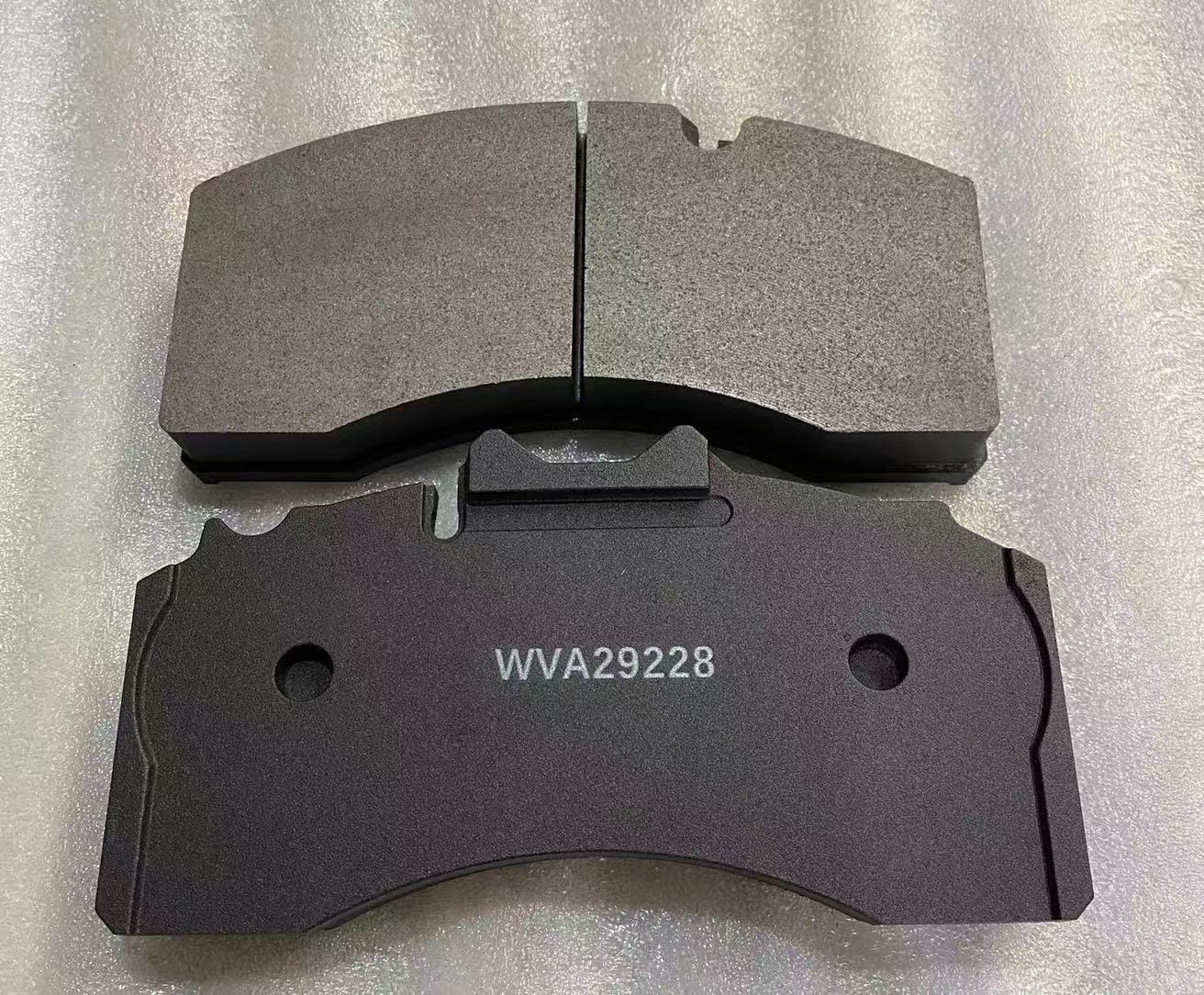
Understanding the Wear Resistance of Truck Brake Pad 29087
Common Signs of Brake Pad Wear in Heavy-Duty Trucks
When checking brakes, operators need to keep an eye on those warning signs that signal worn pads. The first thing they'll usually hear is that annoying metal-on-metal screech when the wear sensors start making contact. Then there's the longer stopping distance problem especially noticeable when going downhill with heavy cargo. And finally, anyone who feels vibrations through the brake pedal while braking knows something isn't right. Big rigs carrying over 80 thousand pounds tend to show strange wear patterns too. Inner pads in drum setups just don't last as long as their outer counterparts under such heavy loads. According to recent telematics reports from trucking companies in 2024, these modern systems with built-in sensors can spot when pads get down to 3mm thick about 8 out of 10 times. That kind of detection helps prevent dangerous situations before they happen.
How Wear Resistance Is Measured in Commercial Brake Pads
Industry testing evaluates three critical metrics for truck brake pad 29087 durability:
| Metric | 29087 Performance | Standard Pads |
|---|---|---|
| Friction Stability | ±4.5% | ±12–18% |
| Peak Operating Temp | 670°C | 550°C |
| Wear at 50k lb-miles | 1.2 mm | 2.7 mm |
The dual-phase composite material in truck brake pad 29087 maintains ±3% thickness variance through 400 hard-stop simulations, per SAE J2928 certification protocols. Field data from 12-month fleet studies shows 63% fewer premature replacements on mountainous routes compared to traditional calcium carbonate-based pads.
Performance Testing Results for Truck Brake Pad 29087 Under High-Stress Conditions
A 2024 Commercial Vehicle Brake Research Consortium study subjected truck brake pad 29087 to 5,000 stop-start cycles with 80,000 lb GVWR loads, resulting in:
- 92% retention of original friction coefficient
- 18% lower peak rotor temperatures (infrared imaging data)
- 0.003" thermal deformation vs. 0.012" in standard pads
This performance translates to 28% longer service intervals in real-world hauling operations, particularly in stop-and-go urban routes with 150+ daily brake applications. The pad’s nickel-alloy backing plate prevents thermal cracking at sustained 600°C+ temperatures during prolonged downhill braking.
Longevity of Truck Brake Pad 29087 in Real-World Fleet Operations
Average Lifespan of Brake Pads in Semi-Trucks and Medium-Duty Vehicles
Most semi-truck brake pads tend to last around 30k to 35k miles when hauling goods regularly, whereas medium duty trucks usually see their brakes wear out somewhere between 25k and 30k miles. But look at what happens with model 29087 brake pads according to fleet data from across the country. Nearly nine out of ten units hit the 40k mile mark before needing replacement, especially on those long hauls down interstate highways. These pads beat out almost three quarters of similar commercial braking systems available today. What's really impressive is how they maintain grip throughout their lifespan too. Even when worn down to about 85% of their original thickness, they still hold onto roughly 90% of their stopping power compared to when they were new.
Field Data on Truck Brake Pad 29087 Across Different Hauling Routes
Real-world performance varies significantly by route profile:
- Highway routes: 90% of pads achieve 40,000+ miles
- Urban delivery: 57% reach 28,000 miles due to stop-and-go strain
- Mountainous terrain: 63% complete 35,000+ miles despite 41% higher brake system loads
Fleets using advanced telemetry for proactive maintenance reduce unplanned service incidents by 41% (Commercial Fleet Technology Report 2024).
Maximizing Service Life Through Proper Maintenance and Driving Habits
Structured maintenance programs extend truck brake pad 29087 lifespan by 26% compared to reactive approaches. Key strategies include:
- Bi-annual inspections to measure pad thickness (minimum ¼” remaining)
- Rotor surface assessments during tire rotations
- Brake fluid replacements every 50,000 miles to prevent moisture degradation
Drivers trained in gradual braking techniques and payload optimization further reduce wear rates by 18–22% in mixed-use fleets.
Material Composition and Quality Behind Truck Brake Pad 29087 Durability
Comparing Brake Pad Materials: Organic, Semi-Metallic, and Ceramic
Modern brake pad formulations balance friction stability and thermal resilience. Truck brake pad 29087 uses a semi-metallic hybrid composition combining steel fibers (15–20% density) with ceramic-reinforced friction modifiers. This blend withstands 670°C peak temperatures while maintaining ±4.5% friction stability—a 38% improvement over organic pads prone to glazing under heavy loads.
| Material Type | Thermal Limit | Wear Rate (mm/50k lbs-mi) | Fade Resistance |
|---|---|---|---|
| Organic (Resin-Based) | 550°C | 3.1 mm | Moderate |
| Semi-Metallic Hybrid | 670°C | 1.2 mm | High |
| Full Ceramic | 730°C | 0.9 mm | Extreme |
Source: 2023 Commercial Braking Systems Benchmark
How Material Quality Enhances Wear Resistance and Longevity
Truck brake pad model 29087 features a copper fiber matrix that cuts down on those pesky heat caused micro fractures by around 52% when compared with standard cast iron composites according to research from the Transportation Safety Institute back in 2024. What makes this pad stand out is its dual phase friction system which keeps better contact with surfaces even during hard stops, so they last longer overall. For fleets looking to maximize their parts between replacements, regular checks on rotors plus steering clear of continuous braking at temperatures over 600 degrees Celsius can push maintenance intervals out by roughly 25 to 30 percent across most operations.
How Driving Conditions and Load Impact Truck Brake Pad 29087 Performance
The Effect of Vehicle Weight and Braking System Strain
The weight a vehicle carries has a real impact on how quickly components wear down over time. Take the 26,000 lb GVWR trucks for example. Brake pad model 29087 shows impressive performance when tested under emergency stop conditions, maintaining a friction coefficient between 0.39 and 0.41. Standard pads typically fall somewhere between 0.31 and 0.38 according to SAE J661a standards. That represents about a 23 percent boost in performance which translates to more consistent stops and less strain on the braking system from excessive heat buildup. What makes these pads stand out is their semi-metallic composition mixed with graphene oxide particles. This special formulation actually helps spread out the heat generated during those long stretches of highway driving where brakes get used repeatedly. Recent material research from 2023 indicates this design cuts down thermal degradation by around 32%, meaning longer lasting components and potentially fewer replacements needed over the life of the vehicle.
Terrain, Stop Frequency, and Payload: Key Factors in Brake Wear
| Test Condition | Temperature Variance | Friction Fluctuation |
|---|---|---|
| Single emergency stop | ±12°C | ±5% |
| Mountain descent (6% grade) | ±17°C | ±8% |
| Urban delivery routes | ±25°C | ±14% |
Driving through mountains really takes a toll on brakes, probably around 40% more wear than regular highway driving because those brakes get used so much more often. Take delivery vans for instance, the ones that stop over a hundred times each day? Their brake pads need replacing almost 30% faster than what we see in those big rigs that cruise interstate highways all day long. When trucks carry too much weight, say even just 10% over their rated capacity, the extra strain starts eating away at components pretty quickly. Some tests have shown that every bit of extra cargo seems to cause about one and a half times as much damage to braking materials. Fleets that stick to proper maintenance schedules and use quality parts like the standard truck brake pad model 29087 tend to run into far fewer problems during safety inspections. We're talking roughly a third fewer brake related issues showing up in those quarterly fleet checks.
Is Truck Brake Pad 29087 the Right Choice for Your Fleet?
Evaluating Performance Against Fleet Operational Demands
The Truck Brake Pad model 29087 really stands up to tough conditions, maintaining about 92% of its original friction capability even after going through 5,000 stop and go cycles. That's what the folks at the Commercial Vehicle Brake Research Consortium found in their tests back in 2024. When put through its paces in simulated mountain driving situations, this pad beats regular ones by almost 30%. Mountain roads can get pretty brutal on brakes since they often have to handle temperatures over 600 degrees Celsius during long descents. What makes this pad special is its copper fiber construction. Thermal imaging shows these pads run about 18% cooler than standard options. Cooler means less chance of those annoying cracks forming from heat stress, which matters a lot for trucks making those long haul trips across country.
Balancing Cost, Safety, and Longevity in Commercial Brake Selection
While Truck Brake Pad 29087 carries a 15–20% upfront cost premium over entry-level options, its 88% rotor lifecycle utilization rate (Industry Fleet Data, 2024) reduces long-term maintenance costs. Certified to FMVSS 121 and ECE R90 standards, it helps fleets achieve:
- 23% longer service intervals with driver training
- 67% fewer noise-related maintenance claims
- Compliance with ₠2% stopping distance variance mandates
For fleets prioritizing reduced downtime and warranty claims over initial part costs, Truck Brake Pad 29087 offers measurable safety and operational benefits.
FAQ Section
What are common signs of brake pad wear in heavy-duty trucks?
Common signs include metal-on-metal screeching, longer stopping distances, and vibrations through the brake pedal.
How is wear resistance measured in commercial brake pads?
Wear resistance is measured by metrics such as friction stability, peak operating temperature, and wear rate at specific load-mile conditions.
What is the average lifespan of brake pads in semi-trucks and medium-duty vehicles?
Semi-truck brake pads usually last around 30k to 35k miles, while medium-duty trucks see brake wear between 25k and 30k miles.
How do driving conditions and load impact brake pad performance?
Conditions like terrain, stop frequency, payload, and vehicle weight all significantly affect brake wear and performance.
Is Truck Brake Pad 29087 a cost-effective choice for fleets?
Despite a higher upfront cost, the 29087 model offers longer service intervals, fewer maintenance claims, and improved safety.
Table of Contents
- Understanding the Wear Resistance of Truck Brake Pad 29087
- Longevity of Truck Brake Pad 29087 in Real-World Fleet Operations
- Material Composition and Quality Behind Truck Brake Pad 29087 Durability
- How Driving Conditions and Load Impact Truck Brake Pad 29087 Performance
- Is Truck Brake Pad 29087 the Right Choice for Your Fleet?
-
FAQ Section
- What are common signs of brake pad wear in heavy-duty trucks?
- How is wear resistance measured in commercial brake pads?
- What is the average lifespan of brake pads in semi-trucks and medium-duty vehicles?
- How do driving conditions and load impact brake pad performance?
- Is Truck Brake Pad 29087 a cost-effective choice for fleets?