EN
EN



Why Cast Iron Remains the Gold Standard for Durable Brake Discs
More than 90 percent of all passenger vehicles around the world rely on cast iron for their brake discs, which speaks volumes about how well this material handles both heat and money matters. Grey cast iron, which meets various global standards such as GG20 or HT250, remains the go to choice because it soaks up and releases heat effectively when brakes are applied repeatedly. What makes this material stand out is its unique graphite flake structure inside. This special composition helps prevent those annoying warped discs we sometimes see after long drives through city traffic. Plus, these flakes actually work like tiny cushions between moving parts, reducing wear and tear over time. Drivers get better mileage from their brakes too since stopping power stays pretty much the same even after hundreds upon hundreds of stops throughout the vehicle's lifespan.
Grey Cast Iron: Thermal Stability, Cost Efficiency, and Proven Longevity in Daily Driving
The reason grey cast iron works so well is because it has a pretty high carbon content, around 3 to 4 percent. This allows heat to spread out quickly across the material, which means we don't get those pesky hot spots that wear things down faster. And when paired with its natural ability to dampen vibrations, there's noticeably less noise and shaking during regular driving conditions. Some research has shown that grey iron brake discs tend to stick around about 25 percent longer compared to their aluminum counterparts when put through typical city and highway driving cycles. Plus, manufacturing these parts actually saves money too. The process involves using recycled materials for sand casting, cutting production costs by roughly 40% over composite options while still maintaining all the necessary safety standards that automotive manufacturers require.
High-Carbon Variants: Enhanced Hardness and Crack Resistance Under Repeated Braking Cycles
Cast iron with high carbon content (above 3.3%) makes things much harder than regular grades, around 70% harder actually. This means it stands up better against those tiny cracks that form when someone slams on the brakes repeatedly or takes their car down steep mountains. Tests showed that cast iron with a refined pearlite structure lasted twice as long under stress during SAE J2522 tests, surviving over 200 hard braking sessions without failing. For places where moisture is a problem, adding zinc plating or ceramic coatings really helps prevent rusting. These treatments become especially important in areas with lots of humidity because once rust starts forming on surfaces, it just gets worse fast and wears out components quicker than anyone wants.
Brake Disc Design Types and Their Real-World Durability Trade-Offs
Solid Brake Discs: Optimal Structural Integrity and Corrosion Resistance for Urban and Highway Use
Brake discs made as a single solid piece offer really strong structural properties because there's nothing cutting into the metal. These discs don't have those holes or slots we see on other types, so the material stays denser throughout. According to a study published in Automotive Engineering International last year, this design cuts down on cracks spreading by around 40% when compared to ventilated versions. The solid surface also stands up better against rust caused by salt on roads and damp weather, which means these brakes tend to last about 30% longer in city driving situations. When drivers hit the highways for long periods, the even heat distribution across the braking surface helps prevent warping issues. Most car manufacturers back up these claims too, stating that solid discs should hold up for well over 80,000 kilometers with normal everyday use.
Slotted vs. Drilled Brake Discs: Fade Management Versus Fatigue Life – What Data Shows for Passenger Vehicles
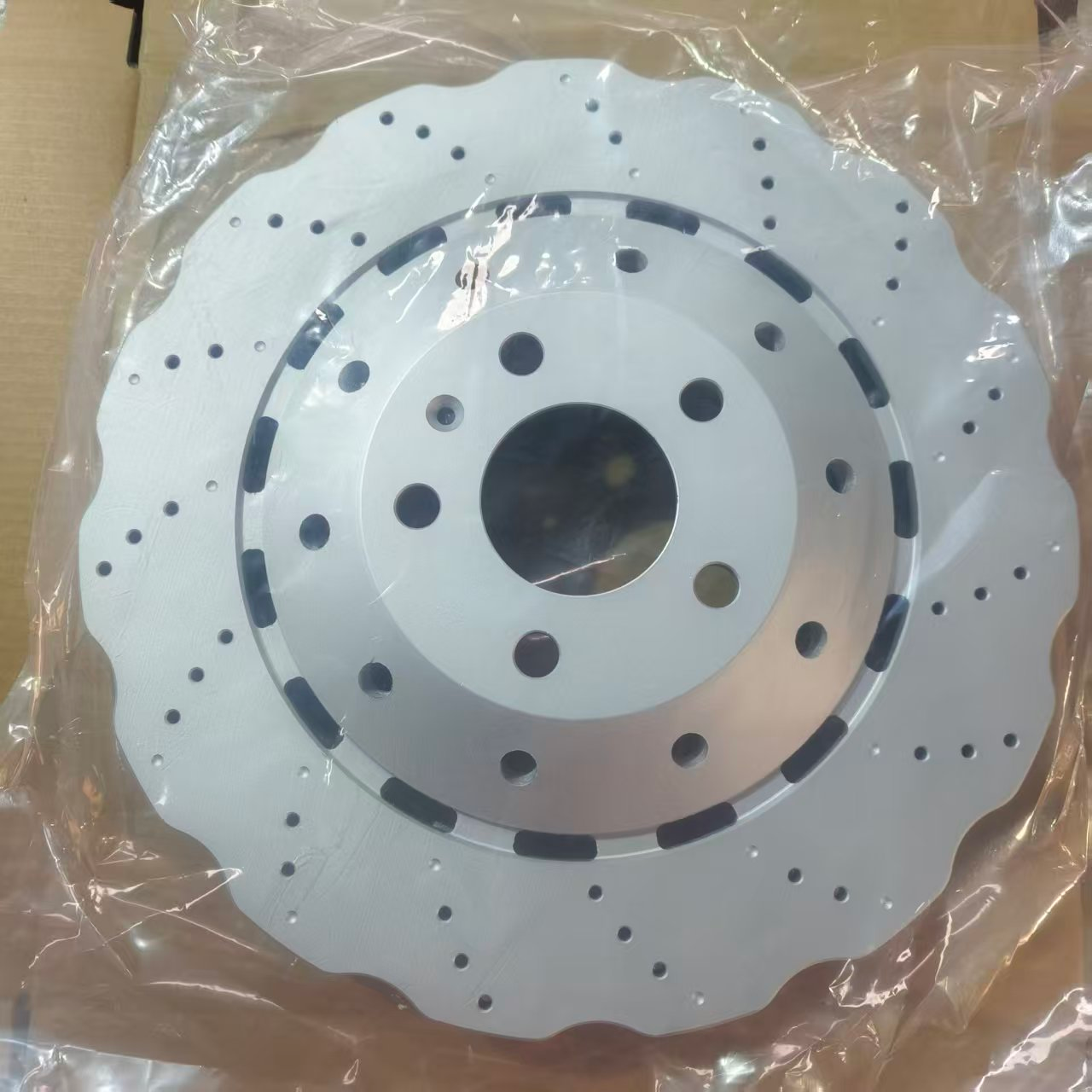
When it comes to regular cars on the road, slotted brake discs generally last longer than their drilled counterparts. According to tests from SAE International, these slotted models cut down on brake fade by about a quarter because they let gases and debris escape better during stops. The downside? They tend to wear through brake pads around 15% faster than other options. Looking at drilled discs, there's a problem with cracks forming around those holes after going through hundreds of hot braking cycles. Real world experience backs this up too. Most slotted discs stay solid for well over 60 thousand kilometers even with normal city driving conditions. Drilled ones start showing signs of stress fractures somewhere around 45k km mark though. Computer modeling explains why this happens - those drilled holes create pressure points that become really problematic when stuck in traffic jams all day long. Unless someone needs maximum performance capabilities, slotted discs strike just the right note between resisting heat fade and lasting a reasonable amount of time before needing replacement.
Surface Treatments and Material Enhancements That Extend Brake Disc Service Life
Ceramic Coating, Nitriding, and Zinc Plating: Comparative Effectiveness Against Rust and Thermal Degradation
Brake discs face relentless exposure to rust and extreme thermal cycling—both undermining durability. Three surface treatments address these challenges differently:
- Zinc plating provides affordable, sacrificial rust protection for non-contact surfaces during storage, though it degrades above 200°C due to zinc evaporation.
- Ceramic coatings form heat-resistant barriers stable beyond 700°C, reducing friction-induced thermal stress while blocking moisture ingress.
- Nitriding treatments, such as FNC (Ferritic Nitro-Carburizing), create diffusion layers 0.1–0.3 mm deep—combining surface hardness with corrosion resistance. Industry testing confirms FNC delivers superior thermal cycling endurance and minimizes cracking under repeated braking.
Materials research (2023) shows ceramic and FNC treatments extend service life by 40% in high-stress conditions, while zinc remains suitable for moderate-duty use.
Top Validated Brake Disc Brands Delivering Long-Term Durability for Passenger Cars
The best brake disc makers get their products to last longer by focusing on material science. They often go for high carbon cast iron as their base material, then apply special heat treatment processes such as nitriding which strengthens the metal surface. Plus there are those fancy anti-corrosion coatings that help fight rust over time. What really sets apart quality products from the rest? Look at what third party testers find when they put these discs through their paces. Some companies actually run them for over 50 thousand miles worth of simulated driving conditions while others test how well they handle sudden temperature changes. Labs have shown that premium grade discs keep their shape even after many stops at temperatures above 650 degrees Celsius, something cheaper alternatives struggle with. This means around 40 percent fewer issues with warped discs compared to budget brands. Whether someone spends most of their time stuck in city traffic or zipping along highways, going with either original equipment manufacturer certified parts or high quality aftermarket alternatives makes sense if wanting reliable brakes that don't need replacing so frequently.
FAQ
1. Why is cast iron preferred for brake discs?
Cast iron is favored for brake discs because it efficiently absorbs and disperses heat, has a cost-effective manufacturing process, and provides long-term durability due to its unique graphite flake structure that reduces wear and tear.
2. How does grey cast iron contribute to brake disc longevity?
Grey cast iron has a high carbon content that allows heat to dissipate quickly, preventing hot spots and enhancing longevity. Its ability to dampen vibrations results in less noise and increased lifespan under regular driving conditions.
3. What advantages do solid brake discs offer?
Solid brake discs provide optimal structural integrity due to their dense material without holes or slots, leading to 30% longer lifespan in city driving. They resist rust effectively and distribute heat evenly to avoid warping.
4. How do surface treatments like ceramic coating and nitriding enhance brake disc performance?
Ceramic coatings and nitriding treatments create heat-resistant barriers and diffusion layers that enhance surface hardness and resist corrosion, extending brake disc service life by up to 40% in high-stress conditions.