EN
EN



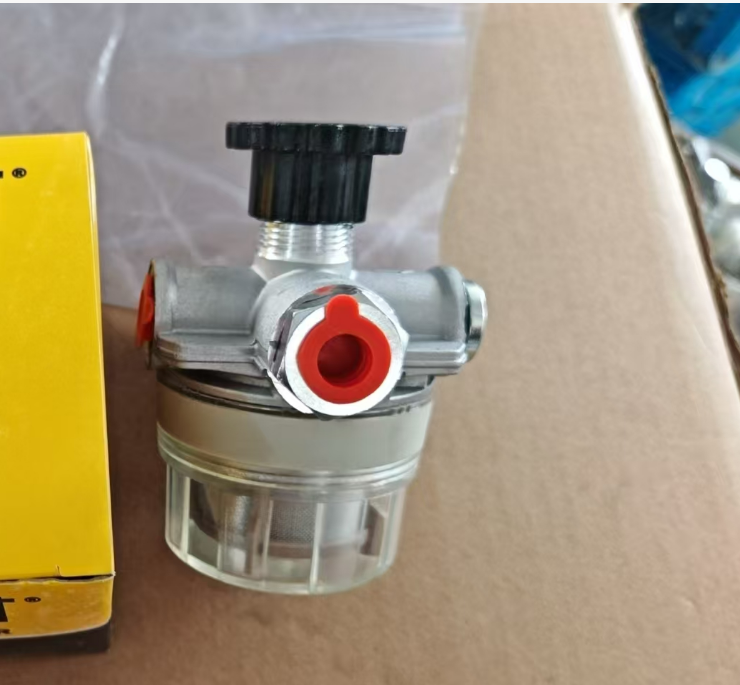
Why Fuel Stability Is the #1 Priority for Heavy-Duty Truck Fuel Pumps
How Lift Pump Consistency Prevents Rail Pressure Collapse Under Load
Truck fuel pumps need to maintain steady rail pressure when things get tough on the road, especially during those steep climbs or heavy towing situations. When there's a drop in fuel delivery, high pressure common rail systems can experience what mechanics call rail collapse, which basically means pressure plummets below 10,000 PSI. This leaves the injectors without enough fuel and makes the engine control unit reduce power output as a safety measure. If engines run too lean for extended periods, we're talking serious damage risks - pistons can warp and injectors tend to fail much sooner than they should. Good quality aftermarket lift pumps solve this problem with bigger impellers that move more fuel, motors designed to handle heat better, plus mechanical regulators that keep things running smoothly. These components work together to maintain around 60 to 100 PSI lift pressure consistently, even when the pump is working hard most of the time.
Real-World Symptoms of Instability: Hesitation, Hard Starts, and Intermittent Power Loss
When drivers notice their engines acting up with sudden power drops while accelerating, long cranking times before starting, or random surges on the highway, these are real problems worth paying attention to. The root cause often lies in how DC pumps work with voltage changes or when smaller pumps create cavitation issues that mess up the consistent low pressure needed for proper operation. Things get even worse when biodiesel blends enter the mix, especially in older pumps that weren't built for modern fuels. This combination leads to those frustrating intermittent misfires that nobody wants to deal with. If ignored completely, this kind of instability doesn't just go away. Instead, it wears down injectors faster and can really hit the wallet hard too. According to research published in Diesel Tech Journal back in 2023, fixing these issues early saves money in the long run since repair bills tend to jump about 40% within just three years if left alone.
Top Aftermarket Truck Fuel Pumps for Stability: FASS, AirDog, Fleece, and BD Diesel
Side-by-Side Comparison: Flow Rate, Pressure Hold, and Cavitation Resistance at 60–100 PSI
Leading aftermarket truck fuel pump systems prioritize stability through three critical metrics:
- Flow Rate: Measured in gallons per hour (GPH), higher flow ensures adequate supply during peak demand without compromising pressure.
- Pressure Hold: Consistent PSI maintenance prevents rail pressure collapse under heavy loads.
- Cavitation Resistance: Ability to suppress vapor bubble formation at elevated temperatures preserves injection timing and integrity.
Performance benchmarks at 60–100 PSI reveal key differences:
| Feature | FASS | AirDog | Fleece | BD Diesel |
|---|---|---|---|---|
| Avg. Flow Rate (GPH) | 150 | 140 | 145 | 135 |
| Pressure Drop (%) | ≈5% | ≈7% | ≈4% | ≈8% |
| Cavitation Threshold | 90 PSI/90°C | 85 PSI/85°C | 95 PSI/95°C | 80 PSI/80°C |
Systems maintaining <5% pressure fluctuation at 100 PSI reduce hesitation risk by 73% (Diesel Tech Quarterly, 2023). Fleece’s in-tank designs excel in cavitation resistance due to submerged operation and thermal buffering; FASS leads in high-altitude flow consistency thanks to optimized impeller geometry and pressure-compensated regulators.
Smart Integration Features: ECU Sync, Duty Cycle Adjustment, and Load-Adaptive Delivery
Modern lift pumps enhance stability through intelligent electronic integration—not just raw output:
- ECU Synchronization: Matches fuel delivery to real-time engine demands via CAN bus or analog signal input, eliminating over- or under-supply.
- Duty Cycle Adjustment: Dynamically modulates pump speed across idle-to-WOT transitions to maintain pressure continuity.
- Load-Adaptive Delivery: Increases flow proportionally during towing, grade climbing, or aggressive tuning—without requiring manual recalibration.
These features significantly reduce hard starts by ensuring optimal pressure during ignition cycles and cut intermittent power loss incidents by 68% compared to fixed-flow designs (Commercial Fleet Maintenance Report, 2024). BD Diesel’s progressive voltage controllers, for example, isolate the pump from accessory load fluctuations—preventing starvation during rapid acceleration.
Matching Truck Fuel Pump Capacity to Engine Demands: Horsepower, Tuning, and Fuel Type
Sizing Guidelines: When Stock Pumps Fail in High-Horsepower or Biodiesel Applications
The standard fuel pumps that come with vehicles are built specifically for original equipment manufacturer specifications and regular factory fuel. They just don't cut it when dealing with modified engines producing extra horsepower or running on alternative fuel sources. When talking about gasoline engines, there's actually a formula we can use to figure out what kind of fuel flow is needed: take maximum horsepower multiplied by brake specific fuel consumption, then divide that by fuel specific gravity. Most folks will find that BSFC typically sits around 0.60 pounds per horsepower hour. Let's say someone has a 500 horsepower gasoline engine. That math works out to roughly 68 liters per hour at the fuel rail. But here's the catch - most stock pumps struggle to push even 50 liters per hour when pressure is applied. Things get even trickier with diesel setups. Biodiesel has less energy packed into each gallon compared to ultra low sulfur diesel, so it needs about 30 to 40 percent more volume flowing through the system. Plus, the chemical nature of biodiesel acts like a solvent over time, which breaks down seals and diaphragms faster in pumps that weren't designed for this type of fuel.
DC vs. Progressive Pump Designs: Why Voltage-Dependent Pumps Struggle with Stability
The output from DC pumps goes right up and down with whatever voltage is present in the system, which makes these pumps pretty weak when it comes to handling pressure drops that happen during cold engine starts, times when there's lots of electrical demand, or when the alternator isn't putting out steady power. When the voltage takes a dip, fuel delivery follows suit, and that creates real problems for maintaining proper rail pressure. The newer pump designs get around this issue by incorporating mechanical regulation methods instead. Think things like pressure compensated vanes or those cam driven piston systems we see more often now. These mechanisms keep the fuel flowing at consistent rates no matter what kind of voltage fluctuations occur. What this means in practice is that engines don't experience those annoying pressure dips when they need maximum performance, so drivers avoid issues like hesitation when accelerating, random misfires while driving, and eventually save themselves from causing lasting damage to their entire fuel rail system over time.
The Critical Link Between Lift Pump Performance and Common Rail System Stability
At the heart of any common rail system lies the lift pump, which delivers fuel under pressure to the high-pressure injection pump. Think of it as the system's lifeblood, keeping everything running smoothly. If the lift pump fails to maintain proper pressure or volume even briefly, the high-pressure pump drops below 10,000 PSI threshold, causing noticeable problems like hesitation when accelerating, rough idling, and automatic power cuts from the ECU. Today's diesel engines run at mind-blowing pressures upwards of 30,000 PSI, so they really need consistent low-pressure support. Smaller or voltage sensitive lift pumps tend to falter most in cold weather starts and at higher altitudes where thicker fuel makes flow issues worse. For best results, look for a lift pump with about 30% more capacity than what the engine normally needs, plus one that works well with either mechanical controls or ECU synchronization. This helps prevent those annoying pressure swings that throw off the whole injection process. Good quality lift pumps also fight against vapor lock and cavitation problems, particularly important in modified high horsepower setups and biodiesel systems where heat and chemicals create extra stress on components.
FAQ
What is rail pressure collapse?
Rail pressure collapse refers to a sudden drop in pressure within the common rail system, usually falling below 10,000 PSI, which can lead to insufficient fuel delivery to the injectors.
How can I prevent rail pressure collapse?
Using high-quality aftermarket lift pumps with larger impellers, better heat management, and mechanical regulators can help maintain consistent rail pressure.
Why do some trucks experience hesitation and hard starts?
Hesitation and hard starts can result from inconsistent voltage in DC pumps or cavitation issues in smaller pumps, leading to instability in fuel pressure delivery.
What considerations should I take when selecting an aftermarket fuel pump?
Consider the flow rate, pressure hold capability, and cavitation resistance of the fuel pump to ensure it can meet the demands of your truck's engine.
How does biodiesel affect fuel pumps?
Biodiesel requires about 30-40% more volume for energy equivalent to ultra-low sulfur diesel, and acts as a solvent, potentially breaking down seals and diaphragms faster in unadapted fuel pumps.
Table of Contents
- Why Fuel Stability Is the #1 Priority for Heavy-Duty Truck Fuel Pumps
- Top Aftermarket Truck Fuel Pumps for Stability: FASS, AirDog, Fleece, and BD Diesel
- Matching Truck Fuel Pump Capacity to Engine Demands: Horsepower, Tuning, and Fuel Type
- The Critical Link Between Lift Pump Performance and Common Rail System Stability