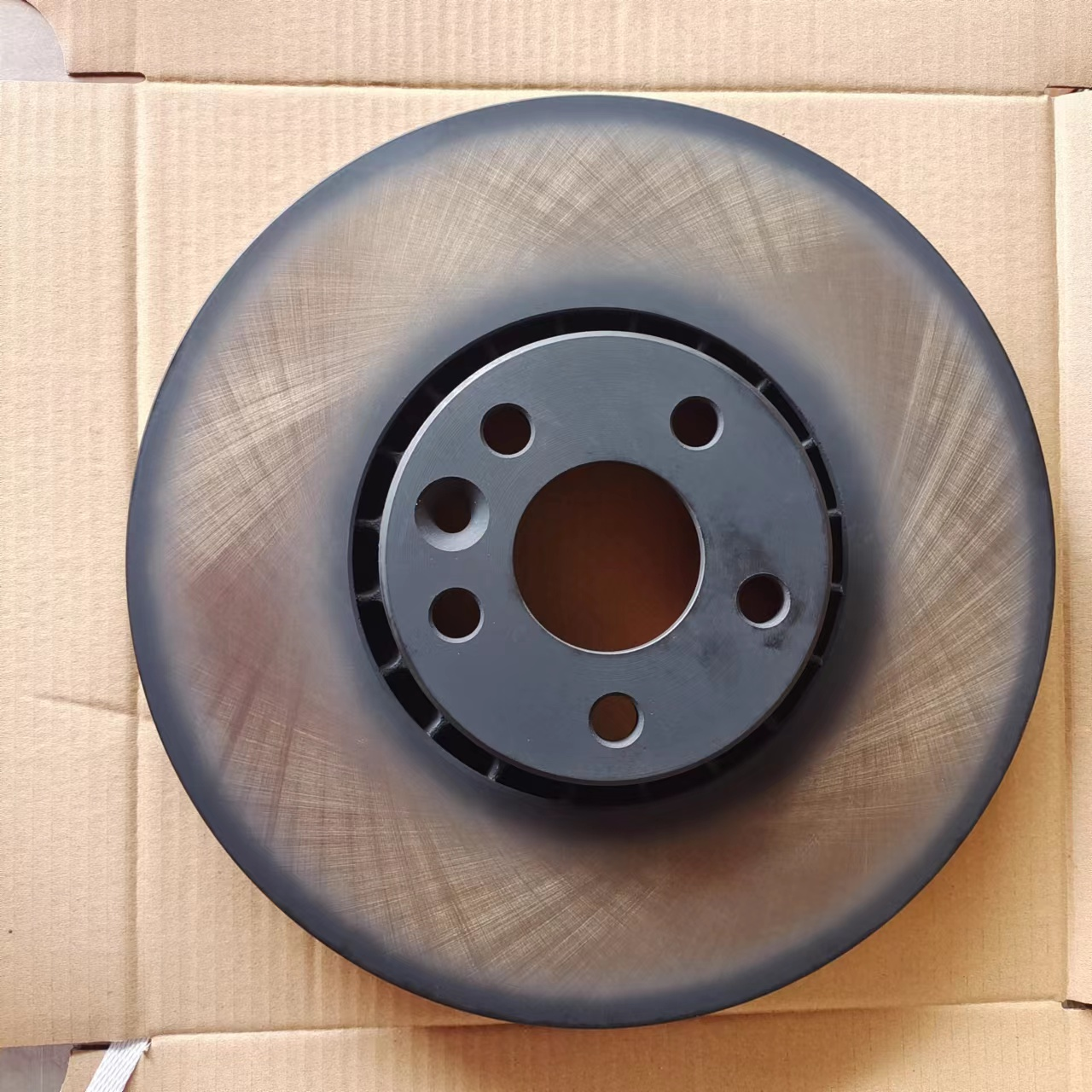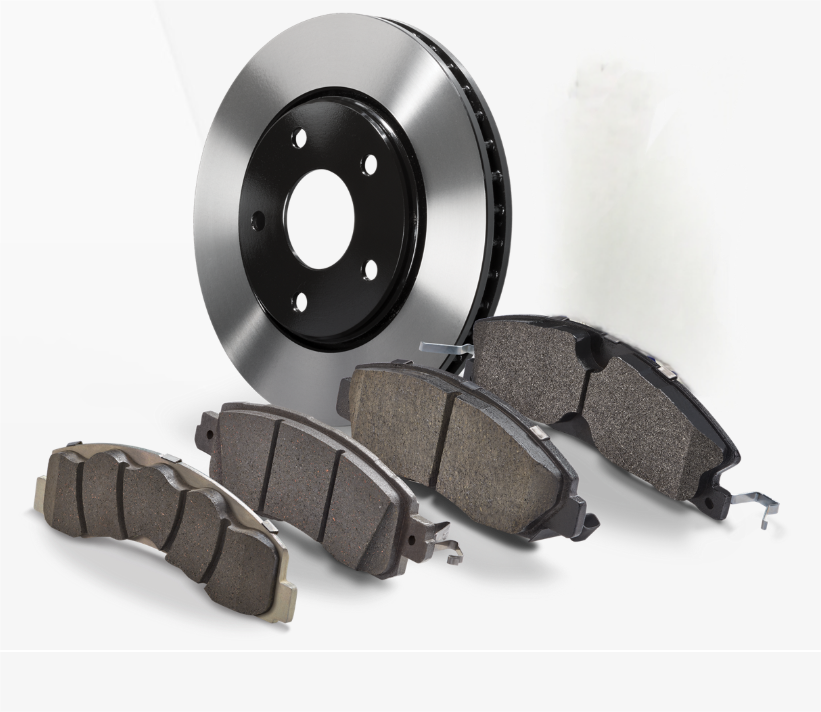
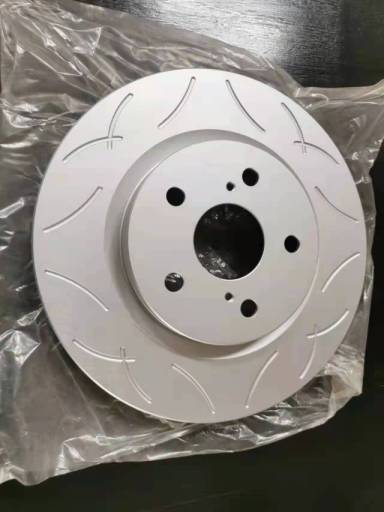
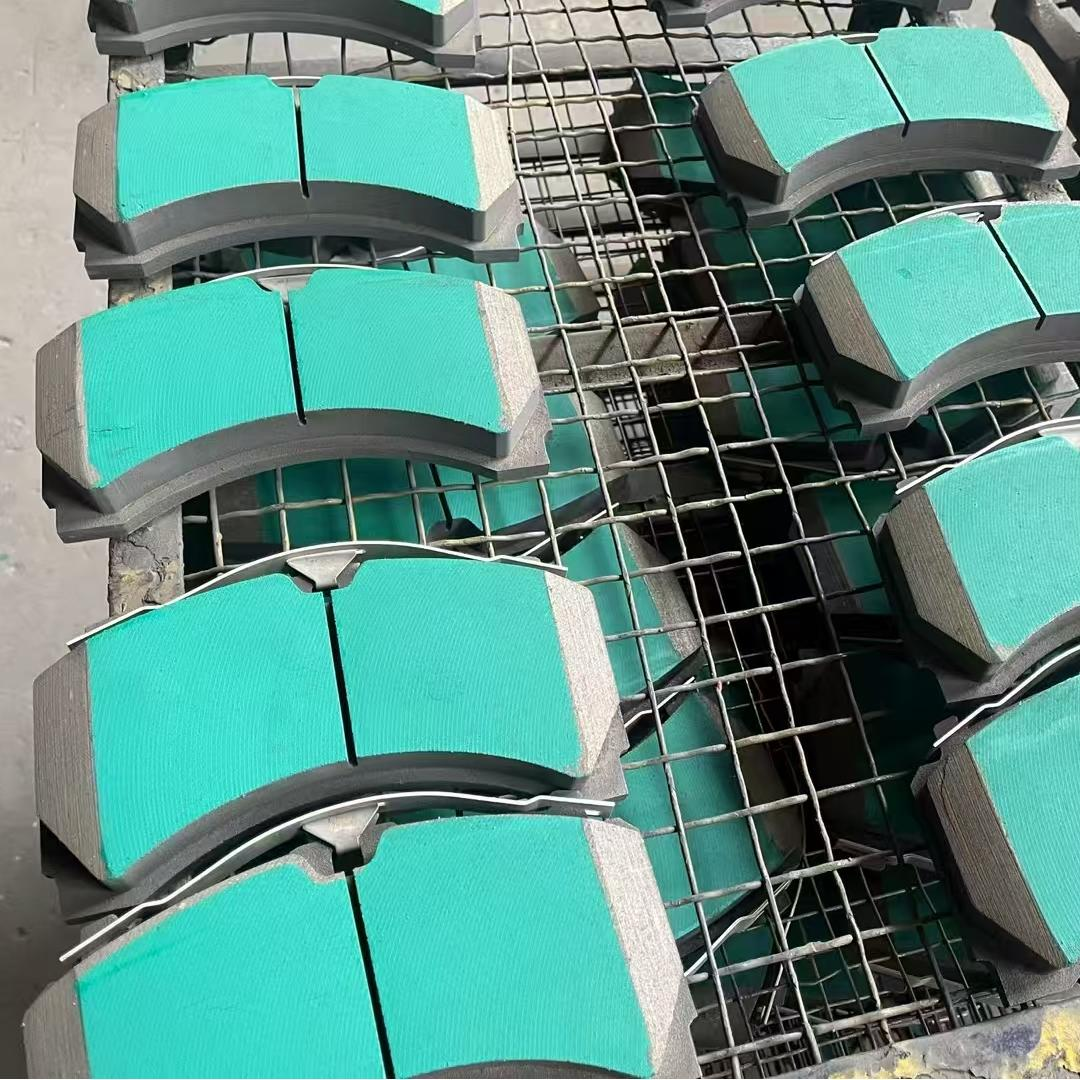
Within the braking system, the brake disc's role is to provide a reliable, high-friction surface for the brake pads, converting vehicle kinetic energy into heat. The design and material must ensure consistent performance under varying conditions. Cast iron remains the most common material due to its excellent friction properties and castability. Innovations include the use of vermicular graphite iron in some high-performance applications for improved strength and thermal fatigue resistance. Drilled and slotted brake discs are popular in the aftermarket for their perceived performance benefits; however, it's essential to understand that drilling can potentially create stress risers, and slots increase pad wear. For commercial vehicle safety, brake discs are subject to regulations and must demonstrate durability under cyclic loading. An example application is in public transportation buses, where frequent stops and starts demand brake discs that can handle constant thermal cycling without degradation. In racing, brake discs are often specific to the track conditions, with different compounds and designs used for circuits with high brake demand versus those with lower demands. The compatibility of the brake disc with the vehicle's ABS and stability control systems is also critical, as any inconsistency in friction can affect these systems' operation. Regular inspection for cracks, hotspots, and wear is a necessary maintenance practice. Our company offers a wide array of brake discs suitable for passenger cars, SUVs, light trucks, and commercial vehicles. To determine the most appropriate brake disc for your vehicle and to receive a detailed quote, we invite you to get in touch with our technical sales team for personalized service and support.