EN
EN



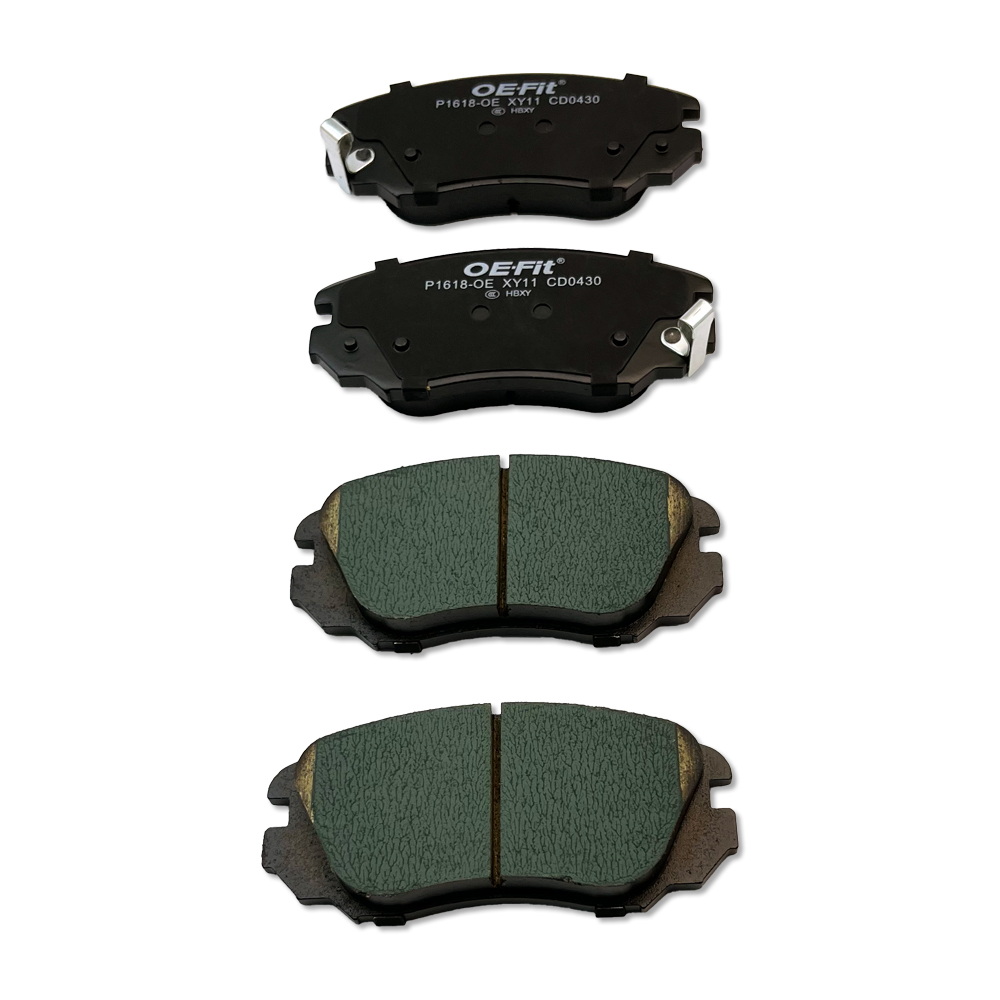
Why Thermal Stability Is the Defining Factor for High-Performance Brake Pads
How brake fade emerges from thermal overload in sports car applications
When brakes get really hot, like over 300 degrees Celsius, they start to fail because the friction material breaks down. Sports cars especially struggle with this problem since they need maximum stopping power exactly when things get heated up. Take those tight corners or long downhill stretches for instance. Rotors can heat up past 500 degrees there, which is way too much for regular organic brake pads. These pads basically lose between 40 to 60 percent of what makes them work properly at such high temps. What happens then? The special resins holding everything together turn into gas, creating something like a slippery film between the rotor and actual friction surface. Now semi-metallic brake pads last longer before fading sets in, but even these aren't immune. Once temps hit around 600 degrees Celsius, metal parts expand differently across the surface, so the pad doesn't make proper contact anymore. That's why racers often switch to ceramic options for extreme conditions.
Coefficient of friction (COF) stability across temperature ranges: why it defines track-ready performance
Real track ready brake pads keep their grip level steady no matter if they're used for regular driving around town at 100 degrees Celsius or pushed hard on track days reaching up to 800 degrees. Regular brake pads tend to slip all over the place with their friction levels bouncing around by about 0.15 points, but these special sintered ones only vary between plus or minus 0.03 even under extreme conditions. That kind of consistency is absolutely essential when coming down from speeds over 200 kilometers per hour. The reason behind this performance lies in the materials used these days. Modern copper free alloys packed tighter together resist heat expansion better than those pesky ceramic alternatives we've seen before. Some recent research back in 2023 showed cars equipped with these temperature resistant pads stopped much quicker after doing ten full laps at race pace, cutting stopping distance almost in half compared to standard equipment.
| Brake Pad Type | Effective Range (°C) | COF Variation | Track Suitability |
|---|---|---|---|
| Organic | 0â350 | High (±0.20) | Low |
| Semi-Metallic | 0â650 | Moderate (±0.10) | Moderate |
| Sintered Compounds | 0â800+ | Minimal (±0.03) | High |
Brake Pad Material Types: Ceramic, Semi-Metallic, and Sintered â Performance Trade-Offs Explained
Ceramic vs semi-metallic vs sintered brake pads: thermal capacity, noise, and dust trade-offs
When it comes to high performance driving, finding the right brake pad material is all about striking the right balance between different factors. Semi metallic pads contain around 30 to 65 percent metal content and provide good stopping power right from the start while dissipating heat quickly. These work well for everyday aggressive driving on the streets, though drivers should expect quite a bit of noise and dust buildup. Ceramic options are much quieter and leave behind almost no dust residue, but they tend to lose effectiveness once temperatures exceed about 650 degrees Celsius during extended track sessions. Sintered pads take things further by fusing together metallic particles through intense pressure, allowing them to handle temperatures above 800 degrees Celsius which makes these pads excellent choices specifically for racing tracks. However, there are downsides too including faster rotor wear rates and annoying high pitch noises. Testing shows these differences clearly:
- Thermal limits: Sintered (800°C+) > Semi-metallic (600°C) > Ceramic (650°C)
- Dust/noise: Sintered (moderate dust, medium noise) | Semi-metallic (high dust, high noise) | Ceramic (low dust, near-silent)
Sintered pads maintain a COF above 0.55 at peak temperaturesâ15% better than ceramics under equivalent track loads.
Copper-free sintered alloys in modern track compounds: material science behind extreme heat resistance
Modern brake pad materials are moving away from traditional copper content toward iron-ceramic blends that comply with stricter environmental standards while still maintaining high temperature performance and stable friction characteristics. When these materials go through the sintering process, the metal particles actually bond together at a microscopic level, forming something quite solid and able to withstand intense heat. What makes these new formulas really work well is how ceramic fibers spread out the pressure across the surface area, so when someone slams on the brakes repeatedly during track sessions, the pads don't crack apart. Top quality racing compounds can maintain friction levels above 0.60 even when temperatures hit around 700 degrees Celsius, which is absolutely necessary for long runs on the circuit. Another big plus is that ceramic components help prevent pad glazing, something that used to plague older metal-based designs. These days, researchers are focusing their efforts on incorporating ceramic reinforcements at the nanometer scale to get just the right mix between lasting power and heat handling capability.
Matching Brake Pads to Use Case: Street, Track, and Mixed-Duty Requirements
Operating temperature ranges: why street brake pads peak at 200â400°C while track-ready brake pads sustain 600â800°C
How well brake pads work really depends on what temperature range they operate in. Most street car brake pads are made to perform best between around 200 to 400 degrees Celsius. That works fine for regular driving since cars don't get too hot most of the time. These pads also focus on being quiet and working well when cold. Track pads tell a different story though. They need to handle temperatures all the way up to 800 degrees Celsius without losing their stopping power because braking from speeds over 100 mph multiple times creates massive heat. There's actually quite a difference in how these pads hold up under heat. Track pads can still stop effectively with a friction level above 0.45 mu even at 650 degrees, while regular street pads drop below 0.3 mu and start failing. Putting street pads on a race track is asking for trouble once temps hit 500 degrees or more something that happens pretty often during serious track sessions. And if someone tries to use track pads for normal driving, they'll find them sluggish until they warm up past 300 degrees, which makes everyday driving unsafe. The bottom line? Match the brake pads to how hard the vehicle will be driven. Get it right and everyone stays safe; get it wrong and things go south fast.
| Application | Optimal Temp Range | Peak Fade Risk | Cold Bite Performance |
|---|---|---|---|
| Street Driving | 200â400°C | >450°C | Excellent |
| Track/Competition | 600â800°C | <300°C | Poor |
Vehicle-Specific Brake Pad Selection: Power, Weight, and Braking System Compatibility
Aligning brake pad choice with vehicle dynamics: Porsche 911 GT3, McLaren 720S, and similar high-performance platforms
Finding the right brake pads means matching them properly to what the car can do. Power output matters a lot, along with how heavy the vehicle is when empty and how the factory designed the brakes originally. Take something like the Porsche 911 GT3 for instance. These high performance cars create about 30 percent more energy when slowing down compared to regular sporty sedans. That extra energy means the brake pads need to handle much higher temperatures without losing effectiveness, ideally staying stable even past 600 degrees Celsius. On the flip side, lighter cars such as the McLaren 720S don't have as much stopping force to deal with, but they face different challenges. Their smaller brake systems get less air moving through them while braking hard, so they actually need materials that cool down quickly instead of just holding heat. There are several key things to consider when making sure everything works together correctly.
- Rotor compatibility: Pad surface area must match rotor dimensions to prevent uneven wear
- Caliper piston pressure: Aggressive compounds demand hydraulic systems supporting â¥1,500 PSI
- Weight-to-friction balance: Vehicles over 3,500 lbs need sintered metallic pads for sustained bite, while sub-3,000 lb cars benefit from hybrid ceramics
Mismatched brake pads compromise safety margins by 22% in panic stops, underscoring why track-focused applications mandate manufacturer-specified compounds.
FAQ
What is brake fade?
Brake fade is a reduction in braking efficiency due to excessive heat, causing the brake pad materials to break down or create a slippery film between the rotor and the friction material.
Why is thermal stability crucial for brake pads?
Thermal stability ensures that brake pads maintain their friction levels across different temperatures, preventing brake fade and ensuring efficient braking even under extreme conditions.
What are the main types of brake pads and their performance trade-offs?
The main types are organic, semi-metallic, ceramic, and sintered. Each has different temperature ranges, COF stability, noise, and dust levels, affecting suitability for street or track use.
Why are sintered alloys used in high-performance brake pads?
Sintered alloys offer extreme heat resistance and stable friction levels by fusing metallic particles under high pressure, making them ideal for racing conditions.
How do I choose the right brake pad for my vehicle?
Consider the vehicle's power, weight, and braking system design. Match the pad type to the vehicle's use case, whether it's for street, track, or mixed-duty applications.
Table of Contents
- Why Thermal Stability Is the Defining Factor for High-Performance Brake Pads
- Brake Pad Material Types: Ceramic, Semi-Metallic, and Sintered — Performance Trade-Offs Explained
- Matching Brake Pads to Use Case: Street, Track, and Mixed-Duty Requirements
- Vehicle-Specific Brake Pad Selection: Power, Weight, and Braking System Compatibility
- FAQ