EN
EN



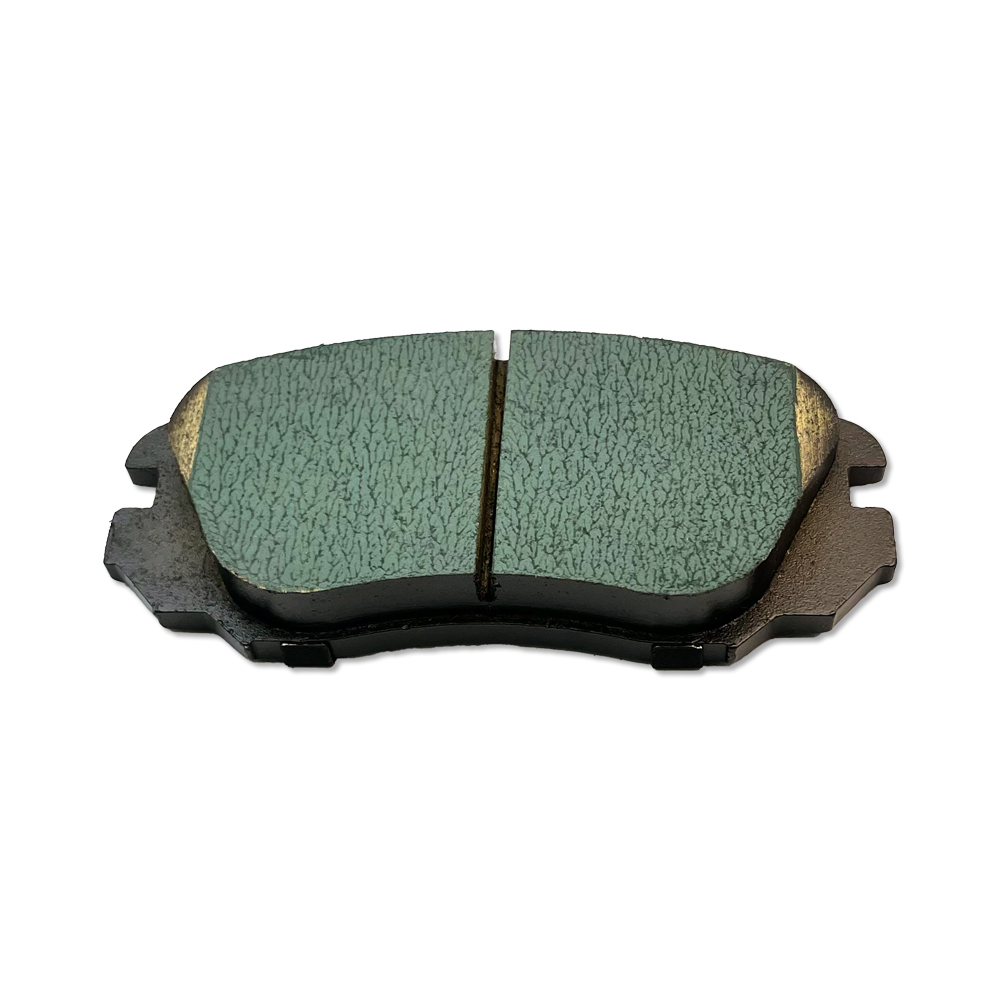
How Ceramic Brake Pads Reduce Noise: Material Science and Damping Principles
Adherent Friction Technology and Vibration Damping
Ceramic brake pads cut down on noise because they create a thin, even layer on the rotor surface when they rub against it. This layer works kind of like a shock absorber between the pad and rotor. What makes them different from regular metal pads is how this special coating actually soaks up the energy created when braking happens, stopping those annoying vibrations before they start. Research in friction science shows these ceramic coatings can knock out around half of the high-pitched squealing sounds we all hate. Plus, they stay stable even when things get really hot (up to about 650 degrees Celsius), which means no breakdown issues that lead to that terrible sticking and slipping feeling. Most importantly, this noise reduction lasts throughout the whole lifespan of the brake pads, even if someone drives aggressively all the time.
Ceramic Fibers' Role in Suppressing High-Frequency Oscillations
Alumina silicate ceramic fibers act kind of like tiny vibration dampers at the microscopic level. They stop those really high frequency vibrations (anything over 5 kilohertz) from getting loud enough for people to hear them. What happens is these fibers turn the vibrational energy into almost nothing but heat thanks to internal friction inside the material itself. This stops those annoying resonance spots where noise gets amplified and causes that terrible squealing sound. Tests in labs have found that ceramic brake pads cut down on this high pitch noise by around 15 to maybe even 20 decibels compared to regular semi metallic ones. The way these fibers work together with the friction surface creates two different ways of noise control. This has been confirmed through standard tests following SAE J2521 protocols which measure exactly how well brakes suppress unwanted sounds during operation.
How Ceramic Brake Pads Reduce Dust: Wear Chemistry and Particle Control
Low-Transfer Coefficient and Thermally Stable Wear Debris
Ceramic brake pads create much less dust because of how they work at a material level. First, they have what's called a low transfer coefficient, meaning less stuff sticks to the rotors during braking. Plus, when these pads wear down, they form debris that stays stable even when hot. This is very different from semi metal pads that can release harmful VOCs when things get too hot. Ceramic materials hold together much better, staying intact until temperatures reach around 1200 degrees Fahrenheit according to industry standards set by SAE. Tests done on actual cars driving through city traffic show ceramic pads leave behind about 70 percent less visible dust than regular pads do over time. Makes sense why so many drivers are making the switch nowadays.
Ceramic–Carbon Fiber Matrix Effects on Oxidation Resistance and Particle Size
The ceramic–carbon fiber matrix fundamentally refines wear behavior:
- Oxidation resistance: Carbon fibers impede oxygen diffusion, reducing oxidative wear by ≤40% versus non-reinforced formulations
- Particle size control: Ceramic grains fracture into fine, micron-scale debris (5–15 μm), not coarse metallic flakes
- Adhesion prevention: Hydrophobic ceramic surfaces repel moisture, limiting dust adhesion to wheels
| Property | Conventional Pads | Ceramic Pads | Dust Impact |
|---|---|---|---|
| Primary Debris Size | 20–50 μm | 5–15 μm | Less visible residue |
| Oxidation Rate | High | Low | Reduced volume |
| Thermal Stability | ≤800°F | ≤1,200°F | Consistent particles |
Real-World Performance of Ceramic Brake Pads: Thermal Stability and Consistency
Ceramic brake pads handle heat really well and maintain good stopping power even when things get hot out there on the road. These pads can take temperatures as high as 800 degrees Celsius, which is way past what organic pads start breaking down at around 500 degrees. They also don't lose their grip during long downhill stretches or when stuck in heavy stop-and-go traffic situations. The special ceramic fibers inside these pads help them cool down faster than semi-metallic alternatives by about 40 percent. This means they stay effective without developing that shiny glazed surface that reduces friction. Tests according to SAE standards have shown less than 10% difference in performance whether starting from cold or after multiple high speed stops. Plus, because they expand less when heated, there's better contact between pad and rotor throughout all driving conditions. Drivers will notice consistent pedal feel whether they're stopping suddenly on slick city streets or navigating through dry desert terrain where temperatures soar.
Ceramic vs. Other Brake Pad Types: Objective Dust and Noise Comparison
SAE J2784 Test Data: Ceramic, NAO, Semi-Metallic, and Legacy Asbestos
Standardized SAE J2784 testing provides objective, repeatable comparisons across brake pad materials:
- Noise levels: Ceramic pads average 55–65 dB, markedly lower than semi-metallic (70–85 dB) and Non-Asbestos Organic (NAO) pads (65–75 dB). Their dense, vibration-dampening structure suppresses high-frequency squeal at its origin.
- Dust output: Ceramic formulations produce 40% less dust than NAO pads and 2–3× less than semi-metallic alternatives. Thermally stable, hydrophobic particles resist oxidation and wheel adhesion.
- Fade resistance: Ceramic maintains stable friction coefficients (0.35–0.45μ) up to 650°C—outperforming NAO pads in repeated-stop scenarios and matching semi-metallic durability without the noise or dust trade-offs.
| Material | Avg. Noise (dB) | Dust Output | Max Temp Tolerance |
|---|---|---|---|
| Ceramic | 55–65 | Low | 650°C |
| NAO | 65–75 | Moderate | 500°C |
| Semi-Metallic | 70–85 | High | 700°C |
| Legacy Asbestos* | 75+ | Extreme | 300°C |
| *Phased out due to health risks. Data reflects historical benchmarks. |
Ceramic's hybrid ceramic-carbon matrix delivers balanced acoustic damping and precise particle control—making it the most consistently effective choice for daily driving where quiet operation, clean wheels, and reliable stopping power are priorities.
FAQ
Are ceramic brake pads quieter than semi-metallic ones?
Yes, ceramic brake pads are generally quieter than semi-metallic pads due to their vibration-dampening construction.
Do ceramic brake pads produce less dust?
Yes, they produce significantly less dust than traditional semi-metallic pads, keeping your wheels cleaner.
Can ceramic brake pads handle high temperatures?
Ceramic brake pads maintain performance even at high temperatures up to 650°C, and are less prone to fading than some other materials.
Do ceramic brake pads have a longer lifespan?
Ceramic brake pads are known for longevity due to their durable material properties and consistent performance under various conditions.