EN
EN


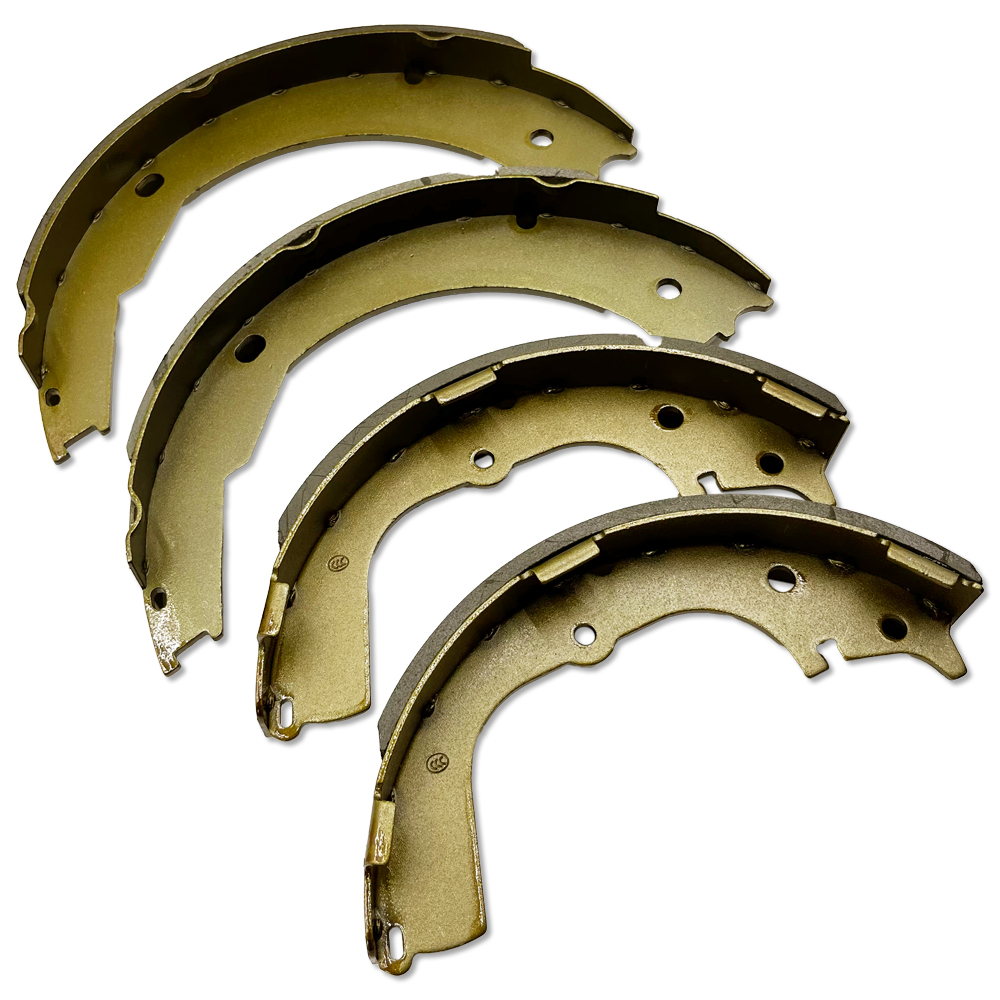
Strategic Sourcing of Brake Shoes for Multi-Location Repair Chains
Why fitment accuracy and certification consistency are non-negotiable across locations
When brake shoes don't meet the same specs from one location to another, it really puts vehicles at risk while also hurting service quality and damaging brand reputation. Small differences in dimensions might not seem like much, but they actually lead to problems like uneven braking, damaged rotors, or parts failing too soon. These issues then create expensive fixes, lots of warranty claims, and bad publicity for repair shops. The numbers tell a story too national chains are looking at around $740,000 lost each year per incident just on labor costs and warranty work because parts don't fit right according to research from Ponemon Institute back in 2023. Sticking strictly to the original equipment manufacturer's engineering specs makes all the difference. Following these guidelines along with industry standards such as SAE J431, FMVSS 105, and DOT regulations helps maintain consistent mechanics across different service centers. This approach keeps everything compliant with laws and regulations while delivering reliable results no matter where someone takes their car for repairs.
Building a centralized brake shoes procurement framework: OE compliance, lot traceability, and regional scalability
Leading auto repair networks mitigate supply risk and quality drift by implementing unified procurement systems built on three interdependent pillars:
- OE compliance validation: Digital specification libraries map exact friction material composition, geometry, and mounting interface requirements per vehicle platform—automating supplier vetting and rejecting non-conforming submissions.
- Blockchain-backed traceability: Each production lot receives a unique digital ID linking raw material sourcing, third-party test reports (e.g., shear strength, thermal decay), and distribution history—enabling rapid root-cause analysis during quality events.
- Diversified sourcing ecosystems: Regional distribution hubs maintain standardized inventories while drawing from a pre-qualified network of domestic and near-shore manufacturers—balancing cost, speed, and quality control without sacrificing scalability.
This integrated approach reduces procurement costs by 18% (ABI Research, 2024), cuts average downtime during regional disruptions by 32%, and supports seamless expansion beyond 50+ locations.
Evaluating Brake Shoes Suppliers: Certifications, Validation, and Reliability
Must-have certifications: DOT, SAE J431, FMVSS 105, ECE R90, and IATF 16949 for brake shoes
Certifications are not checkboxes—they’re evidence of process discipline and safety accountability. Repair chains must verify that suppliers hold active, auditable certifications across five core areas:
- DOT registration, confirming friction material stability under sustained high-temperature conditions;
- SAE J431, governing tensile and compressive strength of brake shoe assemblies;
- FMVSS 105 and ECE R90, validating consistent braking force across temperature ranges (–40°C to +300°C);
- IATF 16949, demonstrating robust manufacturing controls—including statistical process monitoring and corrective action systems.
Chains sourcing internationally face a 15% higher defect rate without ECE R90 validation (Global Automotive Compliance Report, 2023), and certification lapses correlate strongly with 37% higher warranty claim volumes across multi-location operations.
Operational due diligence: MOQ flexibility, sample testing (friction material & coating adhesion), and return policy clarity
Paper compliance is insufficient. Operational rigor requires hands-on validation:
- Sample testing: Require documented lab results for shear strength (>8 MPa per ASTM D1002) and salt-spray resistance (>240 hours corrosion-free per ASTM B117);
- MOQ flexibility: Prioritize suppliers offering tiered minimums (e.g., 500-unit pilot orders) to de-risk regional inventory planning and seasonal demand shifts;
- Return protocols: Contracts must define defect resolution timelines (<72 hours), restocking terms, and liability for field failures—not just warehouse returns.
Standardizing these protocols across locations has helped leading chains reduce procurement-related rework by 18% and cut time-to-resolution for quality incidents by over 50%.
Private-Label Brake Shoes: OEM/ODM Partnerships for Brand Control and Margin Optimization
The rise of co-branded brake shoes: Data-driven adoption by national repair chains
Private label brake shoes aren't just about margins anymore they're becoming a key part of how brands maintain their reputation and stand out technically. According to Aftermarket Supplier Benchmark numbers from 2023, around 42 percent of major repair chain stores started these co-branding initiatives. What's interesting is that cost cutting wasn't really the main driver here. Instead shops wanted assurance that parts would fit properly, perform consistently under heat, and give them complete say over what goes into the friction material. These programs actually use data gathered from fleets operating in all sorts of climates to test things like how long parts last, how quiet they run, and whether they hold up when brakes get hot before bringing products to market. And look at the results? Shops see anywhere between 15 to 30 percentage points higher gross margins compared to buying off the shelf alternatives. Plus customers tend to stick around longer and mechanics report feeling much more confident about recommending these branded parts.
Structuring win-win private-label agreements: Balancing IP, lead time, quality control, and minimum order commitments
Successful OEM/ODM partnerships hinge on contractual clarity—not just volume incentives. Four elements are non-negotiable:
- Intellectual Property (IP) ownership: Explicitly assign rights to design patents, material formulations, and test methodologies—avoiding post-launch disputes over upgrades or licensing;
- Production flexibility: Tiered MOQs (e.g., 1,000 units for pilot launch — 5,000+ for national rollout) align with phased deployment and regional demand curves;
- Quality enforcement: Mandate independent lab verification of shear strength, coefficient-of-friction stability, and coating adhesion—using ISO/IEC 17025-accredited facilities;
- Logistics alignment: Include clauses for regional warehousing, consignment stock options, and guaranteed lead times under 45 days—even during peak demand.
Manufacturers granting audit rights and publishing transparent failure-rate metrics consistently secure longer-term contracts. Phased rollouts—starting with 10 pilot locations and scaling only after 90-day field validation—minimize systemic risk while building internal operational readiness.
FAQ
Why is fitment accuracy important in brake shoe procurement?
Fitment accuracy ensures the brake shoes match the original equipment manufacturer specs across all locations, preventing issues like uneven braking and premature part failures.
What are the key certifications required for brake shoe suppliers?
Key certifications include DOT, SAE J431, FMVSS 105, ECE R90, and IATF 16949 to ensure process discipline, safety accountability, and product reliability.
How can procurement frameworks reduce costs and downtime?
By implementing OE compliance validation, blockchain-backed traceability, and diversified sourcing ecosystems, leading networks can reduce procurement costs by up to 18% and downtime during disruptions by 32%.
What benefits do private-label brake shoes offer?
Private label brake shoes offer higher gross margins, reputation maintenance, and allow repair chains to have control over part specifications and quality, leading to longer customer retention.