EN
EN



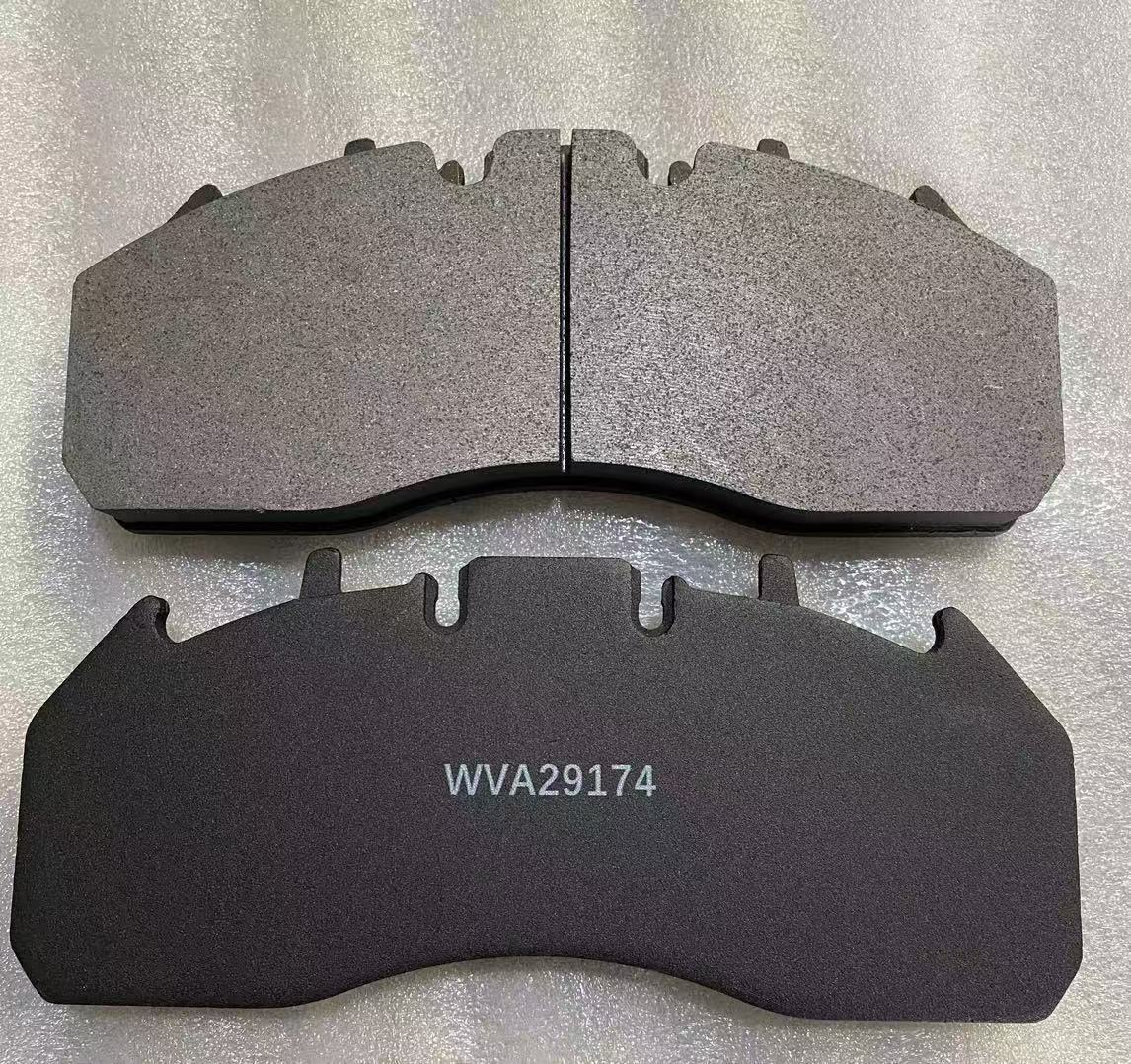
Understand Long-Haul Operational Demands on Truck Brake Linings
Thermal Stress and Brake Fade Across 500,000+ Annual Miles
When vehicles repeatedly stop from highway speeds, the brakes can get really hot sometimes reaching over 600 degrees Fahrenheit. This kind of heat breaks down regular friction materials after many uses. The constant heating and cooling cycle makes brake pads wear out faster and causes inconsistent stopping power. What happens next is something called brake fade where the vehicle just doesn't stop as well anymore. In extreme cases, stopping distances can increase by around 40% when carrying heavy loads for long periods. For commercial fleets that put on half a million miles or more each year, they need special brake compounds designed to handle all this heat stress rather than just providing good initial grip when cold.
Corrosion and Contamination Risks in Coastal, Winter, and High-Humidity Routes
When parts are exposed to harsh environments, their lining integrity tends to suffer quite a bit. Coastal areas where salt is always in the air actually speed up rust formation by around 47% when compared to dry inland locations according to Transportation Maintenance Journal from last year. And let's not forget about those winter road treatments either. The mix of ice melt chemicals creates this gritty slurry that gradually wears away at surface materials over time. High humidity levels also play a role in weakening the bond between the friction compound and whatever backing plate it sits on. All these factors together mean regular maintenance needs to include linings that have proper sealing against corrosion. Simply going for thicker pads won't cut it in these tough conditions.
Mechanical Load Cycling Under 40+ Ton Gross Vehicle Weight
When a 40 ton plus GVW truck slows down, all that kinetic energy gets turned into serious mechanical stress for the brakes. Think about what happens during each stop—the brake linings experience compression forces similar to having seventeen elephants standing on something as small as a dinner plate. This kind of constant loading wears out not only the friction materials but also weakens those bonding points between components, which makes them more likely to come apart over time. For these heavy duty applications, good braking performance isn't just about using high friction materials anymore. Manufacturers need robust anchoring systems and really strong backing plates that can withstand repeated stress cycles without failing. Otherwise, even the best friction compound won't help much when everything else starts breaking down.
Calculate True Total Cost of Ownership for Truck Brake Linings
Lifecycle Savings: How 22% Longer-Lasting Linings Cut Labor and Downtime by $1,420/Vehicle/Year
Better quality brake linings last roughly 22% longer than standard ones, which means they need replacing less often and saves money on labor costs too. What does this actually mean for operators? Around $1,420 saved each year per vehicle when factoring in reduced trips to the repair shop and minimized downtime for the whole fleet. When we look at larger operations, say something like a fleet of 50 trucks, those savings really start to add up to about $71k annually that goes back into the business instead of out the door. Another benefit worth mentioning is that these longer lasting components require far fewer adjustments during routine inspections. Mechanics can spend their time on more important tasks rather than constantly checking brakes that wear down too quickly.
Hidden TCO Factors: Rotor Wear, Adjustment Frequency, and Warranty Limitations
True cost of ownership goes far beyond the price tag:
- Rotor Wear: Substandard linings accelerate rotor scoring, raising replacement costs by 40% (Ponemon 2023)
- Adjustment Frequency: Low-quality friction materials require three times more manual adjustments during routine inspections
- Warranty Gaps: Most standard warranties exclude wear-related rotor damage and laborâeven when premature failure stems from lining incompatibility
Operators who prioritize upfront cost often pay 63% more over the liningâs full service life once these compounding factors are included.
Choose Premium Friction Formulations for Fade Resistance and Thermal Stability
Ceramic-Metallic Hybrids vs. Low-Metallics: Superior Fade Recovery at 650°F (SAE J211 Data)
When it comes to long haul trucking operations, choosing the right friction material isn't just about price tags but actually matters for safety reasons. Ceramic metallic brake pads show impressive results in lab tests, hitting around 95% fade recovery when temps reach 650 degrees Fahrenheit according to SAE J211 standards. That's roughly 25% better than what we see from standard low metallic options. What makes these pads work so well? They've got this special blend of ceramic fibers that help dissipate heat quickly combined with metal particles that keep grip levels stable even when things get hot. Truckers will find these pads particularly useful during those long downhill stretches carrying heavy cargo loads. The ability to resist fading translates directly into better control for drivers and helps meet those strict FMCSA requirements for braking performance.
Additional advantages include:
- 30% lower wear rates than low-metallic formulations
- 40,000+ mile service life extension in high-stress applications
- Minimal dust generation, reducing wheel-end cleaning and inspection time
| Property | Ceramic-Metallic Hybrids | Low-Metallics |
|---|---|---|
| Fade Recovery at 650°F | 95% | 70% |
| Thermal Stability | Excellent | Moderate |
| Wear Resistance | High | Medium |
Fleets operating in mountainous or high-grade terrain should treat ceramic-metallic hybrid linings as a core reliability investmentânot an optional upgrade.
Verify Mechanical Integrity: Bonding, Anchoring, and Corrosion-Resistant Backing
NRS Hook Anchoring Reduces Liner Delamination by 92% in Load-Bearing Axles
Standard riveted linings tend to break down early when exposed to the intense shear forces from load bearing axles. The NRS hook anchoring system addresses this problem through mechanical interlock between friction material and shoe plate all around the edge. This spreads out the stress evenly and stops those annoying cracks from forming around rivet holes. According to tests following SAE J661 standards, we see about 92 percent less delamination in heavy haul situations. That translates to roughly 38% fewer breakdowns on the road for brake failures during long service runs of around half a million miles.
Galvanized Steel Backing Extends Service Life 2.8Ã in Northeastern Winter Conditions
Regular steel backing plates tend to break down pretty fast when they come into contact with magnesium chloride de-icing salts and all that moisture from coastal areas. The result is rust jacking that actually breaks apart the bond between surfaces. When we look at hot dip galvanization though, it forms a solid zinc shield that has been tested against corrosion for over 1,200 hours according to ASTM B117 standards. That's about three times better than what most other coatings can handle. What really matters here is how this protection keeps things intact right where the friction meets the backing material. For Northeast winters specifically, these galvanized plates last around 210,000 miles before needing replacement, which works out to almost three times longer than regular uncoated options would manage under similar conditions.
Frequently Asked Questions
What is brake fade and why is it a concern?
Brake fade occurs when brakes lose their efficiency after repeated use, especially from high speeds, leading to longer stopping distances. It is a concern because it compromises vehicle safety, particularly in heavy load conditions.
How does environment affect brake lining wear?
Harsh environments like coastal areas and winter roads accelerate corrosion and wear on brake linings and backing plates. Chemicals and high humidity also weaken the bond between friction compounds.
What are the benefits of ceramic-metallic hybrid brake linings?
The benefits include superior fade recovery, high thermal stability, lower wear rates, extended service life, and reduced dust generation, making them ideal for long hauls and harsh conditions.
Why is the total cost of ownership important when choosing brake linings?
Considering the total cost of ownership helps fleets save money by reducing maintenance costs, downtime, and extend service intervals, rather than only considering the initial purchase price.
Table of Contents
- Understand Long-Haul Operational Demands on Truck Brake Linings
- Calculate True Total Cost of Ownership for Truck Brake Linings
- Choose Premium Friction Formulations for Fade Resistance and Thermal Stability
- Verify Mechanical Integrity: Bonding, Anchoring, and Corrosion-Resistant Backing
- Frequently Asked Questions