EN
EN



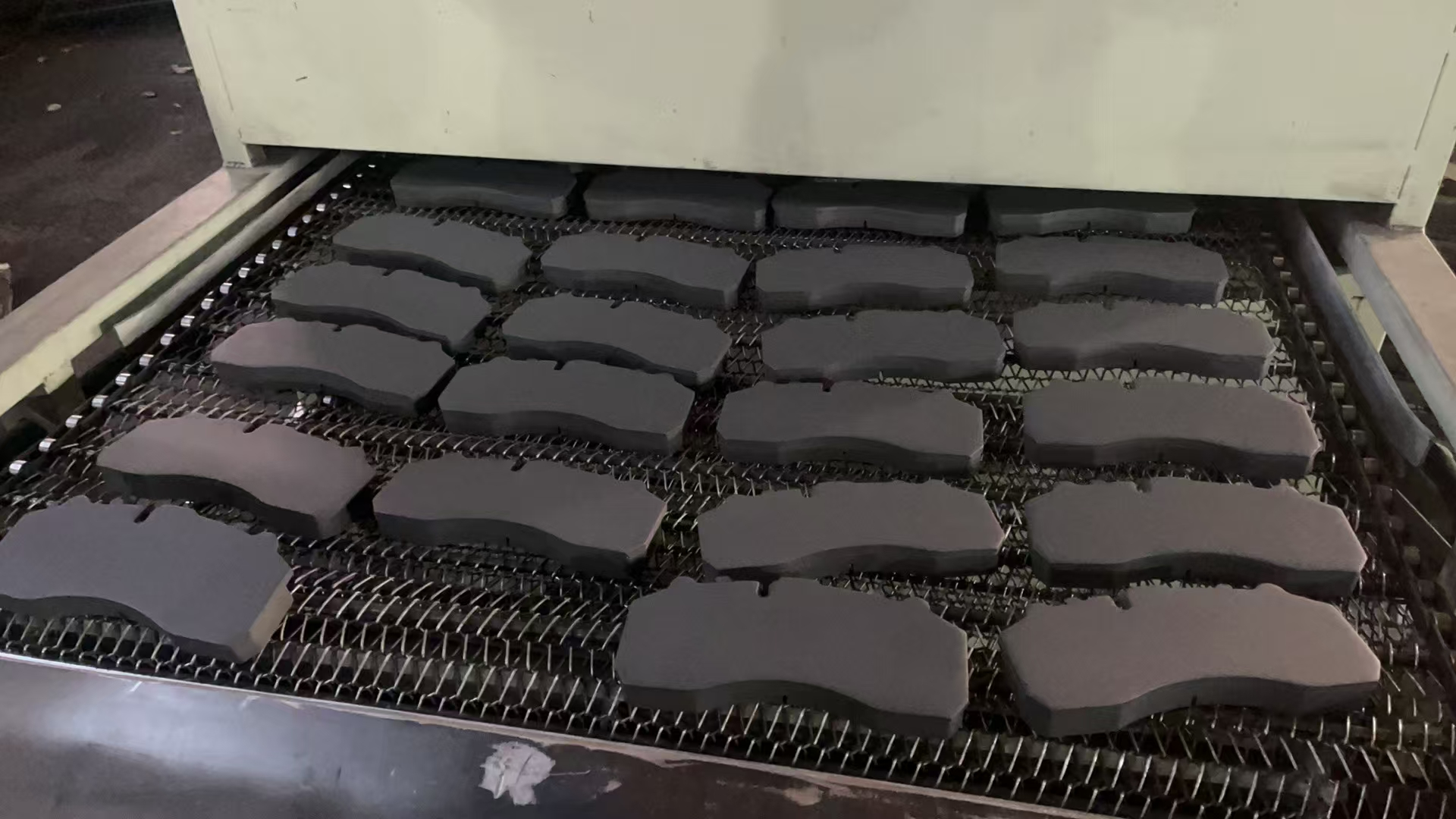
Conduct Visual and Dimensional Inspection of Truck Brake Lining
Verify thickness, wear indicators, and surface integrity against FMVSS No. 121 requirements
The Federal Motor Vehicle Safety Standard known as FMVSS 121 establishes required minimum conditions for truck brake linings. When checking thickness, mechanics typically use either calipers or specialized brake spoons. For riveted linings, there needs to be at least a quarter inch remaining material. Bonded linings have different requirements too, needing about an eighth inch plus enough depth to cover all the rivets completely. Most brake linings come with wear indicators these days, which are basically long grooves cut into the surface. These should stay visible and not touch the drum surface when brakes are applied. If they do make contact, that means the lining is almost gone and won't warn drivers anymore. Technicians also need to look out for signs like cracks, deep scratches, glazed surfaces, or any oil or grease buildup. Each of these problems reduces how well the brakes work and makes stopping take longer. According to recent fleet safety reports from 2023, trucks with damaged or contaminated linings can stop up to 22% further than those with good linings. And when wear isn't even across both sides, it usually points to bigger mechanical problems somewhere else in the system, maybe misaligned drums or something wrong with the slack adjusters.
| Inspection Aspect | FMVSS No. 121 Requirement | Failure Consequence |
|---|---|---|
| Thickness | ≥1/4" (riveted); ≥1/8"+rivet depth (bonded) | Reduced braking torque |
| Wear Indicators | Visible, non-contacting grooves | Inadequate warning of depletion |
| Surface Quality | No cracks, oil contamination, or severe scoring | 40% higher fade risk |
Decode edge markings for traceability: manufacturer ID, batch number, and production date
Edge markings—laser-etched or stamped on the lining’s outer edge—are mandatory under FMVSS No. 121 and serve as the primary traceability mechanism. Decipher them in sequence:
- Manufacturer ID: A 3–5 character alphanumeric code identifying a certified production facility
- Batch number: Enables recall linkage to raw material logs and quality control records
- Production date: Used to verify shelf-life compliance—most linings maintain performance integrity for five years post-manufacture when stored properly
When receiving goods in bulk, check those markings against what came from the supplier first thing. If things don't match up, if codes look smudged or just plain missing, that's not good news. We've seen this happen too often - around 38% of early lining failures traced back to bad markings according to our latest audit reports. Make sure to scan and store all those markings right when installing components. Keeps everything documented properly for warranty purposes down the road and helps track who might be responsible if problems pop up later on.
Validate Material Composition and Thermal Performance Claims
Choosing the correct brake lining material means matching how it handles heat and friction to what the fleet actually does day to day. Organic materials tend to be quieter and create less dust when dealing with mild to moderate heat conditions. These work well for city driving or local deliveries where there are lots of short stops but not extreme temperatures. Semi metallic options contain bits of steel or copper which help spread out heat better and last longer. They're good choices for vehicles that spend time on highways at steady speeds but also need to handle occasional hard stops. Ceramic linings have these special carbon reinforced structures inside them. What makes them stand out is their ability to keep working properly even when temps hit around 600 degrees Celsius. For trucks navigating mountains, going down long hills, or hauling heavy loads where brakes might overheat, ceramic becomes almost necessary equipment.
Cross-check supplier claims using MSDS, proprietary compound documentation, and accredited lab test reports
Marketing specs alone aren't enough to go on when evaluating materials. Start by checking out the Material Safety Data Sheet first since it tells what's actually in there - the base stuff, any bonding agents used, plus possible dangers. Then take a look at how the supplier's own compound certificate stacks up against third party testing done at labs certified under ISO/IEC 17025 standards. When looking at thermal performance, focus on these three main areas: whether the material stays stable under friction between temperatures of around 100 to 500 degrees Celsius, how well it holds up after multiple exposures to high heat without fading, and most importantly, measure the wear rate in millimeters per thousand cycles. Good quality reports typically show wear rates below 0.15 mm for every 1,000 cycles and keep the coefficient of friction pretty much steady within about plus or minus 0.05 of the original reading. These numbers are really telling signs that what works in practice actually lines up with what gets promised in marketing materials.
Match truck brake lining material type (organic, semi-metallic, ceramic) to duty cycle and thermal load expectations
When choosing materials for brake systems, thermal mapping matters more than just categorizing applications. Urban environments where vehicles constantly start and stop typically see peak temps below 300 degrees Celsius, making organic linings a good choice because they're affordable and quieter during operation. Highway driving situations where trucks occasionally need hard stops work better with semi-metallic options. These can maintain friction coefficients above 0.38 even when temps reach around 600 degrees, plus they resist cracks and dust accumulation over time. For really tough jobs like big rigs going down steep hills for extended distances, ceramic linings reinforced with carbon become essential equipment. They hold onto their stopping power with friction rates above 0.35 at scorching 700 degree temps, and tests following SAE J661 standards show they recover well after heat buildup. Before buying anything, it's smart practice to check how suppliers' test results compare to those same SAE J661 benchmarks for thermal degradation.
Evaluate Third-Party Testing Data and SAE Compliance
Interpret dynamometer test results—focus on friction stability, fade recovery, and wear consistency
Dynamometer testing simulates real-world thermal stress and provides objective evidence of lining performance. When reviewing reports, prioritize three validated metrics:
- Friction stability: Variation in coefficient of friction ("μ") must stay within "±0.05" of baseline across temperature ranges—excessive drift indicates inconsistent engagement and pedal pulsation risk
- Fade recovery: Time required to regain >90% of original "μ" after five consecutive 500°C stops reflects resilience under thermal overload
- Wear consistency: Thickness loss ≤0.1 mm per 100 test cycles signals predictable service life and reduced maintenance frequency
Per NHTSA 2023 analysis, linings exhibiting >15% friction decay during aggressive fade cycles increase fully loaded stopping distance by 23 feet—a critical margin in emergency situations. Ensure all reports originate from ISO/IEC 17025-accredited labs and reflect testing across multiple production batches—not just a single prototype sample.
Confirm adherence to SAE J211 and J661 standards for coefficient of friction, thermal decay thresholds, and life-cycle wear rate
SAE J211 defines the inertia dynamometer test protocol used to measure brake performance under controlled conditions, while SAE J661 establishes pass/fail criteria for commercial vehicle linings. Require documented compliance with all three core benchmarks:
- Coefficient of friction ("μ") stability between 0.35 and 0.45 across the 100°C–350°C operational range
- Thermal decay limit: no more than 30% reduction in "μ" after five consecutive 350°C stops
- Life-cycle wear rate: ≤0.15 mm per 10,000 km for highway applications, verified via cumulative dynamometer cycling
Non-compliant linings correlate strongly with elevated safety risks—FMCSA 2022 data links them to a 27% higher incidence of wheel-end fires in heavy-haul operations. To prevent documentation fraud, cross-check test report serial numbers directly with certification bodies such as NSF International or UL Solutions before approving purchase or installation.
FAQ
What tools are recommended to measure brake lining thickness?
Calipers and specialized brake spoons are typically used to measure brake lining thickness.
Why are wear indicators important on brake linings?
Wear indicators help show when the lining is becoming too thin, preventing further wear that users may not immediately recognize.
What are the consequences of uneven brake lining wear?
Uneven wear of brake linings can indicate larger, underlying mechanical issues such as misaligned drums or malfunctioning slack adjusters.
What materials are suitable for high-temperature brake applications?
Ceramic brake linings are best suited for high-temperature applications, such as trucks navigating mountainous terrains, due to their high heat resistance.