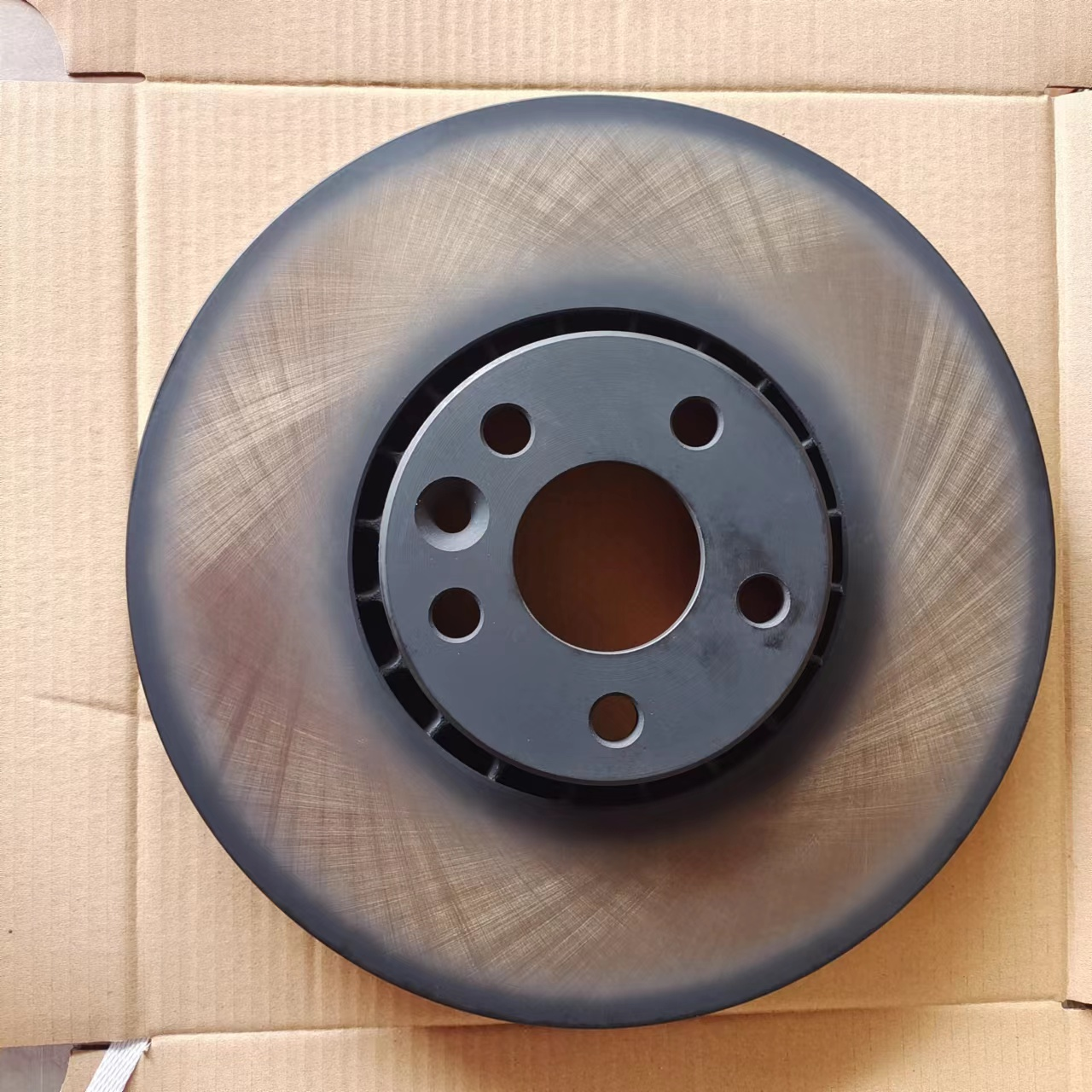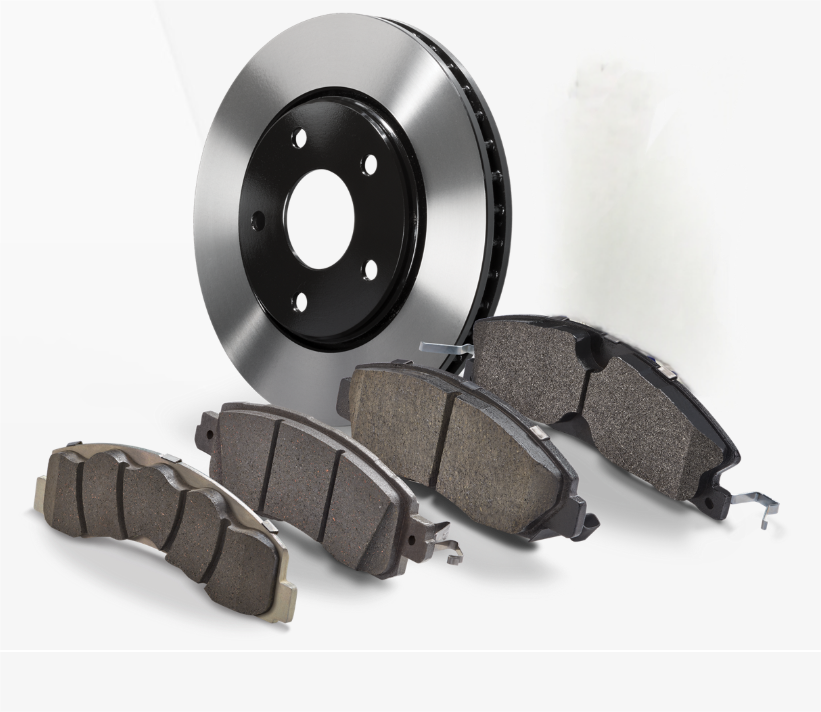
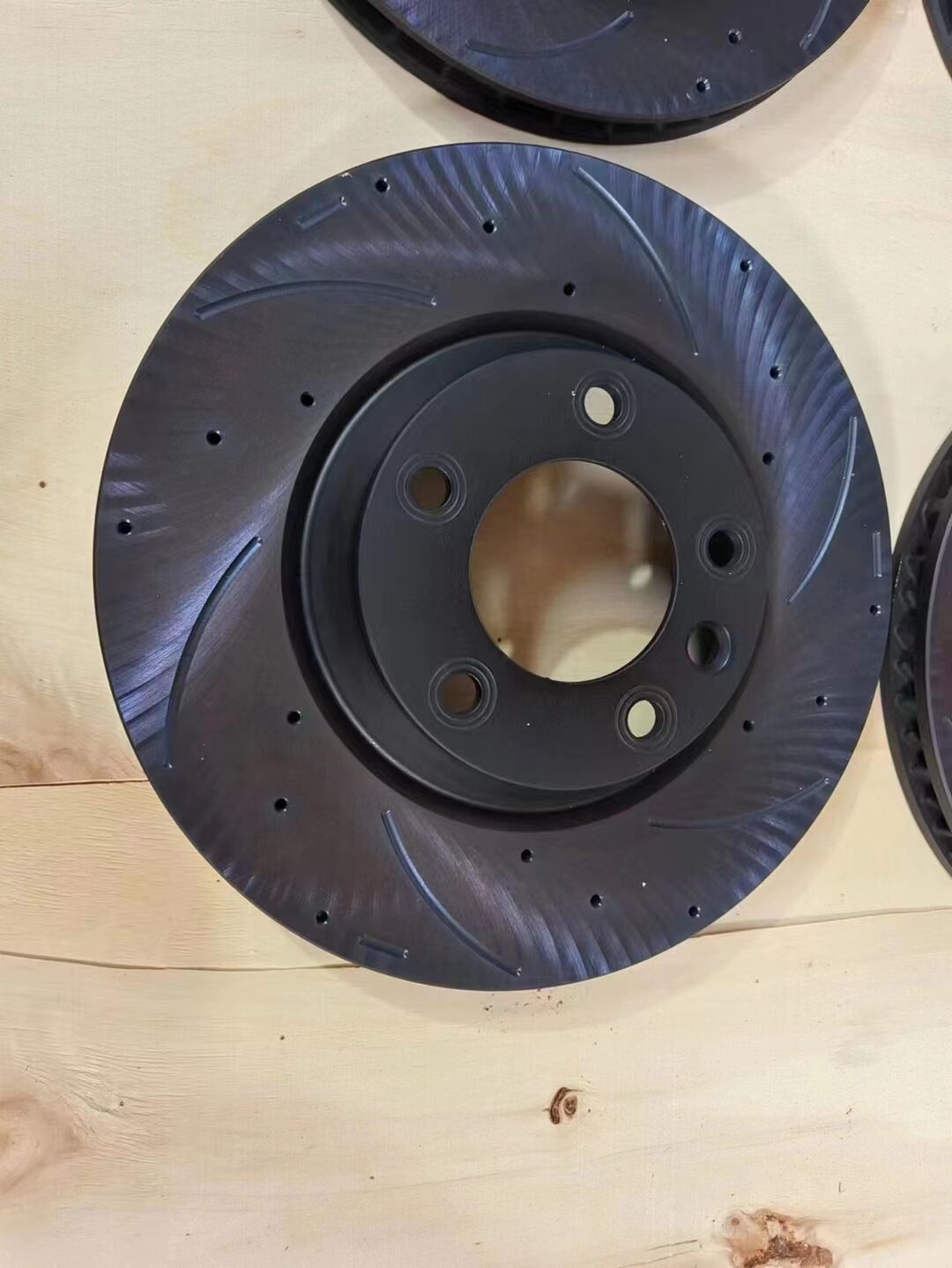
In automotive engineering, the brake disc serves as the cornerstone of the friction braking system, where its ability to consistently absorb and dissipate heat directly influences braking efficiency and safety. Material science plays a crucial role, with grey iron alloys being predominant due to their favorable friction characteristics and thermal properties. Advancements have led to the development of reinforced iron compositions and composite materials for more demanding applications. Vented disc designs, essential for front brakes on most modern vehicles, incorporate radial or helical vanes between the two friction faces to create a centrifugal fan effect, expelling heat rapidly. In motorsports, brake discs are often made from specialized materials like carbon-carbon composites, which withstand extreme temperatures but require significant heat to operate effectively, making them unsuitable for street use. For everyday motorists, the focus is on reliability, low noise, and cost-effectiveness. However, in regions with harsh winters or coastal climates, corrosion resistance becomes a significant factor, prompting the use of coated or stainless steel brake discs in certain premium applications. A real-world example can be seen in taxi fleets operating in dense urban centers, where constant braking accelerates wear; utilizing durable, heat-resistant brake discs can lead to longer service life and reduced operational costs. The process of "bedding-in" new brake discs is critical to establish an even transfer layer from the brake pads, ensuring smooth, vibration-free operation. Incorrect bedding can result in deposits that cause judder and reduced braking power. We supply a wide range of brake discs that cater to various performance and environmental needs. To receive tailored advice and current pricing information for the brake discs compatible with your vehicle, please initiate a conversation with our customer service representatives, who are equipped to provide comprehensive support.