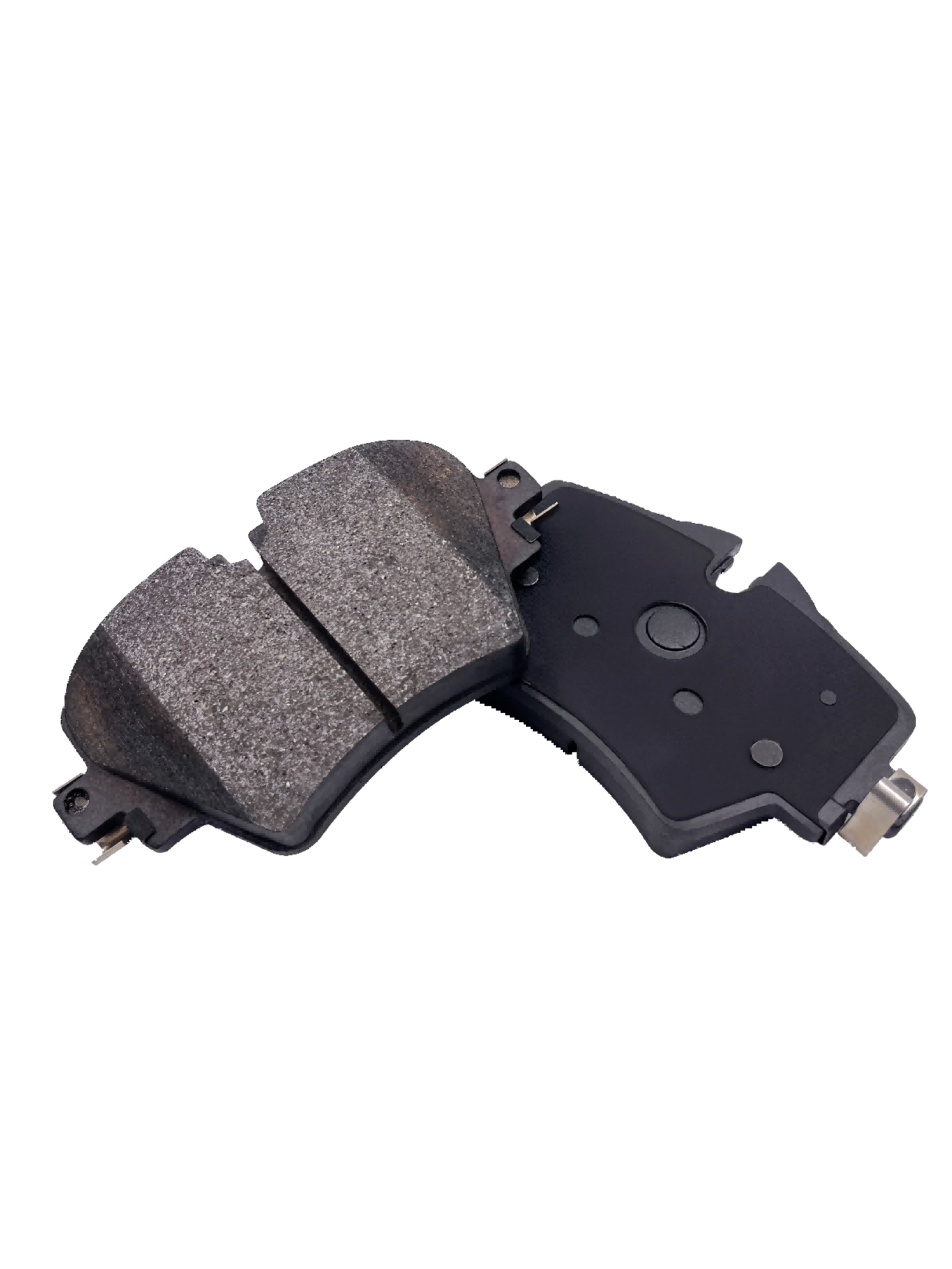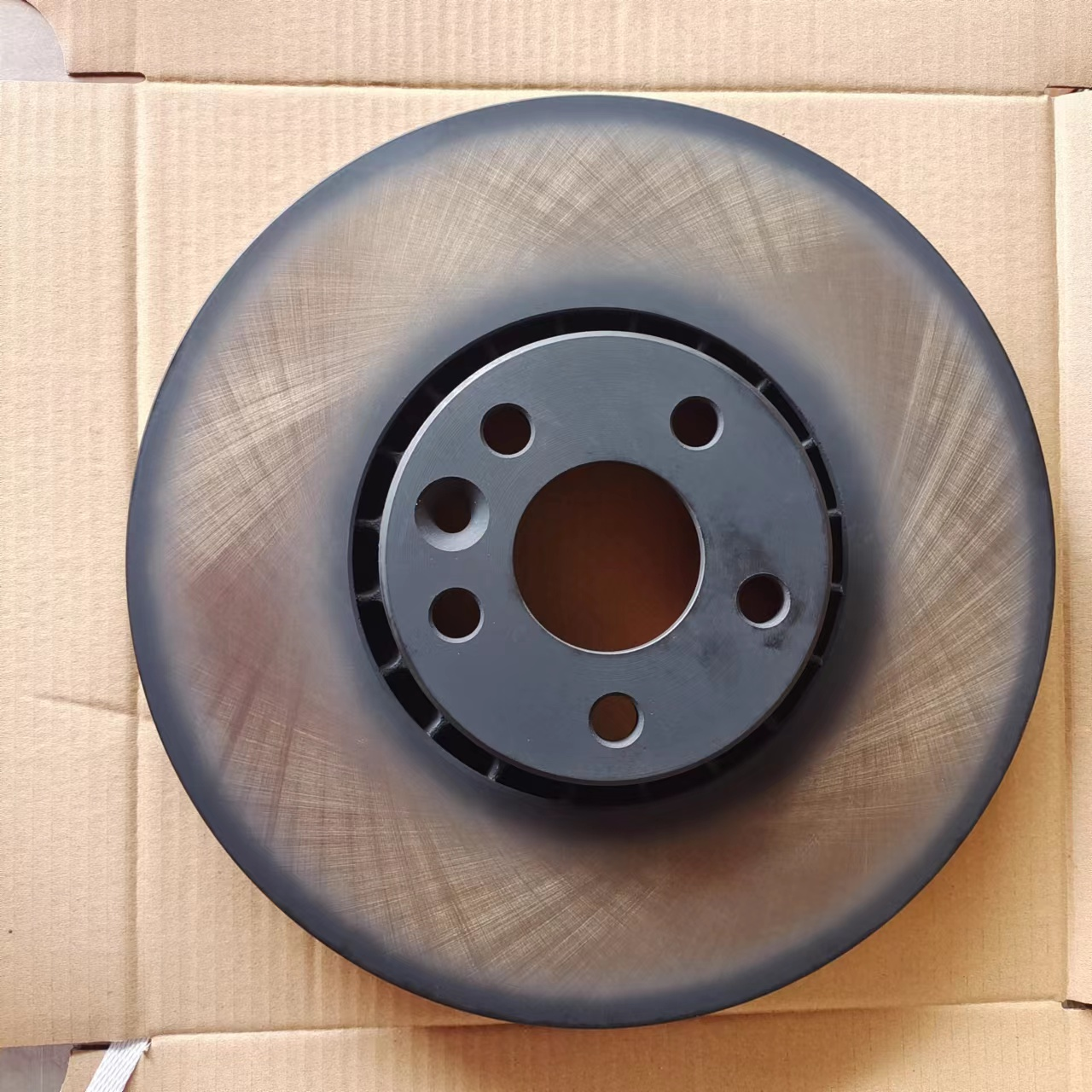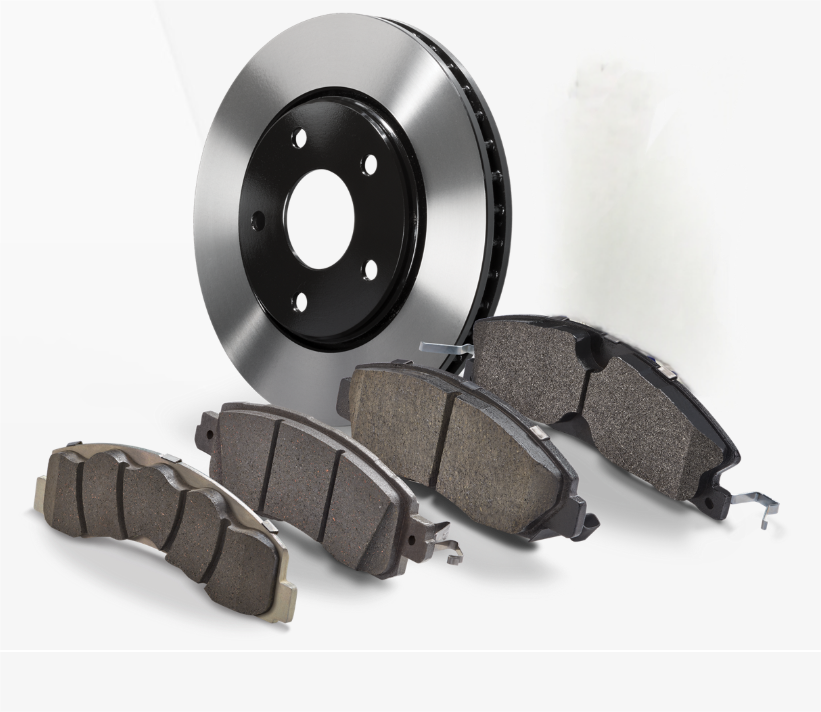
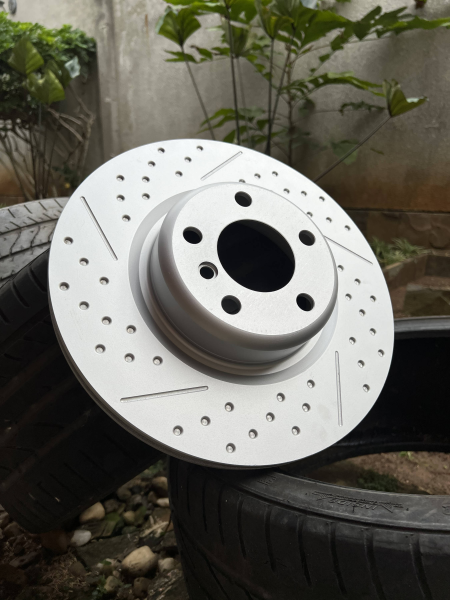
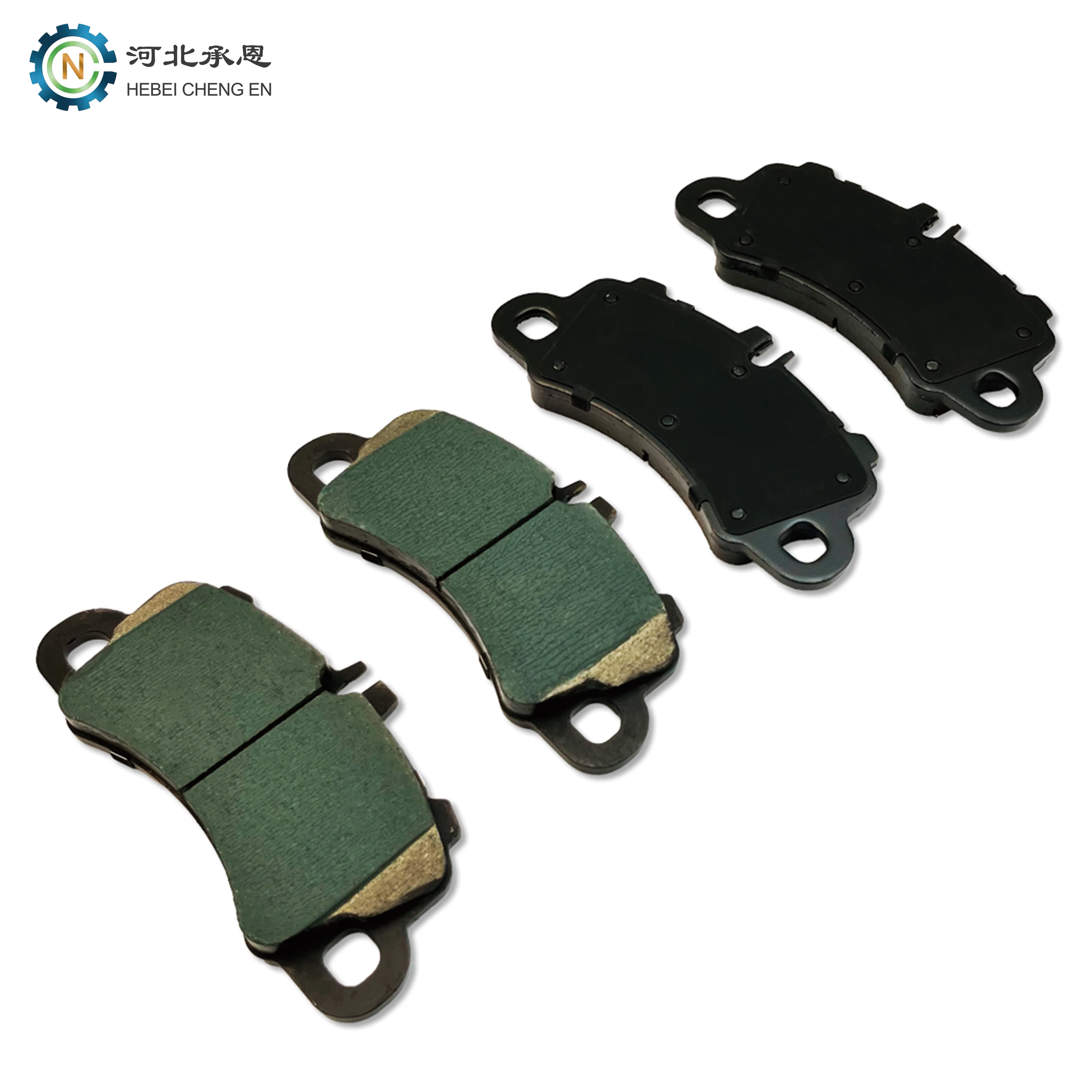
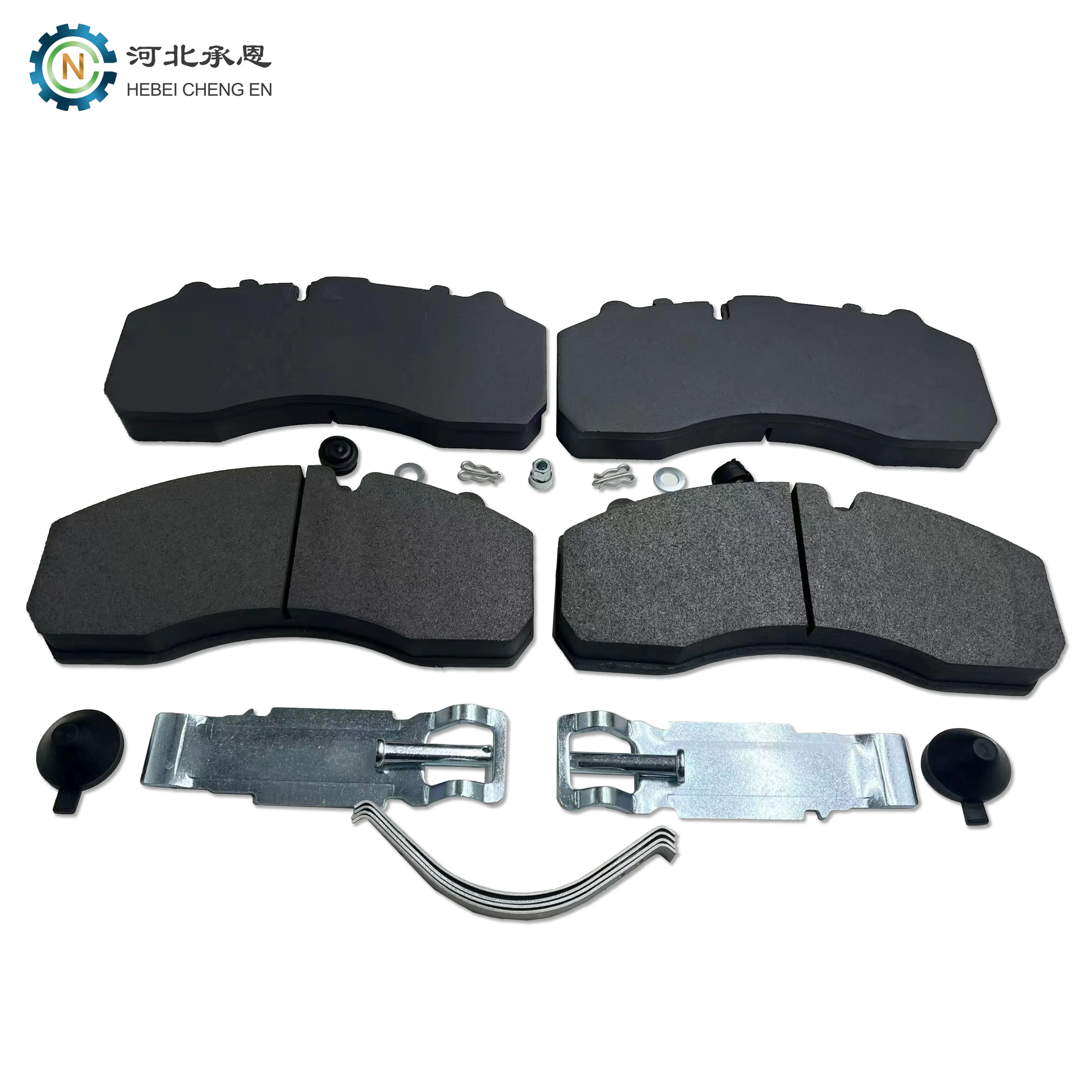
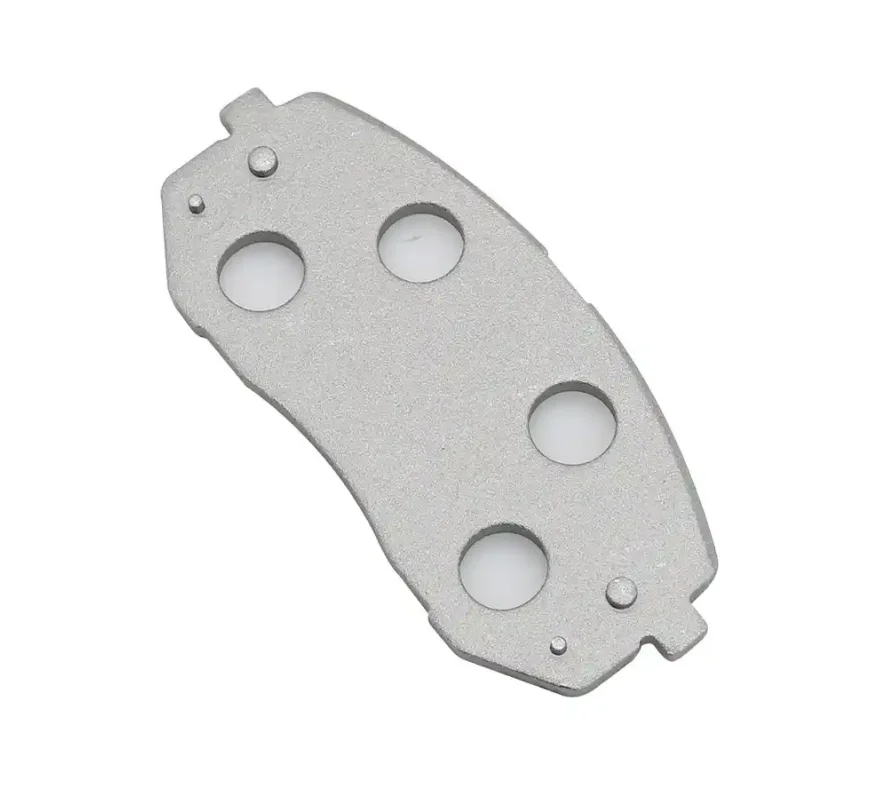
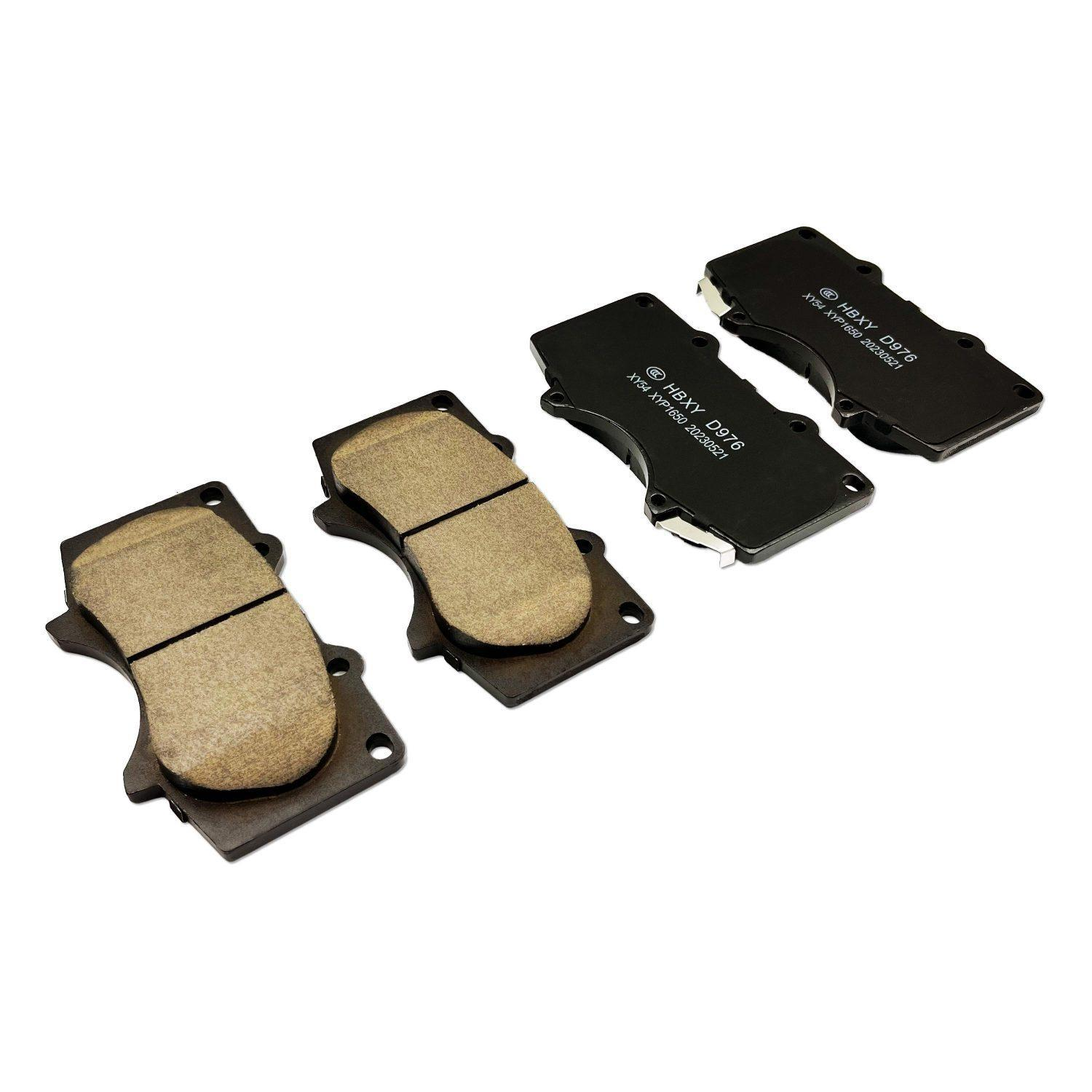
As the rotating element in disc brake systems, the brake disc's primary function is to provide a high-friction surface for the brake pads, enabling controlled deceleration. The effectiveness of a brake disc is largely determined by its ability to manage heat. Under intense braking, temperatures can soar, potentially leading to vaporization of brake fluid, pad fade, or disc warping. Modern designs address these issues through geometry and material selection. Vented discs are standard for high-heat applications, while floating brake discs, used in some high-performance and motorcycle applications, allow for thermal expansion without inducing stress that could lead to distortion. For commercial vehicles, especially those traversing mountainous regions, brake discs are a critical safety item, and their failure can have severe consequences. Therefore, these discs are often manufactured with enhanced metallurgy and undergo stringent quality control checks. A case in point is the use of laser-welded two-piece discs in performance cars, which reduce weight and improve cooling compared to one-piece designs. In electric vehicles, despite regenerative braking reducing the load on friction brakes, the brake discs must still perform reliably when needed, and corrosion from disuse can be a concern, leading to the development of coated or specially formulated discs. When replacing brake discs, it is imperative to also inspect and often replace the brake pads, calipers, and hardware to ensure system harmony. We offer an extensive selection of brake discs, each designed to deliver superior performance and longevity. For specific product recommendations, availability, and pricing details tailored to your vehicle and driving conditions, please do not hesitate to reach out to our support team for expert guidance.