EN
EN



Compliance with Hydraulic Hose Assembly Safety Standards and Regulations
OSHA, EPA, and Industry Compliance for Hydraulic Systems
For any hydraulic system operation, compliance with OSHA and EPA standards isn't optional if companies want to avoid both worker injuries and environmental damage. According to OSHA guidelines, all hose connections need to handle their normal operating pressures without breaking down. This is especially critical for preventing those dangerous high-pressure fluid injections that workers sometimes suffer even when pressures are below 100 psi (as noted in the latest OSHA Alert from 2023). Meanwhile, the EPA keeps an eye out for hydraulic fluid leaks that might seep into surrounding soil or find their way into local water sources. Most experienced technicians know that proper safety protocols call for burst pressure tests at least four times what the system normally handles. That means pushing components to around 5,000 to 6,000 psi during testing to ensure there's plenty of margin for error. When companies ignore these rules, they face steep fines that can top $150k for each violation according to OSHA records from last year, plus the headache and expense of cleaning up any environmental messes that result.
Certifications for Safety-Critical Applications: MSHA, U.S. Coast Guard, and DNV
Getting specialized certifications means equipment can last much longer in harsh conditions compared to regular gear that often breaks down twice as fast. For mines, MSHA standards demand hoses that won't catch fire even when exposed to temperatures around 1,000 degrees Fahrenheit, which matters a lot underground where heat buildup is constant. The U.S. Coast Guard has different requirements focusing on how well materials resist saltwater damage and control flames spreading through boats and ships. DNV testing involves putting components through repeated pressure changes that mimic what happens during a decade or more at sea. None of these approvals work the same way because they tackle completely different risks faced by workers in various industries day after day.
Alignment with SAE J517 and ISO Standards (e.g., ISO 100R7, 100R8)
The safety and ability of different systems to work together around the world really hinges on following both SAE J517 and ISO standards. For North American systems specifically, SAE J517 sets out clear guidelines regarding how much they can vary in size, what kind of pressure they need to handle, and requires at least a 2 to 1 safety margin beyond normal operating conditions. When it comes to international standards like ISO 100R7 for thermoplastic materials and ISO 100R8 for rubber components, these specifications cover important aspects such as whether materials will actually work well together, what temperatures they can stand (-40 degrees Fahrenheit up to boiling water temps), and how they perform when subjected to things like constant shaking from machinery vibrations, contact with various chemicals found in industrial settings, and sudden bursts of pressure. Sticking to these standards isn't just paperwork - it makes sure everything functions properly and safely across different environments and applications.
- Interchangeability across manufacturers
- Resistance to over 300 industrial fluids
- Vibration endurance exceeding 5 million cycles
Adherence prevents 34% of hydraulic system failures linked to incompatible components (Fluid Power Journal 2023).
Performance Requirements: Pressure, Temperature, and Environmental Resistance
Safety when working with hydraulic hose assemblies depends heavily on three main factors that work together: how well they handle pressure, their ability to withstand heat changes, and their resistance to environmental conditions. When pressure goes beyond what's safe, the hose can fail suddenly, shooting out fluid at dangerous speeds that might actually pierce skin even if the pressure isn't extremely high. Extreme temperatures affect things differently too. The fluid gets thicker or thinner depending on the temperature, and the materials used in hoses also change properties. Rubber components tend to weaken quite a bit as temperatures climb past certain points. For instance, around every 50 degree increase over 200 degrees Fahrenheit, rubber loses roughly 20 percent of its strength to hold up under tension. To make sure all these numbers check out, manufacturers run extensive tests where they simulate thousands upon thousands of pressure fluctuations in controlled settings.
Pressure and Temperature Ratings as Core Safety Metrics
When it comes to pressure and temperature ratings, there's really no room for compromise these aren't just suggestions but hard requirements for any design work. The operating pressures should stay comfortably below what manufacturers specify, while temperature specs need to account for not only the environment around them but also the heat coming off nearby machinery. Take assemblies designed to handle temperatures from minus 40 degrees Fahrenheit all the way up to 300 degrees F. These components have to hold together throughout that entire range without cracking, getting too soft, or peeling apart at the seams. Anyone who has dealt with equipment failures knows how critical this actually is in real world applications.
Resistance to Abrasion, UV, Chemicals, and Electrical Degradation
Environmental resistance is essential to prevent premature degradation:
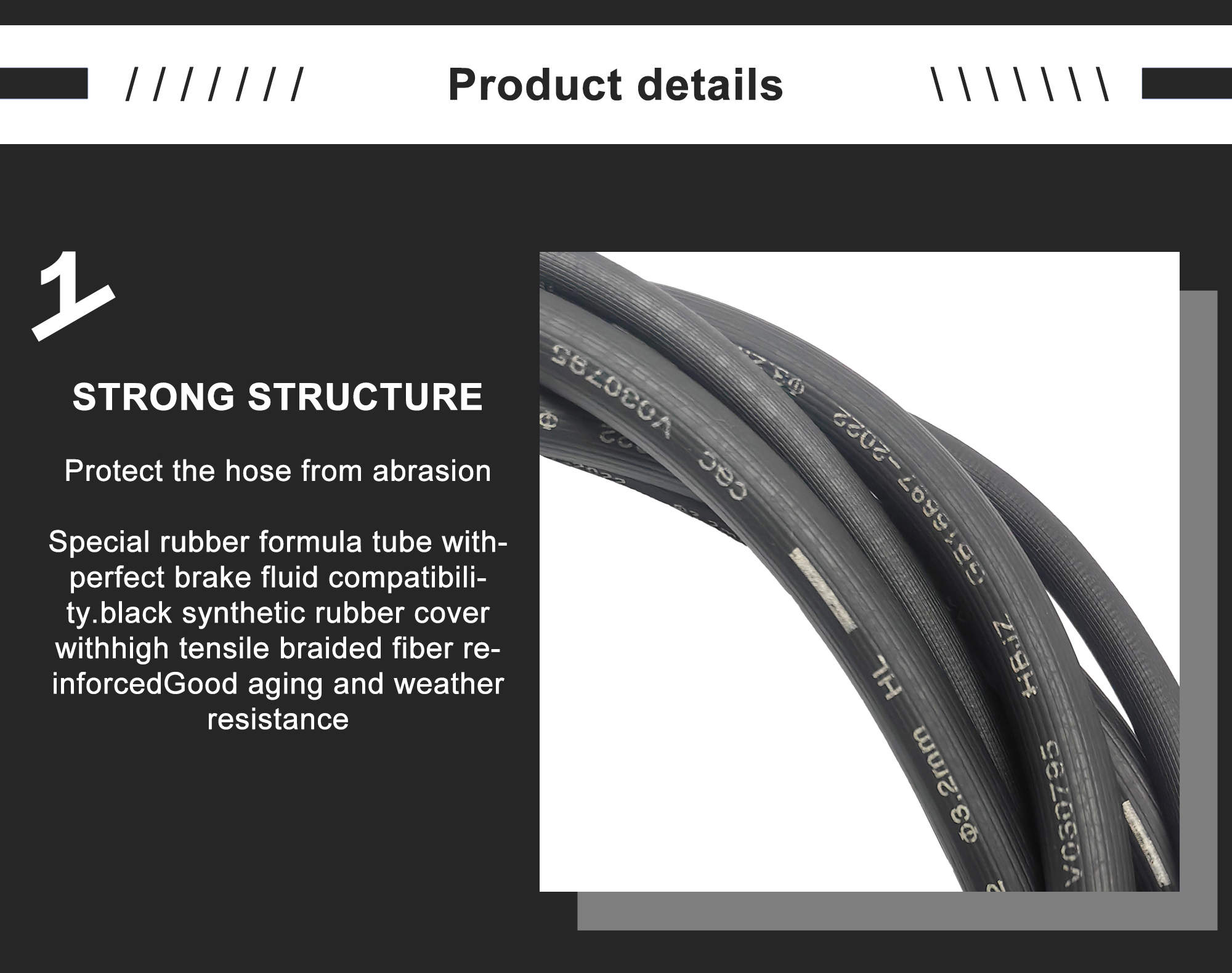
- Abrasion-resistant covers withstand rock strikes, friction against structures, and repeated flexing
- UV-stabilized materials inhibit ozone cracking and surface chalking in outdoor or sun-exposed applications
- Chemically compatible tube compounds resist swelling, hardening, or permeation when exposed to oils, solvents, or bio-based fluids
- Non-conductive layers and static-dissipative covers mitigate spark risks in explosive atmospheres such as mining or petrochemical facilities where arc flashes average $740,000 per incident (Ponemon 2023)
Dielectric Strength and Non-Conductive Design for High-Voltage Environments
When working near high voltage gear, hydraulic hoses need to handle at least 15 kilovolts of dielectric strength. Materials like EPDM and similar non conducting rubbers keep electricity from passing through, whereas special coating materials help get rid of static build up safely. The importance of this setup goes beyond just keeping workers safe. If there's an electrical arc, it can actually damage the inner layers of the hose and cause bigger problems down the line. That's why proper insulation matters so much in industrial settings where power lines and fluid systems run side by side.
Proper Component Selection and Crimping Integrity in Hydraulic Hose Assembly
Matching Hose, Fittings, and Crimping Specifications for Safety and Longevity
Getting the right match between hose, fitting, and crimp tool isn't just important it's absolutely critical for making sure everything works safely and lasts through regular use. When parts don't fit together properly, we're looking at more than 40% of all problems in hydraulic systems. These mismatch issues lead to things like annoying leaks, gradual pressure drops, or worst case scenario total system failure. The SAE J1273 standard actually lays out very specific requirements for how tightly those ferrules need to be compressed during installation. They want compression measurements within plus or minus 0.005 inches of what manufacturers recommend to stop parts from slipping apart or getting pushed out under stress. For really tough jobs where pressures exceed 5,000 psi, combining reinforced thermoplastic hoses with forged steel fittings cuts down on burst risks significantly about 70% according to field data. And let's not forget about precision crimping which helps maintain electrical insulation properties while also protecting against chemical breakdowns when working with specialized fluids that attack certain materials over time.
Aftermarket vs. OEM Components: Safety Implications and Industry Debate
The discussion between aftermarket and OEM parts really comes down to traceability and getting proper validation from third parties rather than just looking at price tags. Aftermarket fittings can save anywhere from 30 to 50 percent compared to original equipment, but there's often no official certification showing they can handle things like repeated pressure cycles, maintain stability under different temperatures, or withstand sudden bursts. According to industry reports, around one out of every five hydraulic failures in critical safety systems seems to involve these uncertified components. That said, there are now certified aftermarket options available that meet standards such as SAE J517 and ISO 100R7 requirements. These products come with complete documentation trails proving their compliance. When manufacturers can show through testing that these alternatives perform just as well as original parts, they're starting to gain wider acceptance across various industries.
Safe Installation, Inspection, and Maintenance Practices
Correct Installation Procedures per SAE J1273-2021 Guidelines
Getting the installation right starts with how we route things. Sharp bends should be avoided along with any pinch points where the hose might get squeezed. Also important is keeping the hose away from anything that moves around or has rough surfaces that could wear it down over time. The manufacturer usually specifies what kind of bends are acceptable, so those minimum radius requirements need to stay intact. Protective covering makes sense in areas where there's going to be extra wear and tear. When tightening fittings, always use properly calibrated tools instead of just guessing. Before doing anything permanent like crimping connections, double check everything is aligned correctly. Standards like SAE J1273-2021 actually set rules about how far hoses need to be kept away from hot spots such as exhaust systems or hydraulic tanks because getting too close can cause serious damage through heat exposure. According to Fluid Power Journal from last year, about one quarter of all early hose failures happen simply because someone didn't get the routing right in the first place.
Inspection Frequency and Early Detection of Hose Failure Signs
Implement bi-weekly visual inspections for:
- External cracks, blistering, or bulging
- Leakage at fitting junctions or along the hose body
- Cover abrasion exceeding 10% of original depth
Conduct pressure testing every 500 operating hours or after any impact event to detect internal wire braid damage invisible to the naked eye. Document findings using standardized assessment tools like the Hose Condition Index, which correlates observable wear with remaining service life.
Use of Personal Protective Equipment (PPE) During Hydraulic System Maintenance
Always wear cut-resistant gloves and ANSI-rated face shields when servicing pressurized systems. Fluid injection injuries often underestimated can result in tissue necrosis, amputation, or death, even at modest pressures. For high-risk tasks such as depressurization:
- Confirm zero pressure via calibrated gauges not assumptions
- Apply lockout/tagout (LOTO) procedures before disconnecting any component
- Position your body outside potential spray paths and never point a disconnected hose toward yourself or others
Non-conductive PPE is mandatory when working near energized electrical equipment.
FAQ Section
What are the consequences of non-compliance with OSHA and EPA standards?
Non-compliance can result in worker injuries, environmental damage, and steep fines up to $150k for each violation.
Why are specialized certifications important for hydraulic equipment?
Specialized certifications ensure equipment lasts longer in harsh conditions and meets specific safety standards needed for various industries.
How do SAE J517 and ISO standards impact hydraulic systems?
SAE J517 and ISO standards provide guidelines for safety and interoperability of hydraulic systems across different environments and applications.
What measures can prevent hydraulic hose failure?
Correct pressure testing, adherence to installation guidelines, proper component selection, and regular inspections help prevent hose failure.
What precautions are necessary during hydraulic system maintenance?
During maintenance, use PPE like cut-resistant gloves and face shields, perform zero pressure confirmation, and execute lockout/tagout procedures.
Table of Contents
- Compliance with Hydraulic Hose Assembly Safety Standards and Regulations
- Performance Requirements: Pressure, Temperature, and Environmental Resistance
- Proper Component Selection and Crimping Integrity in Hydraulic Hose Assembly
- Safe Installation, Inspection, and Maintenance Practices
-
FAQ Section
- What are the consequences of non-compliance with OSHA and EPA standards?
- Why are specialized certifications important for hydraulic equipment?
- How do SAE J517 and ISO standards impact hydraulic systems?
- What measures can prevent hydraulic hose failure?
- What precautions are necessary during hydraulic system maintenance?