EN
EN



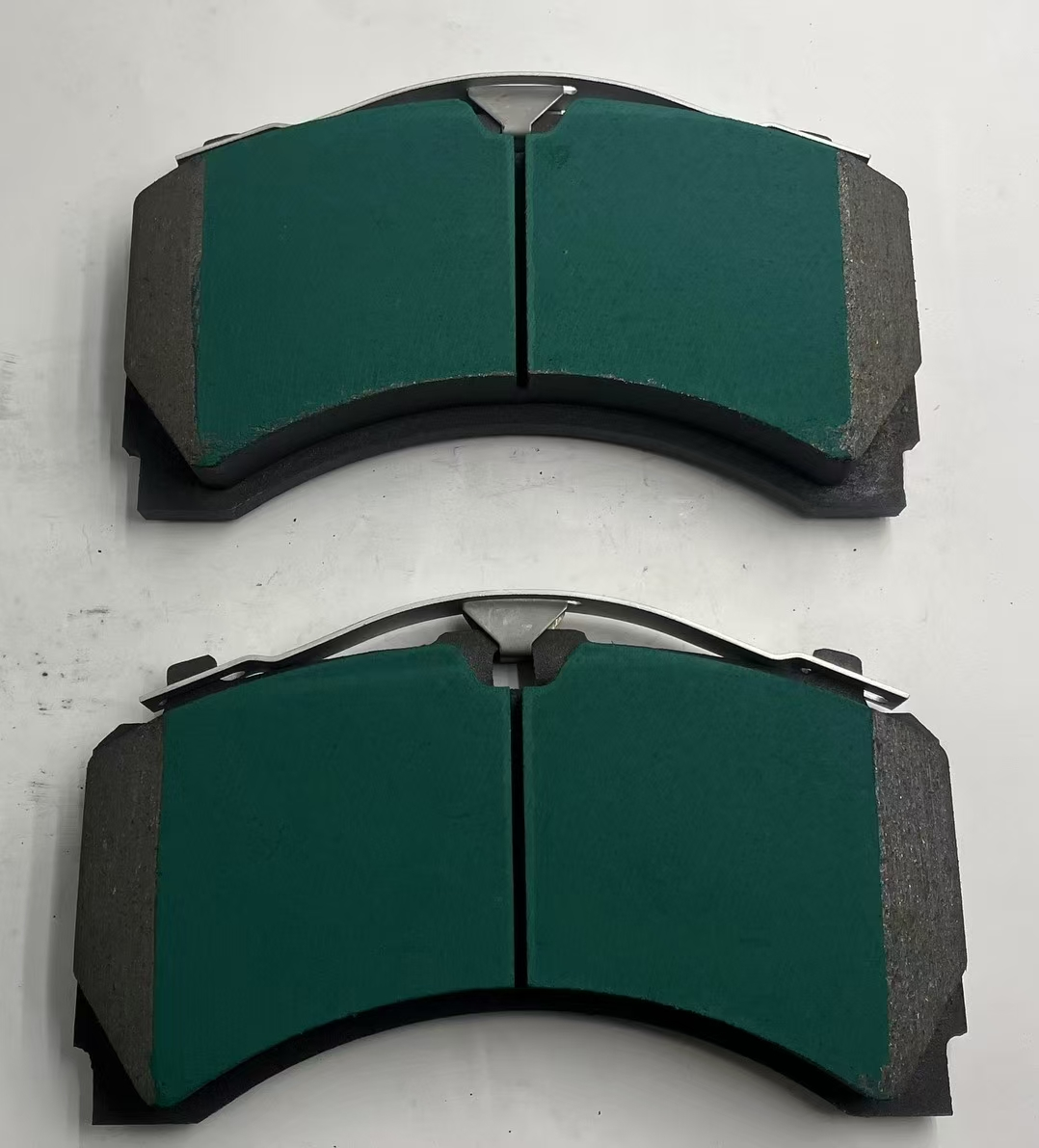
Truck Brake Pad 29087: Engineered for Maximum Stopping Power Under GVWR Loads
Friction Stability and Predictable Deceleration at 80,000 lb Gross Vehicle Weight Rating
Truck brake pad model 29087 offers remarkable friction stability when handling vehicles with up to 80,000 lb GVWR loads. This is really important for keeping control during those sudden emergency stops and avoiding dangerous jackknife situations common in heavy hauling operations. What makes this pad stand out is its special ceramic-metallic material that actually refreshes the friction surface as it experiences intense pressure, so drivers maintain good brake modulation and responsive pedal feel even after multiple uses. Testing done on dynamometers according to SAE J2707 standards shows these pads only lose about 5% in friction coefficient during repeated 60 mph emergency stops. That's way better than standard pads which typically see drops between 15% and 20%. The difference matters a lot in real world conditions where consistent braking performance can mean the difference between safety and accident.
Consistent Friction Coefficient Across Speed Ranges (20–65 mph) and Load Variability
When driving on empty highways at 65 mph or navigating city streets with heavy loads at around 20 mph, drivers get basically the same pedal response because the brake system maintains a very consistent friction level (within about 0.05 mu). This kind of stable performance matters a lot when there are sudden changes in weight distribution, which makes these brakes particularly useful for big rigs, flatbed trucks, and any vehicle that carries different amounts of cargo throughout the day. According to research from the Commercial Vehicle Brake Research group last year, these specialized pads show roughly 28 percent better friction consistency compared to regular commercial options when tested under actual road conditions with varying payloads. Plus, the specially shaped edges and how heat moves through the material help prevent those annoying grabbing sensations or vibrations that sometimes happen during stop-and-go traffic situations.
Data disclosure: Test metrics derived from SAE J2707 dynamometer protocols and fleet telematics across 12-month operational datasets.
Thermal Resilience: How Truck Brake Pad 29087 Prevents Fade in Demanding Conditions
Sustained Performance at Temperatures Exceeding 600°C During Prolonged Braking
The truck brake pad model 29087 keeps delivering solid stopping power even when temperatures climb past 650 degrees Celsius, which is way beyond what most pads can handle before they start fading. According to a recent thermal engineering study from last year, these pads cut down on thermal expansion by around 23 percent compared to regular brake pads. Plus, the grooves are machined with precision to actually move heat away from where it matters most during braking. Put this all together and the pad stays effective for about ten emergency stops in a row at full gross vehicle weight rating without much surface glazing forming on the material.
| Test Scenario | Temperature Variance | Friction Coefficient Change |
|---|---|---|
| Single emergency stop | ±12°C | ±5% |
| 5 consecutive stops | ±28°C | ±14% |
| Simulated mountain descent | ±17°C | ±8% |
Real-World Validation: Reduced Fade in Mountainous Downhill Runs and Heavy Towing Cycles
When trucks tackle those tough jobs like going down long hills at full weight or doing lots of heavy towing, companies using part number 29087 see about 41% fewer problems caused by overheating. The special steel backplate with vents lets air flow through better, around 40% more than before, which means brakes cool off faster after each stop. These brakes have copper mixed into them too, so they run cooler during hard stops, maybe cutting peak temps somewhere between 15 and 20 degrees. That helps meet those tricky SAE J2928 requirements for safety. Trucking companies are reporting something else interesting as well. They need to check their brakes 32% less often now. Fewer breakdowns mean these parts last longer and work predictably over time, which is what every fleet manager wants to hear.
Extended Service Life and Structural Reliability of Truck Brake Pad 29087
Low Wear Rate Enabled by High-Density Ceramic-Metallic Compound and Reinforced Steel Backplate
The truck brake pad model 29087 only wears down at a rate of 0.08 mm for every 1,000 miles driven, which is actually 46 percent better than what most standard options on the market offer. Why does it last so long? Well, it's because of something called a high density ceramic metallic compound that spreads out the braking force across different materials when stopping. Plus there's this reinforced steel backing plate that keeps everything together even when temperatures hit around 600 degrees Celsius during heavy braking situations. When we put these pads through thermogravimetric tests (which basically measure how much material stays intact), they kept 18% more of their original weight compared to other pads that meet ECE R90 standards after going through all sorts of extreme heat conditions.
| Metric | 29087 Performance | Standard Pads |
|---|---|---|
| Wear at 50,000 lbs-mi | 1.2 mm | 2.7 mm |
| Thickness variance (400 cycles) | ±3% | ±8–12% |
Field data from the Commercial Fleet Technology Report (2024) shows a 63% reduction in premature replacements on mountainous routes. For Class 6–7 trucks, service intervals extend to 30,000–35,000 miles—ensuring dependable stopping power throughout the pad’s full lifecycle.
Truck Brake Pad 29087 in Fleet Operations: ROI, Safety Compliance, and Maintenance Efficiency
Truck brake pad 29087 delivers measurable return on investment through extended service life, reduced unplanned maintenance, and predictable degradation patterns—even under maximum GVWR loads. Its consistent wear behavior and structural resilience support proactive, data-informed maintenance scheduling, minimizing downtime without compromising FMVSS 121 or ECE R90 compliance.
| Key Fleet Benefit | Operational Impact |
|---|---|
| Cost Reduction | 40% lower replacement frequency versus standard pads |
| Compliance Assurance | Passes 600+ simulated emergency stop tests |
| Downtime Mitigation | 35% shorter service windows through planned maintenance |
Integrated wear-sensing technology enables real-time thickness monitoring—empowering fleet managers to align brake replacements with routine service windows and extend rotor life. This approach improves labor utilization, tightens parts inventory control, and strengthens overall braking system reliability in heavy-duty logistics operations.
FAQ
What is the main advantage of Truck Brake Pad 29087 over standard pads?
The main advantage of Truck Brake Pad 29087 is its ability to maintain exceptional friction stability and provide consistent braking performance even under maximum load conditions, ensuring safety and reducing the risk of accidents.
How does Truck Brake Pad 29087 handle high temperatures?
The Truck Brake Pad 29087 is designed to perform efficiently at temperatures exceeding 650°C, preventing brake fade and ensuring solid stopping power during prolonged braking scenarios.
What kind of materials are used in the construction of Truck Brake Pad 29087?
The pad is constructed using a high-density ceramic-metallic compound and a reinforced steel backplate, which contribute to its long wear life and structural reliability.
What are the benefits of integrating wear-sensing technology in Truck Brake Pad 29087?
Wear-sensing technology allows for real-time monitoring of brake pad thickness, which aids fleet managers in scheduling brake maintenance effectively, reducing downtime, and maximizing rotor life.
Table of Contents
- Truck Brake Pad 29087: Engineered for Maximum Stopping Power Under GVWR Loads
- Thermal Resilience: How Truck Brake Pad 29087 Prevents Fade in Demanding Conditions
- Extended Service Life and Structural Reliability of Truck Brake Pad 29087
- Truck Brake Pad 29087 in Fleet Operations: ROI, Safety Compliance, and Maintenance Efficiency
- FAQ