EN
EN



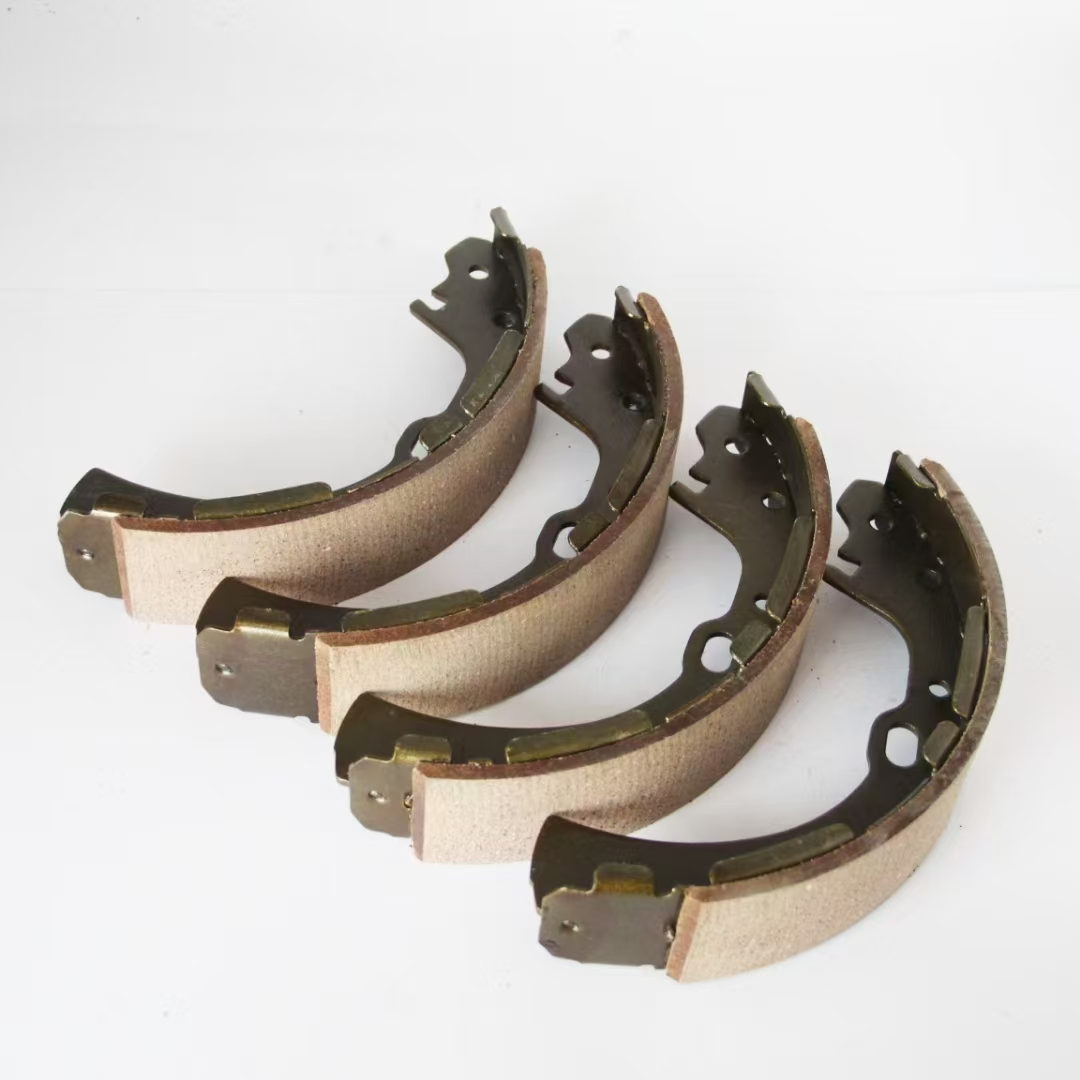
Match Brake Shoes to Your Truck’s Operational Profile
Severe-Duty vs. Linehaul Duty: Aligning Brake Shoes with Load, Terrain, and Stop Frequency
The process of choosing commercial truck brake shoes really comes down to figuring out what kind of work they'll be doing. For trucks used in tough jobs like city deliveries, garbage collection, or regional hauling around town, there's constant stopping, lots of weight onboard, and plenty of hills to climb. All this creates serious heat buildup over and over again, so these situations need brake material that can handle high temperatures without losing grip and recover quickly after getting hot. Line haul trucks tell a different story though. They spend most of their time cruising highways at steady speeds with only occasional brakes applied gently. What matters most here is how long the brakes last and whether they maintain good stopping power when things stay cool or warm but not scorching hot. Getting this wrong has actual problems. Regular brake shoes put into stop start service will get too hot and might lose anywhere from a third to half their ability to stop properly. Meanwhile, putting heavy duty brakes on trucks that mainly drive straight roads means those brakes might never get warm enough to work right, leading to poor performance and quicker wear all across the surface.
Axle-Specific Requirements: Front, Drive, and Trailer Brake Shoes and Thermal Load Distribution
The way braking energy gets spread out across different axles varies quite a bit, so brake shoe design needs to account for these differences too. Most of the stopping power goes to front or steer axles, around 70% actually, which means they need good thermal properties and ways to get rid of heat quickly. For drive axles, there's a real balancing act between friction levels to keep things stable when weights shift around, especially when hauling heavy loads or dealing with swaying trailers. Trailer axles face their own challenges since they need to resist fading over long downhill stretches. Smart manufacturers tackle all these issues with specific designs for each axle type. Steer axle shoes tend to have those thick, ribbed structures that help spread out the heat better. Meanwhile, drive and trailer components focus on how pressure distributes across surfaces and shape linings to avoid hot spots forming. Getting that drum contact right matters a lot. When the contact surface matches up properly thanks to good arc matching and sturdy backing plates, those pesky hotspots disappear. This makes brake parts last significantly longer than standard designs that don't consider axle specifics. Some tests show service life can jump anywhere from 20% to 40% improvement.
Evaluate Brake Shoe Material and Structural Design for Longevity
Durability stems from the synergy of friction chemistry and mechanical architecture. Evaluating both ensures brake shoes deliver predictable performance and measurable lifecycle value—not just initial stopping power.
Friction Material Formulations: Semi-Metallic, Low-Metallic, and Ceramic Brake Shoes Compared
What kind of friction material we use determines how brake shoes handle heat, weight loads, and how often they get used. Semi metallic blends mix steel fibers with graphite and high temperature resins to absorb heat better and resist fading. These last anywhere from 40k to over 100k kilometers even when pushed hard, though they do come with downsides like louder operation and quicker wear on brake drums. Ceramic options, especially those copper ceramic hybrids, run quietly and produce less dust while wearing down much slower than organic materials. Some shops report ceramic brakes lasting twice as long as standard ones, which is why many long haul truckers prefer them for keeping their vehicles running smoothly between maintenance stops. Low metallic or NAO shoes strike a balance between price and reduced noise vibrations but won't hold up well if exposed to constant high temperatures. When picking the right material, it's not just about what type looks good on paper but whether the actual performance matches what our trucks face day in and day out on the road.
Web Geometry, Mounting Integrity, and Drum Contact Uniformity—Key Engineering Drivers of Wear Life
The best friction compounds still break down early if they don't have proper structural backing. When manufacturers incorporate precise web geometry with internal ribs and heat dissipation channels, they see better thermal management and cut down on thermal cracks by around 40% according to field tests. How components mount is equally important for keeping everything stable against vibrations. Good mounting prevents those tiny movements that lead to edge wear and eventually cause linings to separate from their base. Getting drum contact right matters a lot too. The matching of arcs needs to be pretty accurate, something like within half a millimeter either way, so the whole lining surface makes contact evenly. If this isn't done properly, pressure builds up at either end of the component, creating hot spots where cracks start forming fast. All these carefully designed elements work together to make replacements happen less often, sometimes as much as 28% longer between services. That means fewer labor hours spent on maintenance, cheaper parts overall, and less time lost when equipment has to be taken offline for repairs.
Choose Reliable Brake Shoes: OEM Validation, Aftermarket Quality Assurance, and TCO Analysis
When it comes to reliability, what really matters is actual validation rather than just slick marketing talk. Original Equipment Manufacturer (OEM) brake shoes get built and put through rigorous testing that matches exactly what your truck needs for proper braking performance. They fit right because they're made to those exact specs, work well under heat stress, and won't void any factory safety protocols or warranties either. Looking at aftermarket alternatives? Focus on brands that have their products certified according to standards like SAE J661 or ISO 9001. Better yet, find companies willing to back up their stuff with solid warranty coverage. Stay clear of parts without proper certification marks. Poor quality control during manufacturing plus unknown friction properties can lead to brakes giving out sooner than expected, weaker stopping ability when needed most, and plenty of inconvenient breakdowns down the road.
A Total Cost of Ownership (TCO) lens reveals the true economics: premium brake shoes may carry a 15–20% higher upfront cost, but their extended service life delivers measurable ROI through:
- 30% greater heat-cycle endurance, delaying degradation-related performance loss
- 25–40% reduction in annual brake service labor hours, thanks to fewer changeouts
- 8 hours of avoided operational downtime per service event, preserving revenue-generating capacity
According to the 2023 Commercial Vehicle Efficiency Benchmark from ATRI, fleet managers who stick with certified parts that match their specific applications see around 18% less money spent on maintenance over three years. Before taking anyone's word for it though, check those specs against what actually happens on the road. Look at things like how hot components get during operation, where friction levels fall on their curves, and whether axle loads match what the vehicle experiences daily. Don't just take certification papers at face value either. Run them through proper databases such as SAE International or ISO's Certified Body Directory because fake docs are still floating around in the aftermarket world. Taking this careful approach means better braking performance when it matters most, plus getting more miles out of the whole braking system before needing replacements.
Frequently Asked Questions
What factors should I consider when selecting brake shoes for my truck?
Consider the truck's operational profile (e.g., city deliveries vs. highway hauling), axle-specific requirements, and the type of terrain and load conditions the vehicle will encounter.
What materials are commonly used in brake shoes?
Semi-metallic, low-metallic (NAO), and ceramic materials are commonly used. Each material offers specific benefits, such as heat resistance, noise reduction, and longevity.
Why is axle-specific brake shoe design important?
Differentiating brake shoe designs for front, drive, and trailer axles improves thermal management and enhances overall performance while reducing wear and tear.
What certifications and validations should I look for in reliable brake shoes?
Seek certifications like SAE J661 and ISO 9001, and verify the supplier or manufacturer through trusted databases to ensure quality and compliance.
Does investing in premium brake shoes pay off financially?
Yes, premium brake shoes offer extended service life and reduce maintenance costs, downtime, and labor hours, resulting in better Total Cost of Ownership (TCO).
Table of Contents
- Match Brake Shoes to Your Truck’s Operational Profile
- Evaluate Brake Shoe Material and Structural Design for Longevity
- Choose Reliable Brake Shoes: OEM Validation, Aftermarket Quality Assurance, and TCO Analysis
-
Frequently Asked Questions
- What factors should I consider when selecting brake shoes for my truck?
- What materials are commonly used in brake shoes?
- Why is axle-specific brake shoe design important?
- What certifications and validations should I look for in reliable brake shoes?
- Does investing in premium brake shoes pay off financially?