EN
EN



Why Brake Disc and Pad Material Compatibility Matters for Performance & Safety
Using mismatched brake discs and pads can really mess with stopping power and put drivers at risk. The problem happens when different materials don't work together properly. Friction levels become unpredictable, which means cars take longer to stop in emergencies sometimes up to 45% longer according to some studies. This creates dangerous situations too. When brakes get too hot from bad material combinations, they start to fail faster. A lot of drivers have experienced this firsthand, especially those who drive down steep mountains where about 7 out of 10 people notice their brake pedals feeling sluggish or unresponsive. Material problems also lead to annoying vibrations that make loud noises and warp the rotors over time, costing shops around 31 cents out of every dollar spent on early brake repairs. Thermal management goes sideways when certain pads generate more heat than the discs can handle. Take sintered pads paired with regular cast iron discs for instance these combos push temps past 650 degrees Celsius after just a few track days, causing cracks in the rotors. And it's not just about heat either. Soft organic pads eat away at high carbon discs pretty quickly, whereas ceramic pads tend to leave a glazed surface on cast iron. Getting the right materials matched up makes all the difference for consistent friction, proper heat distribution, and even wear across components. This attention to detail matters because brake failures aren't just inconvenient they're expensive too. According to Ponemon research from 2023, one major brake accident typically costs around $740,000.
Matching Brake Disc Types to Pad Materials: Cast Iron, Bi-Metal, and Composite Rotors
Cast Iron Brake Discs: Ideal for Organic and Low-Metallic Pads in Standard Applications
Most cars on the road today still rely on cast iron brake discs because they strike a good balance between performance, price, and how well they handle heat. What makes these discs work so well is their ability to soak up heat through their naturally porous structure, which also helps keep things quiet when stopping. They pair especially nicely with organic or low metal brake pads for regular driving around town. These softer pads don't scratch up the discs as much and provide that smooth feeling when pressing the pedal. The whole setup works great in heavy traffic where constant stopping happens all day long, since it reduces those annoying vibrations people feel through the steering wheel. Plus, components last longer because there's less harsh wear going on. For most drivers who spend time in cities, do some light towing now and then, or just want comfortable rides instead of racing track capabilities, this combination delivers reliable stopping power without creating mountains of brake dust everywhere.
Bi-Metal Brake Discs: Thermal Stability for Sintered and Ceramic Pads Under High-Heat Demands
Bi metal brake discs help overcome problems with heat buildup in performance vehicles. The center part made from aluminum alloy cuts down on weight around 15 to maybe even 20 percent compared to regular cast iron discs. Plus it conducts heat better so less stays on the surface where the brakes actually touch. Around this lighter core sits an iron ring that can handle much hotter conditions than standard materials, especially important when using those fancy sintered or ceramic brake pads that run hotter. When someone slams on the brakes repeatedly at high speeds or coming down hills, these discs keep working properly without losing grip. That prevents something called pad glazing which happens a lot with normal brake setups. Testing done in motorsports environments reveals these bi metal rotors stay stable even when temps hit over 600 degrees Celsius without getting warped. Makes them really good choice for race tracks or situations where heavy braking happens often. Works best when matched up with high friction GG rated brake pads too.
How Brake Disc Surface Design Affects Pad Interaction and Longevity
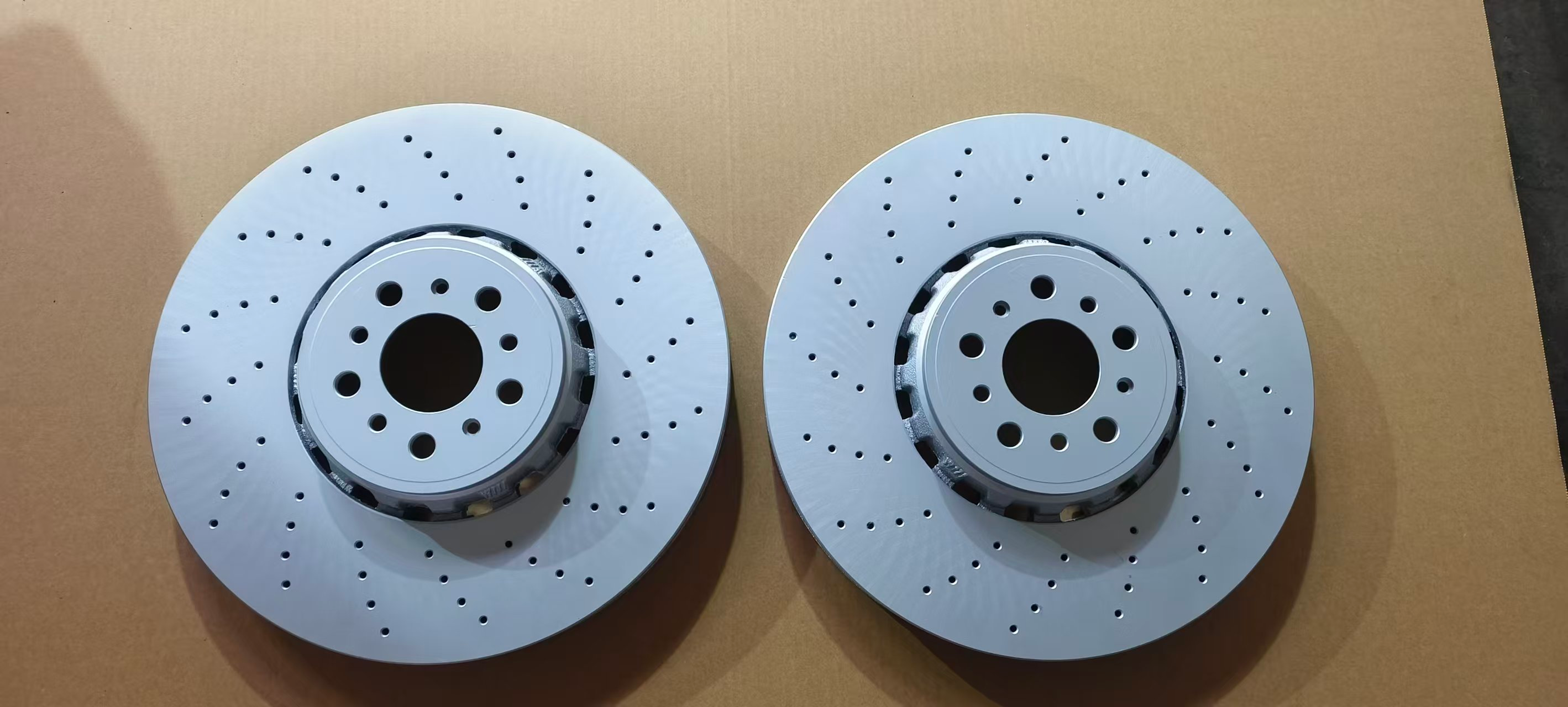
Slotted, Drilled, and Dimpled Brake Discs: Trade-offs in Gas Venting, Heat Transfer, and Pad Wear
The design of brake disc surfaces plays a big role in how pads behave, last, and handle heat because of how they manage gases and spread out heat. Take slotted discs for instance. They're great at getting rid of those gas buildups from worn pads, which helps prevent fading when it rains, but this comes at a cost. The slots actually wear down pads faster since there's more mechanical contact happening. Drilled discs work differently. They let heat escape better during intense braking situations, keeping temperatures stable, but drilling holes creates weak spots in the metal. These stress points make cracks more likely and also eat away at pads quicker over time. Dimpled designs strike a balance somewhere in between. They allow decent gas escape and reasonable heat dissipation without being so aggressive on the pads. Many mechanics report seeing longer pad life with these dimpled options in their shops. According to recent studies, pairing the wrong type of disc with certain pads can cut pad lifespan by around 30% (Automotive Research 2023). Check out the table below for a quick look at what each design brings to the table in terms of pros and cons.
| Design Feature | Gas Venting Effectiveness | Heat Transfer Efficiency | Pad Wear Impact |
|---|---|---|---|
| Slotted Discs | High | Moderate | Increased |
| Drilled Discs | Moderate | High | High |
| Dimpled Discs | Moderate | Moderate | Reduced |
Optimizing surface design ensures consistent performance and durability across real-world driving conditions.
Practical Selection Guidelines: Choosing the Right Brake Disc for Your Pad Type and Use Case
OEM vs. Aftermarket Alignment: Matching Brake Disc Specifications to Pad Friction Ratings (e.g., EE, FF, GG)
Matching brake disc specs to pad friction ratings (like EE, FF, GG) is essential since these ratings indicate how well pads handle heat and maintain consistent performance when pressure builds up. Original equipment manufacturers design their parts to work together seamlessly, so they meet those important FMVSS 105/135 safety requirements without question. When looking at aftermarket options though, drivers need to check compatibility charts provided by manufacturers before making purchases. Just because something fits doesn't mean it works properly together. Using high friction GG rated pads on regular discs can lead to problems down the road including faster wear rates, annoying vibrations through the steering wheel, and a mushy brake pedal response that makes stopping less predictable. The actual weight of the vehicle, how often it's driven, and what kind of loads it carries all play into finding the right combination of parts. Getting this right ensures not only legal compliance but also keeps brakes functioning reliably year after year instead of needing constant replacements.
Real-World Validation: When Track Testing Reveals Unexpected Brake Disc–Pad Interactions
Lab simulations cannot replicate the cumulative thermal, mechanical, and environmental stresses of real-world performance use. Track testing consistently uncovers unanticipated interactions—including:
- Fade patterns: Some material combinations lose efficiency only after consecutive high-heat cycles, not during isolated stops
- Wear asymmetry: Aggressive pad compounds may erode discs unevenly, especially on non-vented or composite rotors
- Noise generation: Resonant harmonics between specific disc surface geometries and pad formulations can trigger persistent squeal or groan
In 2023 independent track testing, ceramic pads with slotted discs demonstrated 24% less fade than sintered alternatives—but unexpectedly accelerated wear on composite rotors. Such findings underscore why real-world validation remains irreplaceable for performance-critical applications.
FAQ
Why is it important to match brake disc and pad materials?
Matching brake disc and pad materials ensures consistent friction, proper heat distribution, and even wear across components, ultimately enhancing stopping power and safety.
What issues arise from using mismatched brake discs and pads?
Mismatched materials can lead to unpredictable friction levels, longer stopping distances, excessive heat build-up, vibrations, loud noises, and rotor warping.
How do different brake disc surface designs affect pad longevity?
Surface designs like slotted, drilled, and dimpled discs have trade-offs in gas venting, heat transfer, and pad wear. For instance, slotted discs may increase pad wear due to more mechanical contact.
Table of Contents
- Why Brake Disc and Pad Material Compatibility Matters for Performance & Safety
- Matching Brake Disc Types to Pad Materials: Cast Iron, Bi-Metal, and Composite Rotors
- How Brake Disc Surface Design Affects Pad Interaction and Longevity
- Practical Selection Guidelines: Choosing the Right Brake Disc for Your Pad Type and Use Case
- FAQ