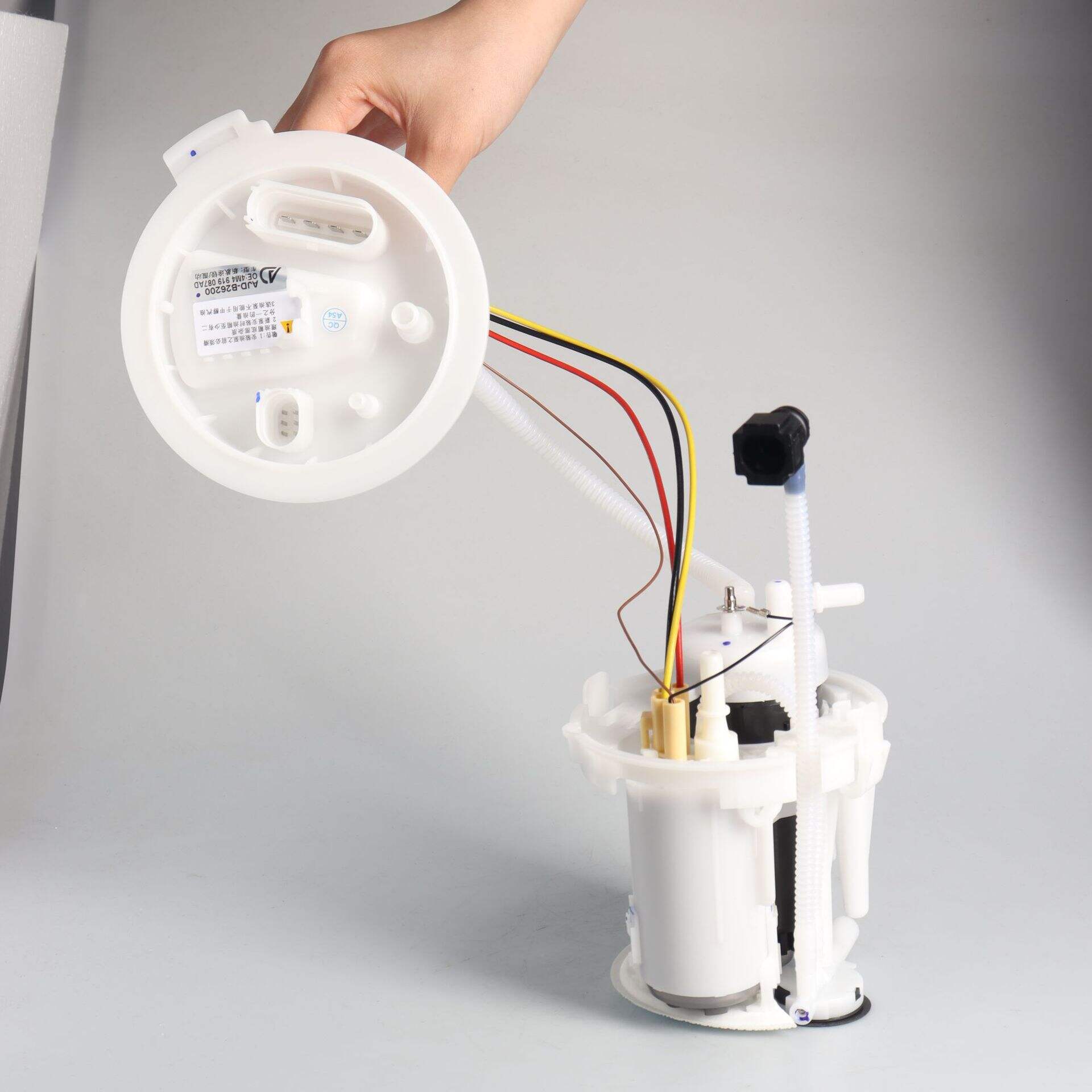
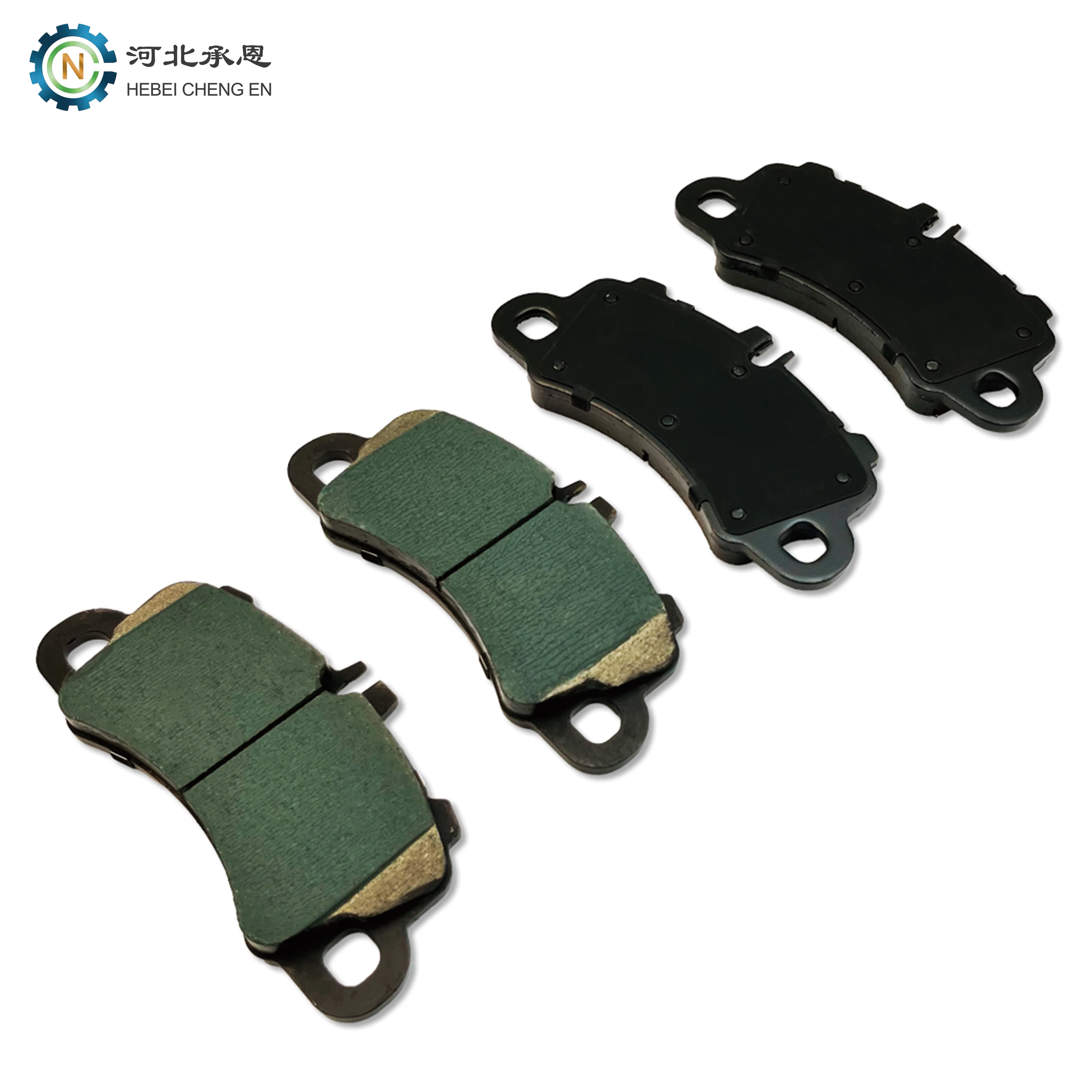
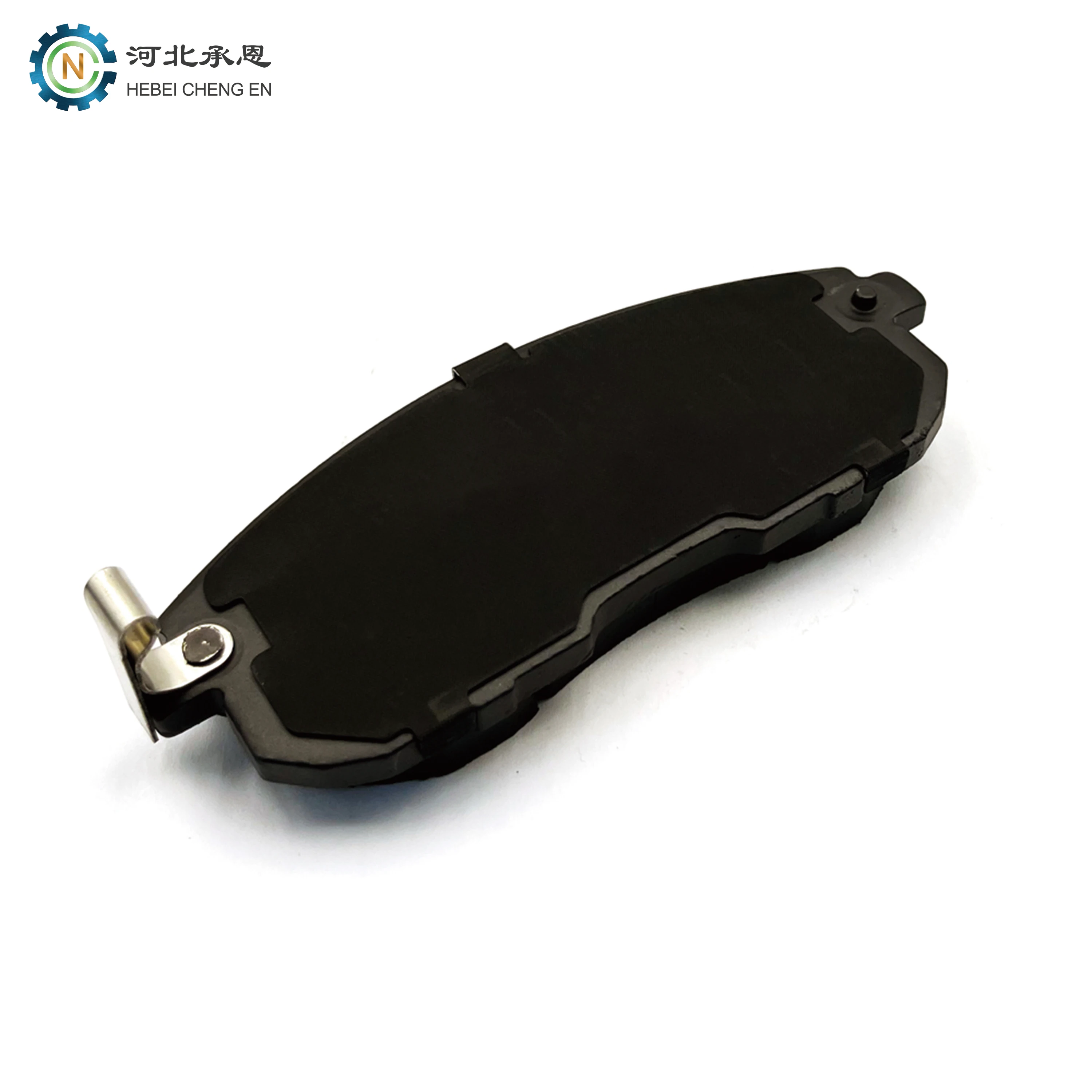
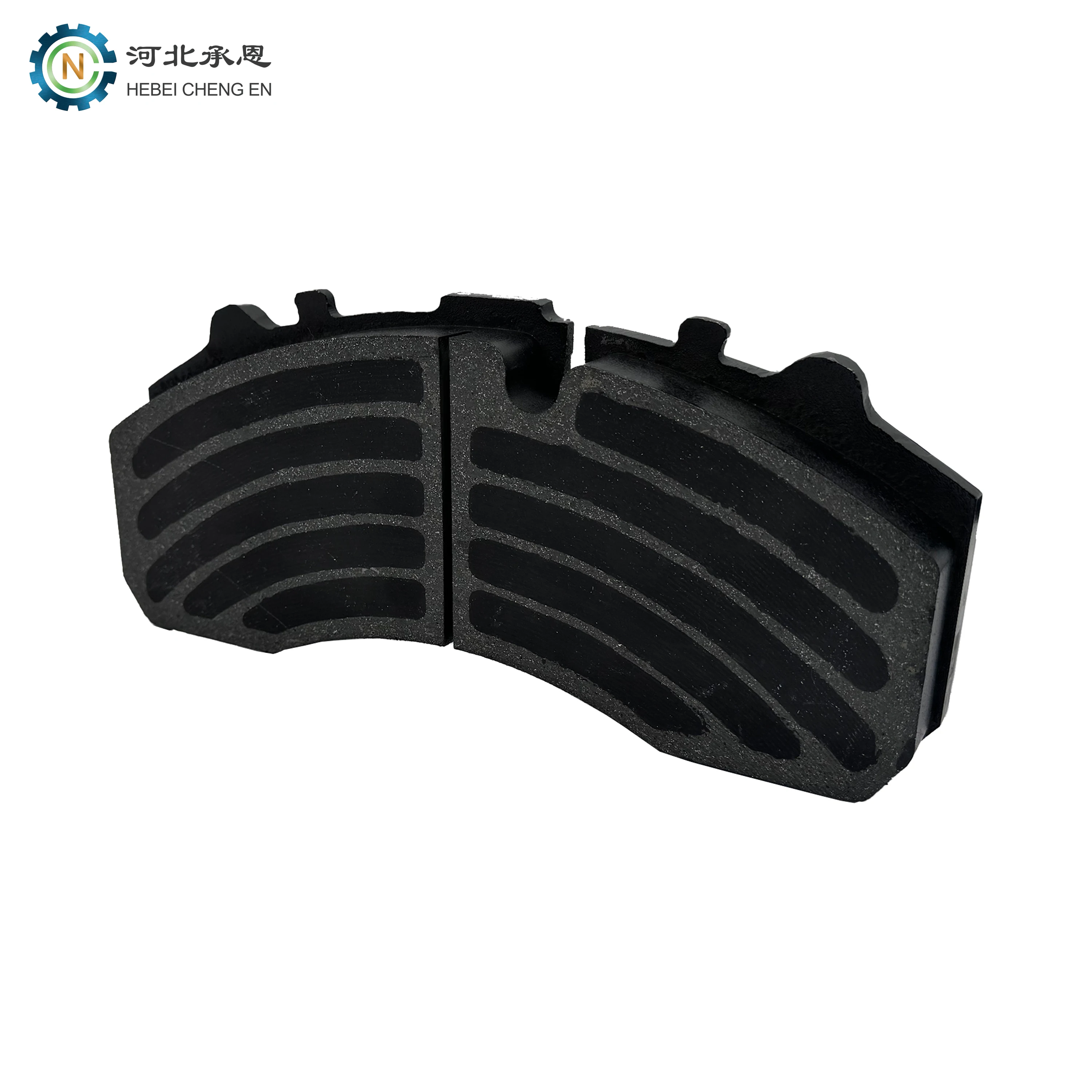
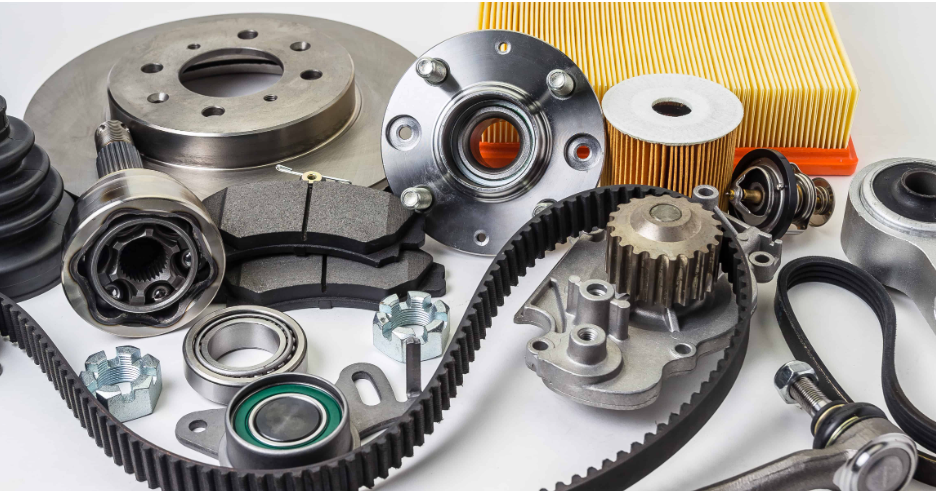
Heavy duty fuel pumps represent robust fuel delivery systems specifically engineered for commercial vehicles, industrial equipment, and severe service applications where reliability, durability, and consistent performance under extreme conditions are paramount. These pumps are designed to meet the demanding requirements of high-mileage trucking, construction machinery, agricultural equipment, and stationary power generation units. The engineering specifications for heavy duty fuel pumps typically include significantly enhanced flow rates, often ranging from 300 to over 1,000 liters per hour for large-displacement diesel engines, and the ability to maintain stable operating pressures between 4 and 7 bar, or even higher for modern common-rail systems. Construction features prioritize longevity and resilience, incorporating heavy-duty electric motors with advanced thermal management systems to dissipate heat generated during continuous operation, reinforced impellers and housings made from composite materials or coated metals to resist wear from fuel-borne contaminants and prevent cavitation damage, and robust bearing systems designed to withstand constant vibration. A critical differentiator is the use of specialized materials throughout the pump assembly, including nitrile, Viton, or other advanced synthetic rubbers for seals and diaphragms that are compatible with a wide range of fuels, including ultra-low sulfur diesel, biodiesel blends up to B100, and other alternative fuels, while also resisting degradation from ethanol, methanol, and various fuel additives. Performance validation for these pumps is exceptionally rigorous, involving endurance testing that simulates hundreds of thousands of kilometers of over-the-road service, including thermal shock cycles from -40°C to 120°C, high-pressure impulse cycling, and exposure to severe vibration profiles that replicate the harsh environment of a commercial vehicle chassis. A documented case from a long-haul fleet operator demonstrated that a switch to a premium heavy duty fuel pump model resulted in a 40% reduction in fuel system-related failures over a 500,000-kilometer operational period compared to standard-duty replacements, directly translating to lower maintenance costs and increased vehicle uptime. These pumps are available in various configurations, including in-tank modules that benefit from fuel submersion for cooling and lubrication, and inline models for specific engine bay packaging requirements. Key selection criteria for application engineers include not just flow and pressure specifications, but also the pump's electrical characteristics—such as current draw and compatibility with vehicle voltage systems—its filtration requirements, and its integration capability with existing engine control modules. For detailed technical specifications, application engineering support, and commercial information regarding our range of heavy duty fuel pumps, please contact our technical sales team with your specific engine model, vehicle application, and performance requirements for a tailored solution.

 EN
EN